








Updated on: 2026-01-02
Iron formulations have evolved to offer gentler digestion, higher absorption, and smarter delivery. This guide explains how to assess modern iron options, select the right form for your needs, and design a practical daily routine. You will learn what label details matter, how to pair nutrients for better uptake, and how to minimize stomach discomfort. Use this as a structured reference to shop, compare, and build a consistent plan.
Table of Contents
- Buyer’s Checklist
- Step-by-Step Guide to Advanced Iron Supplements
- FAQ
- Closing Thoughts & CTA
- About the Author
- FAQ: What makes chelated iron different?
- FAQ: Best time and pairing?
- FAQ: Combining with a multivitamin?
Choosing iron can be confusing, especially when labels highlight chelated forms, slow-release beads, and added cofactors. The term advanced iron supplements generally refers to formulations designed to improve absorption and comfort while simplifying routines. Below, you will find a precise checklist and a step-by-step process to evaluate forms, compare quality markers, and put a safe, sustainable plan into practice. This article avoids medical claims and focuses on practical selection and usage principles suitable for most adults unless otherwise advised by a qualified professional.
Buyer’s Checklist
Use this list to evaluate quality, tolerability, and practicality before you buy:
- Form and chemistry: Consider chelated options such as bisglycinate or amino acid chelates, as well as newer complexes like ferric maltol. These are often designed for gentler digestion and steady uptake.
- Elemental iron per serving: Distinguish total compound weight from actual elemental iron. A lower elemental dose in a highly absorbable form can perform better than a higher dose of a harsh salt.
- Absorption helpers: Look for vitamin C or supportive cofactors that aid uptake. Separate from competing minerals (calcium, zinc) and tannin-rich beverages for best results.
- Release profile: Assess whether you prefer sustained-release pellets or immediate-release capsules. Controlled delivery can reduce peaks that trigger sensitivity.
- Tolerability: Scan reviews for notes on nausea, constipation, or metallic aftertaste. Opt for capsules with gentle excipients and minimal fillers.
- Transparency and testing: Prioritize brands with third-party testing, clear Certificates of Analysis, and batch-level quality disclosures.
- Special diets: Confirm vegan or vegetarian status, allergen controls, and whether gelatin capsules are used. Review soy, dairy, and gluten statements.
- Format preferences: Capsules are convenient, while liquids offer flexible dosing. Choose a form that supports adherence to your routine.
- Dose flexibility: If you are sensitive, consider lower-dose capsules to allow “low and slow” titration. Monitor how you feel after meals and adjust timing.
- Price per mg of elemental iron: Compare true cost by dividing price by total elemental iron per bottle, not by capsule count alone. Use a comparison page to streamline analysis: Compare options.
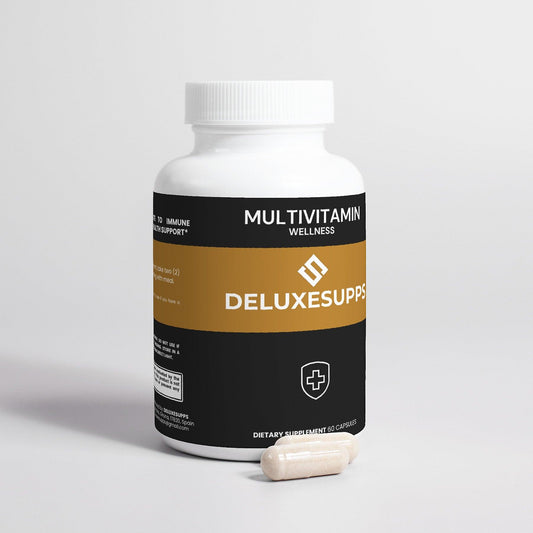
- Complementary support: If you prefer a single daily stack, consider a comprehensive multivitamin that avoids competing minerals at the same time of day. See the Complete Multivitamin for an example of balanced support.
- Sustainability: Review packaging, supply chain transparency, and responsible sourcing. Choose brands that state their standards clearly.
- Customer service and policies: Favor sellers with clear return and support policies, responsive communications, and well-documented product pages.
When in doubt, start conservatively, keep notes, and evaluate comfort and consistency over several weeks. For a curated approach, you can plan combinations that fit your schedule using the store’s bundle builder: Build a bundle. For additional education on nutrients and formats, visit the knowledge library: Learn more.
Step-by-Step Guide to advanced iron supplements
Follow these numbered actions to set a reliable daily routine:
- 1. Clarify your goal and context. Identify whether you are seeking gentle maintenance, targeted repletion under guidance, or a tolerance-friendly option. Keep goals realistic and measurable.
- 2. Choose the form first, then the dose. Select a chelated or modern complex known for comfort. Match elemental iron to your plan; smaller, more frequent servings can support steady intake with fewer side effects.
- 3. Pick a time you can keep. Morning or midday can work well. Avoid taking iron alongside high-calcium foods or caffeine, which can reduce uptake. Consistency is more important than a specific hour.
- 4. Pair with enhancers, separate from blockers. Vitamin C supports absorption. Leave a buffer from calcium supplements, dairy, tea, and coffee by at least a couple of hours when practical.
- 5. Start low and monitor comfort. Introduce one capsule with water for several days. If digestion feels fine, step up to the intended serving. If not, reduce to the prior level and reassess.
- 6. Keep a brief log. Note timing, meals, and any sensations such as nausea or constipation. A simple log helps you refine timing, food pairings, and serving size.
- 7. Align with your broader stack. If you use a multivitamin, place iron and competing minerals at opposite ends of the day. This avoids nutrient competition and simplifies adherence.
- 8. Reassess every few weeks. Evaluate how the routine fits your schedule and how your body responds. Adjust only one factor at a time to isolate cause and effect.
- 9. Store properly. Keep capsules sealed, cool, and dry. Avoid humid environments that can degrade potency or texture.
- 10. Seek qualified guidance when needed. Consult a healthcare professional for personalized dosing, lab interpretation, or if you experience persistent discomfort.
With a measured approach and sensible timing, most adults can establish a steady routine that prioritizes comfort and consistency. If you prefer an all-in-one foundation, a balanced multivitamin taken at the opposite time of day can support nutrient coverage without crowding your iron window.
FAQ
What makes chelated iron different from standard salts?
Chelated iron binds the mineral to amino acids, often improving solubility and stomach comfort compared with basic salts such as ferrous sulfate. This structure can promote steadier uptake and fewer gastrointestinal complaints in sensitive individuals. While responses vary, many users prefer chelated or newer complexes for their gentler profile and flexible dosing. Always evaluate elemental iron content and start at a level that suits your tolerance.
When is the best time to take iron, and what should I pair it with?
Choose a time you can repeat daily, then shape your meal and beverage plan around it. Vitamin C is a helpful companion, while calcium, tea, and coffee can interfere with uptake. Many people take iron away from dairy and caffeine by a couple of hours. If you experience sensitivity on an empty stomach, try a light snack that does not include high-calcium foods, and adjust as needed.
Can I combine iron with a multivitamin?
Yes, but coordinate timing. Place iron and competing minerals such as calcium or zinc at different times of day to avoid absorption conflicts. A multivitamin can offer supportive vitamins and trace minerals, while iron is best scheduled in its own window for reliable uptake. If you want a single, coordinated approach, consider pairing a separate iron routine with a balanced base formula like the Complete Multivitamin.
Closing Thoughts & CTA
Modern iron formulations aim to balance bioavailability with comfort, making steady routines easier to maintain. If you decide to use advanced iron supplements, focus on form, elemental dose, timing, and tolerability. Evaluate labels, start conservatively, and adjust one factor at a time. To compare product features and build a plan that fits your schedule, explore the store resources and tools, including side-by-side comparisons and bundle options.
About the Author
Deluxesupps Deluxesupps is a content specialist focused on evidence-informed nutrition, product education, and routine design. Our team translates complex supplement concepts into practical, shopper-friendly guidance. We aim to help readers compare options with clarity and confidence. Thank you for reading.
The content in this blog post is intended for general information purposes only. It should not be considered as professional, medical, or legal advice. For specific guidance related to your situation, please consult a qualified professional. The store does not assume responsibility for any decisions made based on this information.