










Updated on: 2025-12-17
Choosing the right calcium and vitamin d supplements can feel complex. This guide clarifies forms, serving sizes, quality standards, and label cues so you can shop with confidence. Learn practical steps to review ingredients, assess third‑party testing, and avoid common purchasing mistakes. Use the checklists, myths vs. facts, and Q&A to create a smart, individualized approach that aligns with your routine and preferences.
- 1. Introduction
- 2. Product Spotlight: calcium and vitamin d supplements
- 3. Myths vs. Facts
- 4. Frequently Asked Questions
- 5. Final Recommendations
- 6. Q&A Section
- 7. About the Author
If you have ever stood in an aisle or scrolled through a catalog trying to tell one mineral-and-D formula from another, you are not alone. Labels differ by form, strength, and added ingredients, and the best option depends on your routine, diet, and preferences. In this article, you will learn how to compare forms (such as carbonate vs. citrate and D3 vs. D2), how to read serving sizes and daily value percentages, what third‑party testing and quality cues to look for, and how to build a simple checklist for consistent use. The aim is clarity, not hype—so you can make a measured, confident decision that fits your budget and your daily habits.
Product Spotlight: calcium and vitamin d supplements
When evaluating combination formulas, start with the basics: form, dose, and quality standards. For the mineral, common forms include carbonate and citrate. Carbonate typically provides a higher proportion of elemental mineral per tablet, which can reduce tablet count. Citrate is popular among those who prefer a gentler option and flexible timing. For vitamin D, labels usually indicate D3 (cholecalciferol) or D2 (ergocalciferol). Both are widely used in supplements; many shoppers choose D3 based on availability and label clarity.
Serving size is the next differentiator. Some products list one tablet as a serving, while others list two or more. Always check the percent daily value (%DV) per serving, not per tablet, when comparing across brands. If a label lists a proprietary blend, consider whether exact amounts are disclosed. Transparent labels that display the milligrams or international units for each ingredient help you make a direct comparison.
Quality signals matter. Look for evidence of third‑party testing, Good Manufacturing Practice (GMP) compliance, and batch-level lot codes. Capsules, tablets, powders, and gummies each have advantages. Tablets are compact and often cost‑effective. Capsules may use fewer excipients. Powders allow flexible serving sizes and mixing. Gummies can improve convenience but may add sugars and typically offer lower mineral content per piece.
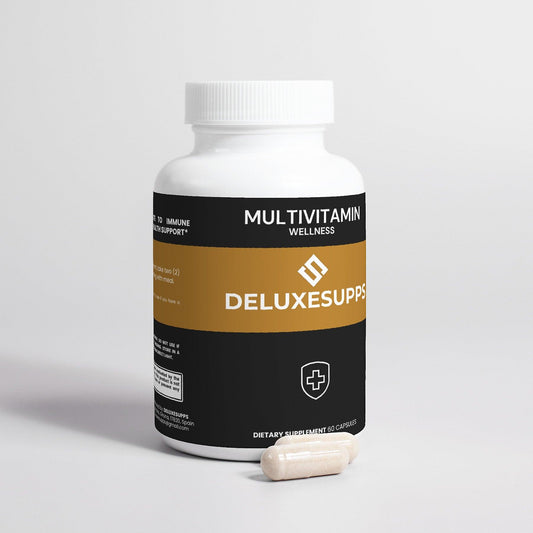
If you prefer a comprehensive routine in a single daily product, a high‑quality multivitamin can offer a balanced baseline. Explore options such as the Complete Multivitamin for a streamlined approach to essential nutrients. For side‑by‑side detail on forms and key features, you can also compare options and then build a bundle that fits your routine. If you prefer to browse the full catalog to match formats and serving sizes, visit all products.
Myths vs. Facts
-
Myth: More is always better.
Fact: The best choice is an appropriate serving size that matches your diet and professional guidance. Overshooting labels does not improve product quality or suitability.
-
Myth: All forms are identical.
Fact: Mineral forms differ in elemental content per tablet and excipient profile. D3 and D2 are distinct forms of vitamin D. Choose based on label clarity, format preference, and consistency.
-
Myth: One product fits every schedule.
Fact: Tablets, capsules, powders, and gummies suit different routines. Select a format you can use reliably and check serving size to match your plan.
-
Myth: Food sources make supplements irrelevant.
Fact: Many people meet needs through varied meals and routine sun exposure. Others prefer a supplement for convenience or dietary constraints. The better path is the one you can maintain consistently.
-
Myth: Labels are all marketing.
Fact: Well‑designed labels include exact amounts, daily value percentages, and third‑party testing statements. Use these data points to compare products objectively.
-
Myth: Timing guarantees a specific effect.
Fact: Timing is often a matter of routine and comfort. Consistency and adherence typically matter more than micro‑timing differences for most users.
Frequently Asked Questions
- Which form should I choose, carbonate or citrate? Choose based on tablet size preference, serving count, and comfort. Both are widely used; check elemental content per serving and format you can sustain.
- Is D3 different from D2? Yes, they are distinct forms. Many formulas use D3 due to wide availability; review labels and choose the form that suits your plan.
- Do gummies work as well as tablets? Gummies can improve convenience but may provide lower mineral amounts per piece. Consider total daily amount and added sugars.
- Can I take these with other supplements? Coordinate timing and total amounts to avoid duplication. Review labels and consult a professional if you use multiple products.
- How do I store them? Store in a cool, dry place away from heat and moisture, and follow label instructions.
Final Recommendations
- Identify your baseline. Note how much mineral and vitamin D you usually obtain from diet and routine sun exposure. Use that context to guide selection.
- Decide on format. Tablets are compact, capsules are minimalistic, powders are flexible, and gummies are convenient. Choose the format you will use every day.
- Read the full serving size. Compare daily value percentages per serving, not per tablet or per gummy.
- Check transparency. Prefer products that disclose exact amounts, forms (carbonate/citrate; D3/D2), and provide lot numbers and third‑party testing statements.
- Avoid duplication. If you use a multivitamin or fortified foods, add up totals to keep your plan balanced.
- Start simple. Begin with a straightforward formula and adjust only if needed. Keep a short log to track how consistently you take it.
- Review interactions. If you use prescriptions or have specific dietary needs, consult a qualified professional before changing your routine.
- Streamline your cart. To simplify, you can build a bundle, use the compare options page for clarity, and browse all to match formats and serving sizes. For a one‑and‑done approach, consider a balanced base such as the Complete Multivitamin.
Q&A Section
How do I read a label to compare two mineral‑plus‑D products?
Scan for four items: the serving size, the elemental amount of the mineral, the form of vitamin D, and the percent daily value. Confirm whether the daily value refers to one or two tablets. Review the other ingredients list for excipients if you prefer minimal formulations. Finally, look for batch numbers and testing statements that indicate robust quality control.
What is the practical difference between carbonate and citrate?
Carbonate often delivers more elemental mineral per tablet, which can reduce tablet count. Citrate is popular with shoppers who want a lighter option or flexible timing. Your choice can be as simple as deciding which tablet size and serving schedule you can follow every day. Both forms are established in the supplement marketplace.
Can I take these nutrients alongside a multivitamin?
Yes, many people coordinate a multivitamin with a separate mineral‑plus‑D product. Add the label amounts together to avoid unintentionally exceeding your intended daily totals. If you are uncertain about totals or schedules, ask a qualified professional to review your plan. Clarity prevents duplication and keeps your routine simple.
Are powders or gummies a good alternative to tablets?
They can be, depending on your preferences. Powders offer flexible serving sizes and are easy to mix into smoothies or water. Gummies are convenient but may include sugars and generally provide smaller amounts per piece. If you pick gummies, check how many pieces equal a full serving and consider total cost per day.
About the Author Section
Deluxesupps Deluxesupps
Deluxesupps Deluxesupps curates practical, product‑focused guidance on nutrition essentials, label literacy, and smart shopping. Our editorial team specializes in translating complex supplement details into clear, everyday decisions without hype. Thank you for reading, and we hope this guide helps you choose with confidence.
The content in this blog post is intended for general information purposes only. It should not be considered as professional, medical, or legal advice. For specific guidance related to your situation, please consult a qualified professional. The store does not assume responsibility for any decisions made based on this information.