




Updated on: 2025-12-19
This guide explains how to assess ingredient lists, what advantages plant-derived actives can offer, and how to select formulas that align with your values. You will learn key evaluation steps, label-reading shortcuts, and sustainability cues to prioritize. The article also outlines balanced considerations about safety, performance, and transparency to support confident choices. Practical recommendations and internal resources are included to help you build a resilient routine.
Table of Contents
- 1. Introduction
- 2. Benefits & Reasons
- 3. FAQ
- 4. Final Thoughts & Recommendations
- 5. About the Author
Introduction Paragraph: natural ingredients in beauty products
Consumers today seek clarity, simplicity, and accountability in personal care. This shift places a spotlight on plant-based actives, responsibly sourced oils, clays, and bio-fermented compounds that support skin’s balance without unnecessary complexity. The goal of this article is to help you navigate labels with ease, understand performance trade-offs, and select formulas that align with your skin goals and values. You will find a structured view of benefits, a straightforward process for reading ingredient lists, and a realistic perspective on safety and efficacy. Together, these insights enable better decisions, fewer disappointing purchases, and more consistent results over time. The approach is practical, evidence-informed, and focused on everyday use.
Benefits & Reasons
Skin compatibility and gentle formulation
Many botanical extracts and lipid-rich carriers are designed to respect the skin barrier. Seed oils with balanced fatty acid profiles, humectants from natural sources, and mild surfactants can cleanse and moisturize without aggressive disruption. This alignment with skin physiology often translates to products that feel comfortable, absorb well, and layer cleanly under sunscreen and makeup. Gentle formulation also helps reduce the likelihood of over-exfoliation when routines include acids or retinoids. The result is a focus on balance: steady hydration, a calm sensation, and fewer reasons to overcorrect with additional products.
Transparent sourcing and sustainability
Responsible brands describe where key materials come from and how they are processed. Cold-pressing, steam distillation, and low-impact extraction methods can preserve active compounds while limiting environmental strain. When companies share traceability data and supplier standards, you gain a clearer picture of quality and ethics. Sustainable packaging and concentrated formats further reduce waste by lowering transport volume and extending product life. Over time, these choices support a lighter footprint while still delivering a refined experience.
Efficacy supported by tradition and testing
Plants have long histories of use in topical care. Today, many formulators combine this tradition with modern testing, such as stability checks, irritation screening, and controlled performance evaluations. Standardized extracts help maintain consistency across batches, which makes results more predictable. While not every botanical will suit every skin type, careful formulation and measured concentrations can support smoother texture, balanced hydration, and an even-looking tone. Consumers can look for brands that publish ingredient rationales and summarize test protocols to promote informed choices.
Shorter ingredient lists and label literacy
Concise labels make it easier to identify what matters. Start by scanning the first five ingredients, since they usually represent the bulk of the formula. Note the presence of carrier oils, humectants, and emulsifiers, and ensure that any fragrance disclosures appear. Fewer fillers and redundant additives can mean more room for actives that justify the product’s purpose. If a label includes scientific names (INCI), consider cross-referencing those with common names to understand the function of each component. This habit removes guesswork and increases confidence at checkout.
Holistic routines that connect inside and out
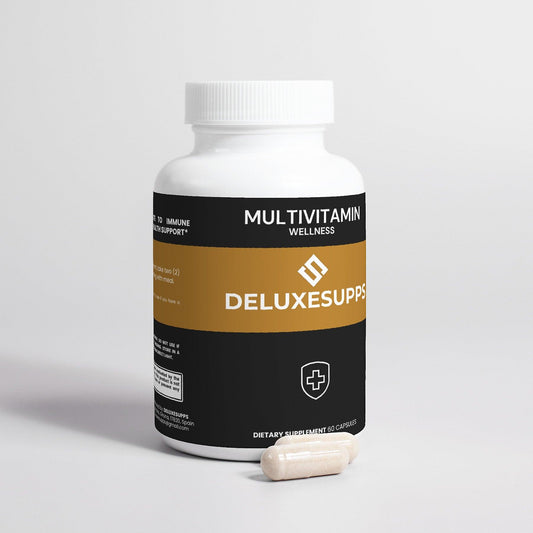
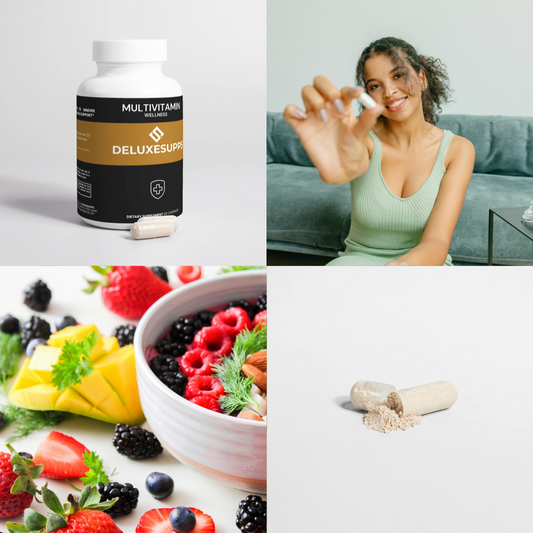
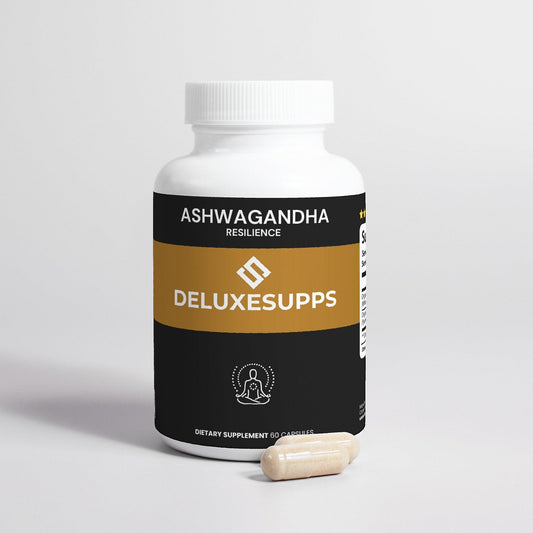
Topical care performs best within an overall wellness framework. Dietary balance, sleep quality, and stress management can all influence the look and feel of skin. Supportive nutrition may complement a minimal, plant-forward routine. For example, a comprehensive daily formula like the Complete Multivitamin provides a convenient baseline for general wellness. Traditional adaptogens, such as the Ashwagandha supplement, are commonly explored for balance in daily routines. Functional fungi blends, including the Mushroom Complex, are also popular for a holistic approach. Together with a gentle cleanser, a well-formulated moisturizer, and regular sunscreen, these choices support a steady, sustainable regimen.
FAQ
How can I evaluate a product label quickly?
Begin with purpose. Match the product type to your immediate need, such as cleansing, hydrating, or targeted care. Next, scan the first five ingredients to assess base quality and concentration. Look for clear naming, minimal redundancy, and stated functions where possible. Check for potential irritants or personal sensitivities. Finally, review usage directions to see if the application fits your routine. This checklist helps you filter options in minutes.
Are plant-based formulas always safer?
No single category is always safer. Safety depends on concentration, purity, and overall formula design. Many plant-derived materials are mild and well tolerated, but any ingredient can cause sensitivity for some people. Patch testing before broader use is a sensible practice. Favor brands that disclose processing methods, perform irritation assessments, and provide clear instructions. Balance enthusiasm with thoughtful evaluation and you will make sound selections.
What role do certifications play?
Certifications can signal alignment with standards for sourcing, processing, and packaging. They offer a useful starting point for due diligence, but they should not replace label reading or personal testing. Consider certifications as a layer of reassurance rather than a guarantee of performance. Review the certifying body’s criteria, understand what is covered, and rely on your evaluation process to confirm product fit.
Final Thoughts & Recommendations
Thoughtful choices begin with clarity. A calm routine, concise labels, and consistent habits will outpace trends over time. Prioritize formulas that respect the skin barrier, share sourcing details, and publish ingredient rationales. When you want to go deeper, explore practical education on Suppspedia for additional insights. For your next purchase, apply the quick label scan, confirm usage directions, and proceed with steady testing. With this approach, you can evaluate products centered on natural ingredients in beauty products with confidence, while maintaining a balanced, sustainable routine.
About the Author
Deluxesupps Deluxesupps is a content strategist focused on ingredient transparency, product education, and routine design. Their work centers on clear guidance that helps readers make informed, value-aligned choices. They specialize in wellness-focused commerce and evidence-informed content. Thank you for reading and taking a thoughtful approach to your care.
The content in this blog post is intended for general information purposes only. It should not be considered as professional, medical, or legal advice. For specific guidance related to your situation, please consult a qualified professional. The store does not assume responsibility for any decisions made based on this information.