








Updated on: 2025-12-30
This article offers an objective overview of how eye movement desensitization and reprocessing is assessed for outcomes, what influences results, and how to prepare for sessions. You will learn what the method involves, common misunderstandings, and practical steps to support your wellness plan. The guidance emphasizes evidence-informed thinking, clinician collaboration, and sustainable self-care. It also includes a concise product spotlight to help you build a steady routine.
Table of Contents
- Introduction
- Product Spotlight
- Effectiveness Overview
- Myths vs. Facts
- Frequently Asked Questions
- Final Recommendations
- Q&A Section
- About the Author Section
- Author Bio
Introduction
People often ask how to evaluate EMDR therapy effectiveness in a clear, practical way. This article explains how the approach is typically structured, what markers can indicate progress, and how to think about outcome measures without overpromising results. You will find an unbiased guide to session flow, preparation habits that support consistency, and indicators you can discuss with a licensed professional. The goal is to help you make informed choices and to organize your wellness plan with calm, steady steps.
Product Spotlight
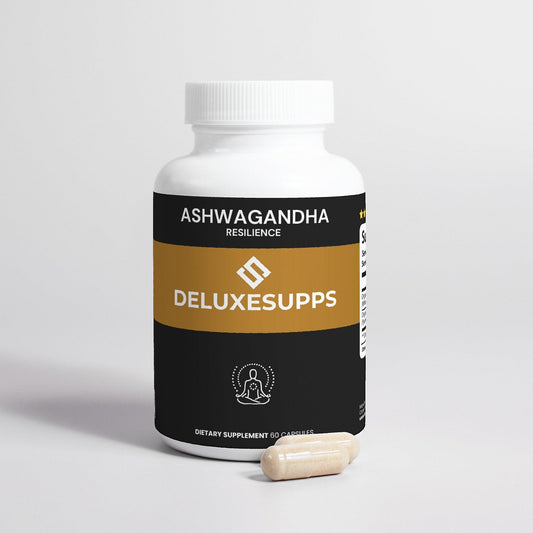
A consistent daily routine can make it easier to show up to sessions with focus and composure. As part of a general well-being plan, many people prefer simple, steady habits that fit their schedule. One option some customers choose for everyday balance is the Ashwagandha supplement. It is designed for routine use and pairs well with mindful practices such as journaling, breath work, and structured sleep hygiene. It is not a treatment and does not replace clinician guidance, but it can help establish a predictable self-care rhythm around your appointments.
To browse additional wellness essentials that can support a calm, organized day, see the full catalog on All collections. If you want extra reading on mindset skills, visit our Mindset articles for practical frameworks you can apply between sessions.
Understanding EMDR therapy effectiveness
Eye movement desensitization and reprocessing is a structured, phase-based approach used by licensed mental health professionals. A typical protocol includes history taking, preparation, assessment, desensitization with bilateral stimulation, installation, body scan, closure, and reevaluation. The objective is to help the brain process distressing memories more adaptively. Sessions are goal-directed, and progress is monitored using agreed markers such as distress ratings, functional milestones, and session notes.
When people consider outcomes, three elements often shape the trajectory: readiness, protocol fidelity, and after-session integration. Readiness refers to stability, coping skills, and a clear treatment plan. Protocol fidelity means the clinician follows the structured steps and adapts responsibly. Integration covers how clients practice regulation skills, maintain sleep routines, and track changes in triggers or daily functioning. These factors do not promise results, but they provide a practical framework to discuss with your provider.
Outcome discussion usually focuses on patterns rather than single moments. For example, some individuals note reduced reactivity to specific cues or a smoother return to baseline after stress. Others report improved ability to hold complex feelings without shutting down. Clinicians often observe shifts in narratives, less avoidance, and more flexible responses in difficult situations. Such changes are typically assessed over multiple sessions, using consistent language and simple scales to avoid confusion.
It is also helpful to align expectations. Progress can be nonlinear, and plateaus are common during deeper processing. A pause to reinforce grounding skills is often part of responsible care, not a setback. Collaborate with your clinician on a plan for day-of-session routines, post-session decompression, and communication in case of heightened sensitivity. Clarity reduces uncertainty and makes it easier to evaluate your path with calm attention.
For additional plain-language explanations of core wellness concepts that complement therapy, explore Suppspedia. You will find concise definitions that can make session debriefs clearer and more productive.
Myths vs. Facts
- Myth: It works instantly for everyone. Fact: Response varies. Responsible care tracks progress over time and adjusts pacing to stability.
- Myth: It only involves eye movements. Fact: Bilateral stimulation can include tactile or auditory cues within a structured protocol.
- Myth: You must relive trauma in detail. Fact: The method focuses on targeted memories and associated beliefs, with attention to safety and regulation.
- Myth: It replaces all other supports. Fact: It is often paired with skills training, lifestyle routines, and steady follow-up with a clinician.
- Myth: If memories fade, the work is done. Fact: Adaptive change also involves beliefs, bodily cues, and day-to-day behavior.
- Myth: More intensity equals faster results. Fact: Sustainable pacing and preparation often lead to steadier gains.
Frequently Asked Questions
- How long does a session take? Session length is typically set by the provider’s practice standards. Many plans include a brief check-in, focused processing, and a calm close.
- What should I do before and after? Hydration, simple meals, restful sleep, and a light schedule help. Afterward, use grounding skills, gentle movement, and journaling to track changes.
- How do I know if I am progressing? Look for reduced distress around targets, improved regulation, and more flexible responses in everyday situations. Review notes with your clinician.
- Can I combine this with other methods? Many people use complementary skills such as breathing practices and mindful routines. Coordinate any plan with your provider.
Final Recommendations
Keep your process simple and steady. Agree on goals, track a few clear markers, and review them at predictable intervals. Identify two to three regulation techniques that work for you and practice them daily. Use a calm, brief post-session routine that you can repeat each week.
Build a modest self-care toolkit to support consistency. If you prefer structured supplements for everyday routine, the Ashwagandha supplement can fit into a balanced plan. For additional ideas, browse All collections and read practice-oriented tips in our Mindset articles and Suppspedia. This information is educational and is not a substitute for professional advice. Consult a licensed clinician for personalized guidance.
When evaluating EMDR therapy effectiveness, consider readiness, protocol structure, and integration habits. Maintain patience, ask clear questions, and give yourself time to notice subtle improvements in daily life. Steady effort often supports meaningful, sustainable change.
Q&A Section
How should I set goals for this approach?
Choose goals that are concrete, observable, and time-agnostic. Examples include “I can drive past the hospital without pulling over,” or “I can sleep through the night at least four times per week.” Share the goals with your clinician, decide how to measure them, and revisit them every few sessions. Simple targets keep the plan focused and help both parties evaluate progress.
What if distress rises between sessions?
Create a written plan before you begin. Include two grounding skills, one supportive contact, and one safe activity. If distress rises, follow the plan first, then record what helped. Bring those notes to your next session. If you have crisis concerns, follow your provider’s instructions for urgent contact.
How can I prepare my environment?
Keep a calm corner ready with water, a journal, and a light blanket. Silence notifications during and after the session. If possible, schedule a short walk afterward. Environmental cues can anchor regulation skills and reduce decision fatigue on processing days.
About the Author Section
Deluxesupps Deluxesupps
Deluxesupps Deluxesupps covers practical wellness, mindset routines, and product guidance that supports everyday balance. Our editorial approach is clear, responsible, and focused on simple habits you can keep. Thank you for reading, and we wish you steady progress on your wellness journey.
The content in this blog post is intended for general information purposes only. It should not be considered as professional, medical, or legal advice. For specific guidance related to your situation, please consult a qualified professional. The store does not assume responsibility for any decisions made based on this information.