





Updated on: 2025-12-30
This guide explains how to choose and use supplements and foods that deliver high absorbable nutrients for daily wellness. You will learn practical ways to improve uptake through pairing, timing, and preparation. The article also outlines quality signals, simple meal strategies, and a clear action plan to support balanced intake. It avoids hype and focuses on proven, everyday practices you can apply consistently.
- Practical Guide: high absorbable nutrients in daily routines
- Key Advantages
- Summary & Next Steps
- Q&A Section
Efficient nutrition is not only about what you consume. It is also about what your body can use. The most effective plans focus on bioavailable nutrition, which refers to how well vitamins, minerals, and other compounds are absorbed and utilized. Small changes in food pairing, timing, and preparation can make a meaningful difference. Consistent habits often outperform occasional, complex protocols.
This article provides a structured approach to selecting body-ready forms of key nutrients, organizing meals for better uptake, and reading labels with confidence. It also covers quality cues and practical steps that fit a normal schedule. Use it as a reference to refine daily routines and to ask better questions when comparing products.
Practical Guide: high absorbable nutrients in daily routines
Step 1: Choose body-ready forms
Different forms of the same nutrient can behave differently. Look for formats with a track record of reliable uptake, such as methylated B vitamins, chelated minerals (for example, glycinate or bisglycinate), and emulsified fat-soluble vitamins. For omega sources, triglyceride or phospholipid forms can support better assimilation than some alternatives. Whole-food concentrates and standardized extracts may also help by providing co-factors naturally found with the nutrient. Read labels carefully and favor simple formulas that state forms clearly and avoid unnecessary fillers.
Step 2: Pair for synergy
Simple pairings can support absorption. Vitamin C can aid non-heme iron uptake from plants. Vitamin D helps the body manage calcium balance. Dietary fat improves the absorption of fat-soluble vitamins A, D, E, and K. Magnesium and vitamin B6 often work well together in energy metabolism pathways. When building meals, include a modest fat source with fat-soluble vitamins and a source of vitamin C, such as citrus or peppers, alongside plant-based iron.
Step 3: Time your intake
Timing matters. Some minerals compete for the same transporters in the gut. To avoid competition, take iron and calcium at separate times. Fat-soluble vitamins can be taken with a meal that includes healthy fats. Water-soluble vitamins, such as vitamin C and most B vitamins, are often suitable with breakfast or lunch. Divide larger daily amounts into two or three smaller servings to maintain steady exposure. A consistent routine supports predictable results and reduces the risk of missing doses.
Step 4: Support the gut environment
Uptake depends on digestive health. Stay hydrated, as fluids help nutrient transport. Include fiber-rich foods for regularity while balancing with fermented foods or prebiotic fibers that support a healthy gut microbiome. If you use probiotics, take them away from very hot beverages. Chew food thoroughly to aid mechanical breakdown. Moderate alcohol intake, and consider spacing coffee away from iron-rich meals to avoid interference.
Step 5: Use preparation methods that protect nutrients
Cooking can affect nutrient density. Quick steaming often preserves water-soluble vitamins better than prolonged boiling. If boiling is necessary, use the cooking liquid in soups to reclaim dissolved nutrients. Lightly sautéing vegetables with oil improves absorption of carotenoids. For grains and legumes, soaking and rinsing can reduce phytates, which may otherwise bind minerals. Freezing produce shortly after harvest can preserve micronutrients well.
Step 6: Choose tested products and simple stacks
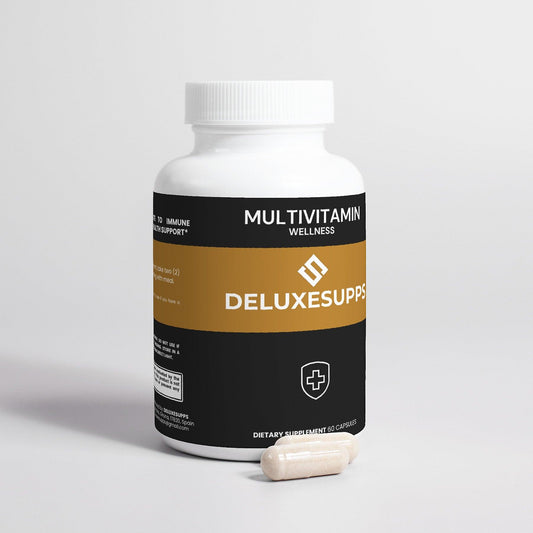
Prioritize brands that disclose form, dose, and testing standards. Look for third-party testing and transparent sourcing. If you prefer an all-in-one approach, a balanced multivitamin can simplify routine design. Consider reviewing options like the Complete Multivitamin and compare formats using the Compare page. To build a focused plan that suits your day, explore curated bundles with the Create Your Bundle tool.
Step 7: Align food-first with smart supplementation
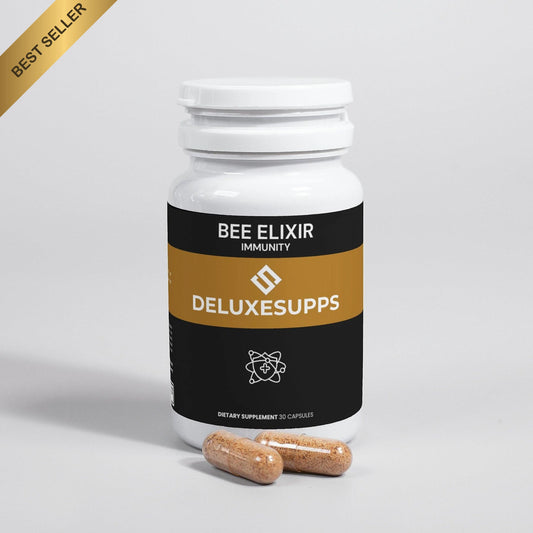
A food-first base supports broad micronutrient coverage. Add supplements to close gaps, especially for nutrients with higher daily needs or limited food sources. For example, consider a bioavailable omega source, a mineral chelate if intake is low, or a targeted botanical. For a convenient whole-food concentrate, review Bee Pearl as part of a balanced plan. Keep stacks minimal, monitor how you feel, and adjust gradually.
Key Advantages
- Better use of what you consume: Body-ready forms and smart pairing support efficient nutrient uptake without increasing total intake.
- Consistency over complexity: Simple routines reduce friction and missed servings, which can matter more than sporadic high doses.
- Reduced waste: Formats with higher bioavailability help limit unabsorbed compounds, supporting a more efficient plan.
- Balanced energy and focus: Steady micronutrient coverage supports normal metabolism and cognitive tasks throughout the day.
- Digestive comfort: Gradual dosing and non-irritating forms can help maintain day-to-day comfort.
- Label literacy: Understanding forms, pairings, and timing helps you compare products with clarity.
- Adaptable to any diet: The approach works with plant-forward, omnivorous, or specialized eating patterns.
- Budget-friendly: Optimizing absorption allows you to do more with less by improving efficiency.
Summary & Next Steps
Improving nutrient efficiency starts with fundamentals: choose body-ready forms, pair them wisely, time doses to avoid competition, and protect nutrients during preparation. Keep your routine simple and regular. Build meals that include a source of healthy fat, vitamin C–rich produce, and fiber. Separate iron and calcium. Hydrate well and support digestion.
Next steps:
- Audit labels for clear forms and dosing.
- Plan meals with synergy in mind.
- Start with one or two changes this week and track how you feel.
- Compare options with the Compare page and simplify your stack using Create Your Bundle.
- Review logistics such as delivery timelines in the Shipping Policy.
Disclaimer: This content is for educational purposes only and does not substitute for professional advice. Consult a qualified professional before making changes to your diet or supplement routine.
Q&A Section
What does “bioavailability” mean in plain language?
It describes how much of a nutrient your body can absorb and use. Two products may list the same dose, yet the amount your body actually utilizes can differ due to form, delivery system, and timing. Body-ready formats, supportive pairings, and a healthy digestive environment help improve the portion that becomes available to your cells. The goal is not higher numbers on labels, but better real-world utilization.
How can I structure meals to improve nutrient uptake?
Build meals with simple rules. Include a modest fat source to aid absorption of fat-soluble vitamins. Add a vitamin C–rich food when eating plant-based iron sources. Space out minerals that compete, such as iron and calcium. Use gentle cooking methods like steaming to protect water-soluble vitamins, and sauté vegetables with oil to aid carotenoid absorption. Keep portions balanced and consistent across the week.
Do I need supplements if I eat a varied diet?
Food should come first, and a varied diet can provide broad coverage. Supplements can add convenience and help close gaps that arise from busy schedules, limited seasonal availability, or specific dietary patterns. Choose tested products with clear forms and sensible doses, and keep your stack minimal. If you want a straightforward foundation, consider a balanced multi such as the Complete Multivitamin, then adjust based on your needs.
About the Author
Deluxesupps Deluxesupps is a content strategist focused on practical nutrition, product comparisons, and label literacy. The team translates complex research into clear steps that fit real schedules and budgets. They specialize in bioavailable nutrition and supplement planning for everyday routines. Thank you for reading and taking a thoughtful approach to your wellness plan.
The content in this blog post is intended for general information purposes only. It should not be considered as professional, medical, or legal advice. For specific guidance related to your situation, please consult a qualified professional. The store does not assume responsibility for any decisions made based on this information.