









Updated on: 2025-12-24
This guide explains how to evaluate and choose men's health vitamins with clarity and confidence. You will learn which nutrients matter, how to read labels, and how to build a simple routine that fits your lifestyle. The article focuses on practical selection criteria, quality markers, and safe use. It also includes answers to common questions and actionable steps to help you decide what to take and why.
- Introduction
- What to Look for in men's health vitamins
- Core Micronutrients for Daily Coverage
- Evidence-Informed Botanicals
- Forms, Dosing, and Quality Controls
- Benefits & Reasons
- How to Build a Simple Daily Stack
- Step 1: Define Your Baseline
- Step 2: Select a Core Multivitamin
- Step 3: Layer Targeted Support
- Step 4: Time, Track, and Adjust
- FAQ
- Do I need a multivitamin if I eat well?
- When is the best time to take a men-focused multivitamin?
- Can I use supplements alongside medications?
- Final Thoughts & Recommendations
- About the Author
Introduction
Modern routines test consistency. Travel, deadlines, and inconsistent meals can create nutrient gaps. A well-structured supplement plan can help close those gaps with measured support. The goal is not excess. The goal is adequacy, quality, and fit. A clear, minimal routine that respects your diet and schedule is more sustainable than a complex stack you cannot maintain.
This article details how to evaluate male-focused formulas, which nutrients deserve priority, and how to combine products intelligently. You will also find guidance on forms, dosing, and label transparency. The result is a straightforward framework you can apply today and refine over time.
What to Look for in men's health vitamins
Start with the essentials. A strong daily formula emphasizes complete but not extreme coverage. Labels should state precise amounts, forms, and serving sizes. Seek balanced doses designed for daily use, rather than megadoses that exceed recommended limits without clear rationale.
Core Micronutrients for Daily Coverage
Daily coverage centers on a comprehensive spread of vitamins and minerals that many diets miss:
- B-complex: B1, B2, B3, B5, B6, B12, folate, and biotin support energy metabolism and cellular processes.
- Vitamin D3 and K2: Together, they support bone health and calcium balance. Conservative, daily-appropriate dosing is advisable.
- Antioxidant vitamins: Vitamins C and E support normal antioxidant defenses and general wellness.
- Key minerals: Magnesium, zinc, selenium, iodine, and chromium contribute to muscle function, enzyme activity, and macronutrient metabolism.
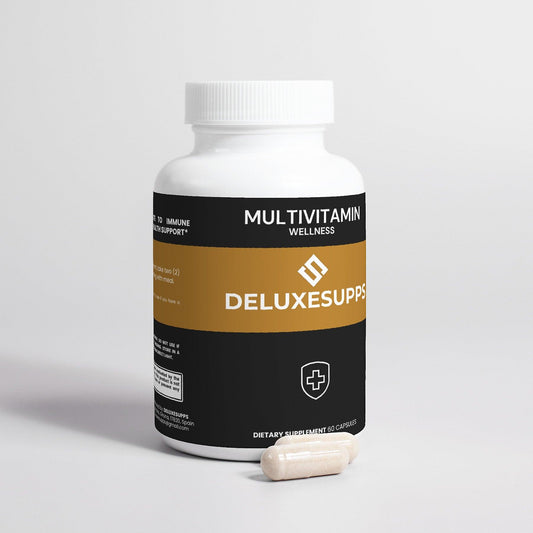
Look for full-spectrum coverage rather than focus on a single “hero” nutrient. For a balanced, once-daily option, review the profile of Complete Multivitamin and compare it against your current intake.
Evidence-Informed Botanicals
Selective botanicals can complement a multivitamin, especially during high stress or heavy training periods. Adaptogens such as ashwagandha are well-studied for perceived stress and day-to-day resilience. Choose standardized extracts from transparent suppliers and avoid exaggerated claims. If you are exploring adaptogens, evaluate the profile of Ashwagandha as a starting point.
Forms, Dosing, and Quality Controls
Not all ingredient forms are equal. Chelated minerals (such as glycinate or bisglycinate forms) can be more gentle for some users. Methylated B12 and folate forms may improve compatibility for certain individuals. Clear documentation of ingredient sources and standardizations is a positive signal.
Quality systems matter. Look for manufacturing in facilities that follow current Good Manufacturing Practices (cGMP). Third-party testing for identity and purity adds confidence. Conservative dosing aligned with established reference intakes supports daily, year-round use. If you compare labels, use a structured approach via the Compare formulas resource to evaluate amounts, forms, and serving sizes side by side.
Benefits & Reasons
A consistent micronutrient routine is practical for several reasons. The reasons below are general and focus on daily living rather than medical outcomes.
- Reliability: A complete daily formula helps cover dietary gaps that occur when meals are rushed or irregular.
- Energy production: B vitamins and minerals support normal energy metabolism and reduce reliance on erratic caffeine habits.
- Muscle and bone: Magnesium and vitamin D contribute to normal muscle function and bone maintenance.
- Immune support: Vitamins C and D, plus zinc and selenium, support normal immune function as part of an overall healthy lifestyle.
- Cognitive focus: A balanced nutrient profile supports normal cognitive performance and concentration.
- Simplicity: A minimal, smart stack is easier to follow, track, and adjust over time.
How to Build a Simple Daily Stack
Aim for clarity and sustainability. The steps below outline a balanced, low-friction routine you can maintain through busy seasons.
Step 1: Define Your Baseline
Review your diet, sleep, training load, and stress. Identify any recurring gaps. If needed, consult a qualified professional for individualized advice. A brief audit helps you choose a formula that complements, rather than duplicates, your intake from food.
Step 2: Select a Core Multivitamin
Choose a once-daily option that provides broad coverage without excess. Look for transparent labels and balanced dosing. If you prefer a men-focused profile, consider a targeted formula such as Male Peak to support an active lifestyle. Consistent daily use is more impactful than intermittent, high-dose cycles.
Step 3: Layer Targeted Support
Add one or two focused products based on your goals. For stress management, evaluate an adaptogen with consistent standardization. For training intensity, ensure adequate magnesium intake. If your diet lacks fatty fish, consider a separate omega-3 product. Keep the add-ons minimal so compliance stays high.
Step 4: Time, Track, and Adjust
Take your core formula with a meal to support tolerance and absorption. Space add-ons across the day if needed. Track your routine for two to four weeks. If you experience discomfort, adjust timing or serving size. Reassess monthly and refine based on your schedule, season, and feedback from a professional if applicable.
FAQ
Do I need a multivitamin if I eat well?
A nutrient-dense diet is the foundation. However, daily life can introduce variability. Travel, limited options, or training demands may create shortfalls. A comprehensive daily formula can act as an insurance policy against routine gaps. It should complement a solid diet, not replace it.
When is the best time to take a men-focused multivitamin?
Take it with a main meal. This approach supports tolerance and helps you build a reliable habit. If the serving size spans two capsules or tablets, you may split the dose with breakfast and lunch. Consistency matters more than the specific hour.
Can I use supplements alongside medications?
Consult a qualified professional before combining supplements with medications. Nutrients can interact with prescription regimens and lab tests. Share product labels, serving sizes, and timing with your healthcare provider to minimize risks and ensure compatibility.
Final Thoughts & Recommendations
Select men's health vitamins with balanced doses, transparent labels, and strong quality controls. Keep your routine simple: a complete daily formula plus one or two targeted add-ons. Start small, track your response, and adjust with guidance when needed. For a balanced foundation, evaluate Complete Multivitamin and refine with a focused add-on if appropriate. This article is for informational purposes only and does not replace professional advice.
About the Author
Deluxesupps Deluxesupps is a nutrition-focused team specializing in supplement education and product quality evaluation. The group creates practical guides that help readers build simple, effective routines. Expertise areas include multivitamin design, ingredient forms, and stack planning. Thank you for reading and taking a thoughtful approach to your wellness.
The content in this blog post is intended for general information purposes only. It should not be considered as professional, medical, or legal advice. For specific guidance related to your situation, please consult a qualified professional. The store does not assume responsibility for any decisions made based on this information.