










Updated on: 2026-01-01
Sharper focus often starts with consistent nutrition. This guide explains how to evaluate and use vitamins for concentration within a balanced routine, while avoiding hype and unverified claims. You will learn a stepwise approach to selection, practical timing and stacking tips, and answers to common questions about safety and expectations. The goal is to help you make informed choices with simple steps you can follow and measure.
- 1. Step-by-Step Guide: vitamins for concentration
- 2. Tips
- 3. FAQs
- 4. Wrap-up & Final Thoughts
- 5. About the Author
Concentration draws on many factors: sleep, hydration, blood sugar balance, and micronutrient status. Supplements can be useful when they complement a solid daily routine and a varied diet. The sections below outline practical steps to evaluate focus-supporting nutrients, compare product quality, and plan a gradual, low-risk trial. The emphasis is on clarity, safety, and consistency rather than quick fixes.
Step-by-Step Guide: vitamins for concentration
- 1. Define your primary goal. Clarify what “better focus” means for you. Do you want steadier attention across meetings, fewer afternoon dips, or less mental fatigue during study sessions? Write down a simple baseline, such as how long you can work before losing attention, and the activities that challenge you most. A clear goal will guide your choices and help you measure progress.
- 2. Secure the fundamentals first. Support comes from basics. Aim for regular sleep, hydration, and meals with protein, fiber, and healthy fats. These habits stabilize energy and make any supplementation plan more predictable. If fundamentals vary, it is difficult to know whether a new product helped or if routine changes made the difference.
- 3. Focus on core micronutrients linked to cognitive performance. B vitamins (particularly B6, folate, and B12) support energy metabolism and normal neurological function. Vitamin D is important for overall health and may influence mood and general well-being. Vitamin C contributes to antioxidant defenses, which helps manage everyday oxidative stress. Minerals such as iron and iodine are essential for normal cognitive function, but they should be used only when appropriate and as guided by a qualified professional.
- 4. Evaluate forms, serving sizes, and label transparency. Compare ingredient forms that are commonly used for bioavailability, such as methylcobalamin for B12 or methylfolate for folate. Review serving sizes and avoid exceeding established tolerable upper intake levels. Seek labels that list exact amounts, capsule counts, and plain-language directions. Transparent labels reduce guesswork and allow cleaner tracking.
- 5. Plan timing and pairing. Many people prefer morning intake to align with the day’s most demanding tasks. Pair water-soluble nutrients with breakfast and fat-soluble options with a meal that includes healthy fats. Avoid late-day intake if you notice it makes it harder to wind down at night. Keep the schedule consistent for at least two weeks before adjusting.
- 6. Introduce one change at a time. Add only one new product to reduce confounders. Track three simple metrics daily: a focus score (1–10), an energy score (1–10), and a note about workload. After 14 days, review your notes and decide whether to maintain, adjust timing, or discontinue. A simple journal prevents overreacting to a single good or bad day.
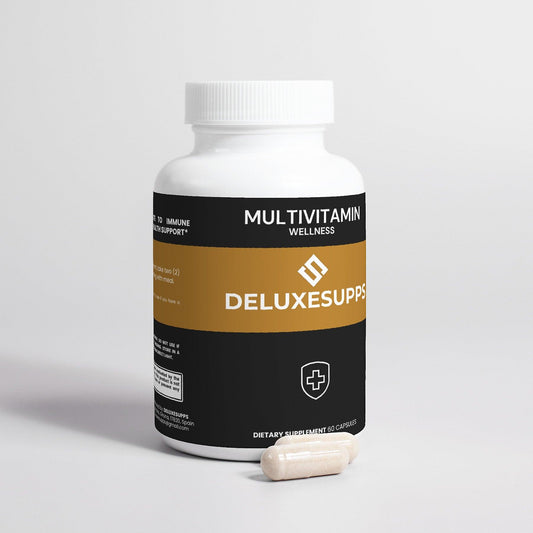
- 7. Prioritize quality and third-party testing. Choose products from brands that disclose testing, allergens, and manufacturing standards. Look for clear ingredient sourcing and batch numbers. For broad coverage, a well-designed multivitamin can help close routine gaps. Explore options such as the Complete Multivitamin and review the full label before deciding.
- 8. Consider supportive stacks conservatively. Some individuals pair a multivitamin base with targeted additions like adaptogenic or mushroom blends to complement daily focus routines. If you explore these categories, evaluate reputable options with clear formulas, such as the Mushroom Complex, and introduce them one at a time. Keep notes to confirm whether the addition aligns with your goals.
- 9. Support cellular energy wisely. When mental output is high, many users pay attention to cellular cofactor support. If you consider this angle, review options like an NAD+ supplement and evaluate how it fits within your overall routine. As always, read the label carefully and follow the recommended directions.
- 10. Reassess monthly. Every four weeks, step back and evaluate your log. Are you concentrating longer with fewer breaks? Are afternoon dips less frequent? If progress stalls, confirm fundamentals, adjust timing, or return to a simpler plan for two weeks before trying anything new.
Tips
- Start with the smallest effective serving and increase only if needed.
- Maintain a consistent schedule for at least 14 days before judging results.
- Do not combine multiple new products at once; isolate and observe.
- Pair nutrient support with short breaks, movement, and bright, natural light.
- Use a simple focus journal to track attention, energy, and workload.
- Prioritize products with clear labels and third-party testing disclosures.
- Keep caffeine intake steady across days to avoid confounding effects.
- Bundle strategically to save and simplify; explore Create your bundle to plan a minimal, coherent stack.
FAQs
Which nutrients are most discussed for supporting attention?
B vitamins (notably B6, folate, and B12) are commonly highlighted for energy metabolism and normal neurological function. Vitamin D supports general wellness, while vitamin C contributes to antioxidant defenses. Choline, iron, and iodine are essential nutrients with roles in cognition, but they should be used thoughtfully and, when relevant, under professional guidance. A balanced multivitamin can help cover routine gaps when diet is inconsistent.
How long might it take to notice effects?
Responses vary. Some individuals notice differences in daily steadiness within two to four weeks, especially when they also improve sleep and meal timing. Consistent routines make changes easier to observe. Keep a simple log and review it at the end of week two and week four to decide whether to maintain, adjust timing, or simplify.
Can I take these nutrients with coffee or tea?
Yes, in many cases, but moderation helps with clarity. If you use caffeine, keep your intake consistent from day to day so you can separate its effects from nutrition. Pair water-soluble nutrients with breakfast and space any stimulant-containing products away from late afternoon to support a stable evening routine.
Are these options suitable for busy professionals or students?
They can fit well into structured days, provided you start with fundamentals. Use a single base product, add at most one targeted formula, and keep a brief journal. Simplicity lowers cost, improves adherence, and makes it easier to see what actually helps during lectures, meetings, or deep work sessions.
Wrap-up & Final Thoughts
Effective focus strategies rely on fundamentals, label transparency, and patient testing. If you decide to explore vitamins for concentration, start with a clear goal, introduce one change at a time, and track simple metrics. Build on what works and remove what does not. For a structured starting point, review a balanced option like the Complete Multivitamin and complement it, if desired, with clearly labeled additions such as the Mushroom Complex or an NAD+ supplement. This content is informational and does not replace personalized guidance from a qualified professional.
About the Author
Deluxesupps Deluxesupps is a team of nutrition-focused editors and product specialists who evaluate labels, sourcing, and practical routines for better daily performance. Our expertise spans micronutrient formulation, adherence strategies, and consumer education. We hope these insights help you build a simple, effective plan. Thank you for reading and take good care of your routine.
The content in this blog post is intended for general information purposes only. It should not be considered as professional, medical, or legal advice. For specific guidance related to your situation, please consult a qualified professional. The store does not assume responsibility for any decisions made based on this information.