









Updated on: 2025-12-25
This guide explains a structured approach to women's health support through daily habits, smart nutrition, and informed product selection. You will learn how to build a simple framework, avoid common missteps, and make steady improvements with practical, low-friction actions. The analysis remains neutral, avoids medical claims, and focuses on sustainable routines that fit busy schedules. Use the checklists, pros and cons, and Q&A to refine your personal plan with clarity and confidence.
- Introduction
- Women's Health Support: A Practical Framework
- Common Mistakes to Avoid
- Pros & Cons Analysis
- Quick Tips
- Wrap-Up & Key Insights
- Q&A Section
- About the Author
Introduction
Building a reliable wellness routine is simpler when you define a clear baseline and add only what creates value. The modern landscape offers countless options, from nutrition plans and movement styles to sleep tools and supplements. Yet many individuals feel overwhelmed and inconsistent because the plan lacks structure. This article offers a precise, stepwise process to organize your daily habits, select supportive products with intention, and measure progress without stress. The result is a stable routine that adapts over time while keeping your goals front and center.
Women's Health Support: A Practical Framework
The most effective plans focus on five pillars: nourishment, movement, recovery, stress management, and routine refinement. Each pillar has a small set of actions you can commit to every day. The aim is coverage, not complexity. Start with the baseline, then layer optional enhancements as needed.
1) Nourishment
- Build meals around protein, colorful plants, and healthy fats. Keep portions steady to maintain satiety and energy.
- Use a simple hydration rule of thumb: drink water consistently throughout the day and add electrolytes during long or hot training sessions.
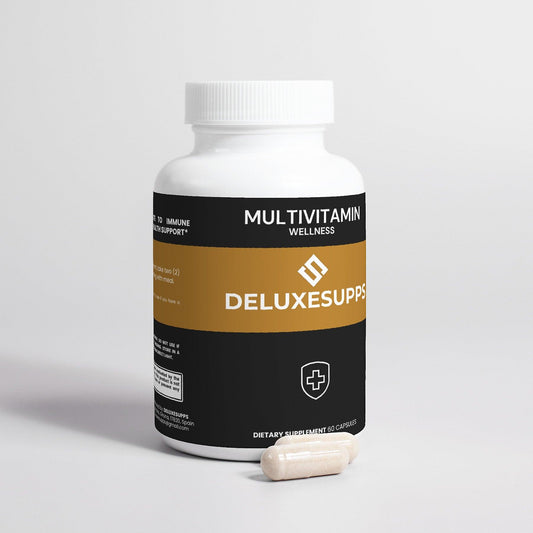
- For convenient nutritional coverage, consider a daily multivitamin. Review labels for transparency and serving clarity. Explore Complete Multivitamin as a baseline option.
2) Movement
- Combine strength training with low-impact cardio to support endurance, posture, and everyday function.
- Progress gradually by adjusting volume or intensity once per week. Slow, steady progression reduces setbacks.
- Use short sessions when busy. Two 15-minute blocks can match the effect of a single longer session.
3) Recovery
- Set a consistent sleep window and protect a calm wind-down routine. Keep the bedroom cool, dark, and quiet.
- Emphasize light exposure in the morning and dimmer light in the evening to reinforce rhythm.
- If you train hard, add a gentle mobility circuit or a short walk after workouts to support circulation and relaxation.
4) Stress Management
- Use brief, repeatable practices: two minutes of deep breathing, a short journal entry, or a quiet walk.
- Adaptogens are popular for general balance. Choose reputable sources and start low. See Ashwagandha for a simple, well-known option.
- Protect boundaries. Schedule true downtime in the same way you schedule meetings or workouts.
5) Routine Refinement
- Track only what you use. Choose two metrics—such as energy levels and workout frequency—and review them weekly.
- Adjust one variable at a time. Change either training volume, meal composition, or bedtime schedule, not all at once.
- Bundle and plan ahead. If you use supportive products, set monthly reminders or build a flexible kit. You can create your bundle to simplify reorders and stay consistent.
Common Mistakes to Avoid
- All-or-nothing behavior: Extreme changes rarely last. A moderate plan is easier to follow and gives steadier results.
- Chasing trends over fundamentals: Basics like protein intake, movement, and regular sleep outperform most shortcuts.
- Over-supplementing: More is not better. Introduce one product at a time and watch how you respond.
- Skipping breakfast or under-fueling: Long gaps can lead to energy dips and overeating later.
- Ignoring strength work: Muscle, posture, and joint care benefit from resistance training at any age.
- Tracking too many metrics: Data is useful only when it informs action. Keep tracking simple.
- Inconsistent recovery: Rest days and light sessions are part of the plan, not an afterthought.
Pros & Cons Analysis
Pros
- Clarity: A five-pillar system removes guesswork and reduces choice fatigue.
- Scalability: The plan adjusts to busy schedules with short or long sessions.
- Consistency: Simple rules help you keep momentum during stressful weeks.
- Personalization: Layer add-ons only if they solve a real need.
- Budget control: Focus on essentials first; invest in extras later.
Cons
- Patience required: Sustainable change takes time; quick outcomes are unlikely.
- Learning curve: Reading labels and organizing routines needs initial effort.
- Boundaries: Protecting sleep and downtime may require lifestyle adjustments.
Quick Tips
- Prepare a default breakfast with protein and fiber. Repeat it on busy days.
- Set a standing or walking break every hour for two minutes.
- Batch-cook one protein and one grain on weekends for easy meals.
- Keep a water bottle on your desk and in your bag to reduce friction.
- Use a 10-minute evening tidy-up to lower stress before bed.
- Try a short breath practice: four seconds in, six seconds out, for two minutes.
- When adding cognitive-supportive ingredients, review blends. A focused option like Mushroom Complex can simplify choices.
- Start small. Add only one new habit per week.
Wrap-Up & Key Insights
Sustainable progress comes from a simple, repeatable plan that you can run on your busiest days. The five pillars—nourishment, movement, recovery, stress management, and refinement—work best when you track a few metrics and adjust one lever at a time. Use supportive products thoughtfully and source them from transparent brands. Begin with fundamentals like a quality multivitamin, consider adaptogens if needed, and add cognitive support during demanding periods.
Set your next step today: choose one habit to implement this week and schedule it. If a curated kit would keep you on track, explore the Complete Multivitamin for baseline coverage, add Ashwagandha for balance when appropriate, or integrate Mushroom Complex to support focus during heavy workloads. These choices are tools—your consistent routine is the foundation of women's health support.
Q&A Section
How can I set realistic goals without losing motivation?
Define one outcome goal and three process goals. For example, set a target such as “feel steady energy most days,” then track three behaviors: a protein-rich breakfast, a 20-minute walk, and a fixed bedtime. Review once per week. If one action is not working, scale it down rather than dropping it.
Which supplements should I consider first?
Start with essentials after food and sleep are in place. Many people begin with a daily multivitamin for broad coverage and add a single targeted option based on personal needs. For simplicity, review the formula of a product like Complete Multivitamin and then layer one focused product such as Ashwagandha or Mushroom Complex if it aligns with your routine. Introduce only one change at a time and monitor how you feel.
How do I know if my plan is working?
Use a simple scorecard. Rate energy, mood, sleep quality, and training consistency on a 1–5 scale each week. Look for trends, not perfection. If scores stall, make one small change—such as adding a protein snack or moving bedtime 15 minutes earlier—and reassess in seven days.
About the Author
Deluxesupps Deluxesupps is a wellness brand focused on practical routines, clear labels, and everyday performance. Our team translates complex health concepts into simple steps you can use today. Thank you for reading—stay consistent, keep it simple, and take the next small step.
The content in this blog post is intended for general information purposes only. It should not be considered as professional, medical, or legal advice. For specific guidance related to your situation, please consult a qualified professional. The store does not assume responsibility for any decisions made based on this information.