









Updated on: 2025-12-21
This guide explains how to choose quality supplements online with confidence. You will learn how to read labels, assess product quality, and compare formats for your goals. It also covers common challenges, practical solutions, and clear recommendations to build a simple, sustainable routine. A concise Q&A at the end addresses frequent questions about stacking, timing, and safety.
Table of Contents
- Introduction Paragraph
- Common Challenges
- Comparison Section
- Summary & Recommendations
- Q&A Section
- About the Author
Introduction Paragraph
Shopping for supplements online can feel complex. Labels, claims, and reviews often conflict. A clear process reduces noise and helps you select products that fit your goals. This guide provides practical steps for reading labels, evaluating quality, and comparing formats. It focuses on consistency, safety, and value. Use it to refine your routine and to build a set of products that you can follow every day. For a broad view of options, explore the curated range in the full collection and apply the methods below as you browse.
Common Challenges
Label literacy
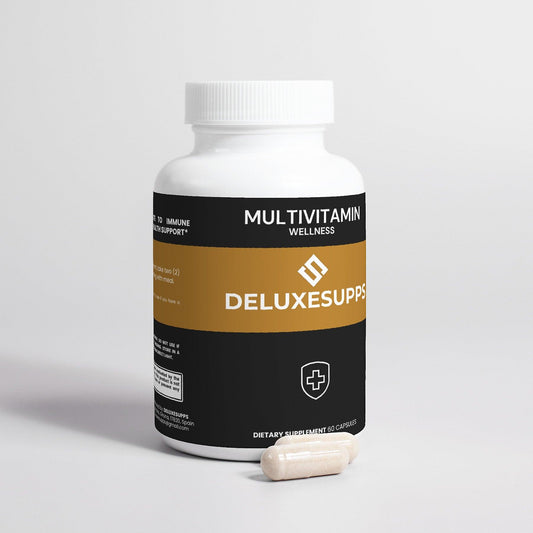
Labels should show serving size, active ingredients, and amounts per serving. Look for plain names rather than vague proprietary names. If a blend is proprietary, ensure the total amount appears and that the key ingredients make sense at typical serving ranges used in the category. Check other ingredients as well. Short, purposeful excipients are normal; excessive sweeteners or artificial colors may not serve your goals. Confirm storage instructions and any cautions. If a label leaves basic questions unanswered, consider a different product. When in doubt, compare against a straightforward staple such as a complete multivitamin to calibrate your expectations for clarity.
Product quality and testing
Trustworthy brands communicate quality practices with clarity. Look for batch numbers, manufacturing dates, and transparent sourcing notes. Responsible brands often discuss third-party testing, good manufacturing practices, and identity verification of raw materials. While logos and seals are useful, the plain-language explanation of what is tested and why is more important. Read product pages closely for specifics, not general statements. If a product focuses on cellular energy or wellness, review its composition and rationale. For instance, a focused formula like a NAD+ supplement should clearly state serving size and key actives. Clear information supports informed choices and long-term confidence.
Dosing and adherence
Effective routines are simple, consistent, and easy to follow. Choose products with dosing schedules that match your day. Once daily is easy for many people. Split doses can work if you tie them to existing habits, such as breakfast and lunch. Consider the size and format of the serving. Large capsules may be harder to swallow, while powders require mixing tools and liquid. Adherence improves when the routine fits your lifestyle. Start with a minimal set of essentials and add selective options as needed. Keep notes on how you feel and how well you follow the plan over two to four weeks, and adjust only one variable at a time.
Budget and value
Value is a combination of cost per serving, ingredient quality, and adherence. A lower-cost item is not a bargain if you skip doses. Likewise, the most expensive product is not useful if the formula exceeds your needs. Calculate the monthly cost based on your realistic daily use. Then combine complementary items into a simple stack. Consider curated tools that simplify selection and lower total cost, such as the option to create your bundle. Streamlining reduces waste, clarifies your plan, and supports consistent use.
Comparison Section
Capsules vs powders vs gummies
- Capsules
- Pros: Precise dosing, portable, minimal taste.
- Cons: Some capsules are large; swallowing can be difficult for some users.
- Powders
- Pros: Flexible dosing, often cost-effective per serving.
- Cons: Requires mixing; flavor and texture vary; less portable.
- Gummies
- Pros: Easy to take, pleasant taste, helpful for users who avoid pills.
- Cons: Usually lower active amounts per serving; added sweeteners are common.
Choose the format you will use every day. If travel is frequent, capsules are practical. If you prefer flexible amounts or blending into smoothies, powders make sense. For those who struggle with pills, gummies can improve adherence despite lower active doses. The right choice is the one that you will take consistently and that fits your routine without friction.
Single-ingredient vs blends
- Single-ingredient
- Pros: Clear dose control, easier to track responses, simple stacking.
- Cons: Requires more products if goals are broad.
- Blends
- Pros: Convenient, synergistic combinations, fewer bottles.
- Cons: Less transparency if proprietary; harder to adjust individual components.
A practical approach is to anchor your routine with fundamentals, then add focus. Many users begin with a daily multi and add a targeted option based on goals. For example, combine a multivitamin foundation with a focused product chosen for cognitive, energy, or recovery support. Keep the total number of products modest to maintain clarity and consistency.
Summary & Recommendations
Successful supplement routines start simple and evolve slowly. Read labels carefully. Favor brands that explain quality practices and testing in clear terms. Select formats you will use every day. Balance cost, convenience, and clarity. As a practical baseline, many shoppers start with a daily essential and add one targeted option for specific goals. Review your plan every few weeks and adjust gradually.
To put this guide into action, consider establishing a core routine with a daily multi such as the complete multivitamin, then layering in one focused product such as a NAD+ supplement if it aligns with your priorities. If you want a streamlined way to personalize your set while controlling cost, use the bundle builder. For broad browsing and comparison, view the full collection and apply the evaluation steps above.
Q&A Section
What is a safe starting stack?
Keep it simple. Begin with one daily essential and one targeted product that aligns with a clear goal. Track how you feel and how consistently you take the products for several weeks. Add or remove only one item at a time so you can judge impact. If you have questions about suitability, discuss your plan with a qualified professional before you begin.
How do I read a supplement facts panel?
Start with serving size. Confirm the number of capsules, tablets, or grams per serving. Review the active ingredients and amounts per serving, not per capsule if the serving is more than one capsule. Check other ingredients for unnecessary additives. Look for clear cautions and storage guidance. If a blend is proprietary, make sure the total amount and context make sense for typical use in that category.
How should I time my supplements?
Time your routine to match your day. Many users take essentials with breakfast for simplicity. Products that are energizing are often taken earlier. Items that some prefer later can be scheduled with lunch or early evening. The best timing is the one that you will follow every day. Keep the plan consistent so you can evaluate how it works for you over time.
About the Author
Deluxesupps Deluxesupps
Deluxesupps Deluxesupps specializes in practical supplement education and product curation. The team focuses on clear labels, quality standards, and simple routines that support daily consistency. Articles emphasize objective evaluation and actionable steps. Thank you for reading, and enjoy refining your routine with clarity.
The content in this blog post is intended for general information purposes only. It should not be considered as professional, medical, or legal advice. For specific guidance related to your situation, please consult a qualified professional. The store does not assume responsibility for any decisions made based on this information.