







Updated on: 2026-01-10
This guide explains how to evaluate bioavailable vitamin D so you can choose a supplement that suits your routine and goals. You will learn what influences uptake, how formats differ, and practical ways to improve absorption with food and timing. The steps are simple, research-informed, and focused on label literacy and consistency. You will also find expert tips, concise answers to common questions, and links to helpful resources for deeper learning.
- Introduction
- Step-by-Step Guide: Choosing Bioavailable Vitamin D
- Tips
- FAQs
- Wrap-up & Final Thoughts
- What does “high-absorption” mean for vitamin D?
- Is D3 better than D2 for uptake?
- When should I take vitamin D for best results?
- About the Author
Vitamin D plays a role in bone, muscle, and immune health. Yet not every formulation is equally efficient in the body. Absorption and utilization depend on form (D3 or D2), delivery system, co-nutrients, and the way you take it each day. This article explains how to identify better-absorbed options, how to read labels with confidence, and how to build simple habits that support steady levels. The aim is clarity and practicality, so you can make an informed, responsible choice that fits your routine.
Step-by-Step Guide: Choosing bioavailable vitamin D
- 1. Verify the form on the label. Look for cholecalciferol (D3). It is the form commonly used for efficient uptake compared with ergocalciferol (D2). If the label highlights high-absorption vitamin D3 or an emulsified format, note that as a positive sign.
- 2. Check the delivery system. Oil-based softgels, emulsified liquids, and certain liposomal or micellized drops can enhance dispersion in the gut. These formats may support superior uptake compared with dry tablets. Evaluate what you can take consistently.
- 3. Read the full ingredient list. A well-absorbed D3 often appears with a carrier oil such as MCT or olive oil. Some formulas include supportive co-nutrients like magnesium or K2. Read carefully and avoid unnecessary additives that do not serve your needs.
- 4. Consider how you plan to take it. Fat-soluble nutrients are typically best with a meal that includes healthy fats. Your mealtime routine influences practical absorption as much as the formula itself. Choose a schedule you can follow every day.
- 5. Prioritize third-party testing and clear quality statements. Independent verification supports label accuracy and purity. Reputable brands share testing practices and manufacturing standards. For broader ingredient education and supplement literacy, explore the educational articles in Suppspedia.
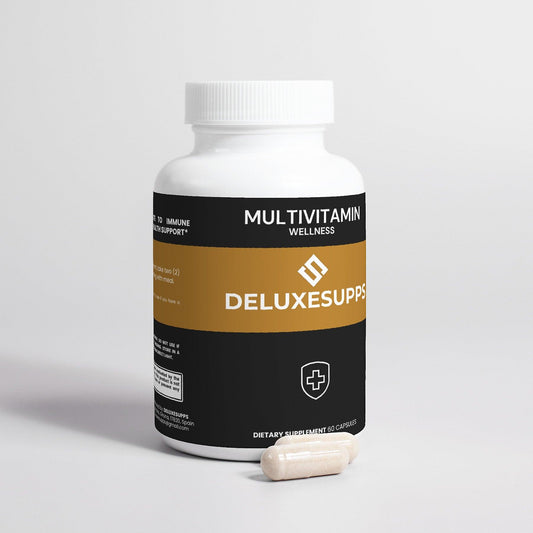
- 6. Align with your broader regimen. If you already use a multivitamin, check whether it supplies D3 and in what amount. Choosing a single, reliable source can simplify dosing. To review a balanced formula for daily support, see the Complete Multivitamin.
- 7. Start with a consistent routine before making changes. Consistency over weeks matters more than frequent shifts in brand or format. Track how you take it, not just what you take. A supplement with superior uptake works best when your routine is steady.
- 8. Store it correctly. Keep bottles closed, away from heat and moisture. Proper storage helps maintain potency across the product’s shelf life.
- 9. Reassess periodically. Review your intake during seasonal changes, travel, or shifts in diet. If questions arise about personal needs, discuss them with a qualified professional.
Tips
- Pair D3 with a meal that contains healthy fats to support absorption.
- Choose formats designed for dispersion, such as emulsified or oil-based drops, if you prefer liquids.
- Build a repeatable habit by taking it at the same time each day.
- Review labels for carrier oils and avoid unnecessary fillers.
- Consider magnesium and K2 as complementary nutrients when appropriate and guided by a professional.
- Avoid megadoses without qualified guidance; more is not always better.
- Evaluate one change at a time so you can tell what helps.
- Bundle your routine for convenience and adherence; personalize combinations with Create Your Bundle.
- Keep products in a cool, dry place, and close lids tightly after each use.
- Track your intake in a simple log to reinforce consistency.
FAQs
What does “high-absorption” mean for vitamin D?
It refers to how efficiently your body takes in and uses the nutrient. Format, co-nutrients, and whether you take it with food all influence uptake. Look for well-absorbed D3 in oil-based or emulsified forms, and build a routine that includes a meal with fat.
Is D3 better than D2 for uptake?
D3 (cholecalciferol) is commonly chosen in supplements because it aligns with practical absorption goals for many users. D2 (ergocalciferol) appears in some products but is less common in retail supplements aimed at efficient uptake. Choose a reputable product with clear labeling and quality testing.
When should I take vitamin D for best results?
Take it with a meal that contains fat, and do so at the same time each day. Morning or lunchtime often works well because these meals tend to include healthy fats. A regular schedule supports steadier daily intake.
What makes bioavailable vitamin D different from standard options?
The term highlights formulations and practices that improve dispersion and uptake. Examples include oil-based softgels, emulsified liquids, and liposomal or micellized drops. How you take the supplement—consistently and with food—remains essential.
Wrap-up & Final Thoughts
Efficient vitamin D support depends on both the formulation and your daily habits. Choose a D3 format that disperses well, take it with a meal containing fat, and keep your schedule steady. Review labels, verify testing, and make one change at a time to see what helps. If you prefer an all-in-one approach, a balanced multivitamin may be useful; explore the Complete Multivitamin, and build a convenient routine with Create Your Bundle. For questions about orders or product details, visit Contact Us and review the Shipping Policy.
Disclaimer: This content is for educational purposes only and does not provide medical advice. Always consult a qualified professional before changing your supplement routine, especially if you have underlying conditions, take medications, or are pregnant or nursing.
About the Author
Deluxesupps Deluxesupps is a content specialist with a focus on supplement education, label literacy, and habit-building strategies. Our goal is to help readers make clear, confident choices grounded in practical steps. Thank you for reading, and we hope this guide supports your daily routine.
The content in this blog post is intended for general information purposes only. It should not be considered as professional, medical, or legal advice. For specific guidance related to your situation, please consult a qualified professional. The store does not assume responsibility for any decisions made based on this information.