










Updated on: 2025-12-14
This guide explains how to evaluate and use bone health supplements with confidence. You will learn which nutrients matter most, how to read labels, and how to pair supplementation with daily habits for stronger support. The article also covers timing, dosage ranges in plain language, and quality cues such as third-party testing. Practical checklists and expert tips help you build a simple, sustainable plan.
- Guide to skeletal support
- Core nutrients and roles
- Synergy and timing
- Quality and labeling checklist
- Who may consider supplementation
- Lifestyle pairing
- Did You Know?
- Expert Tips
- Personal Anecdote
- Summary & Takeaways
- Q&A Section
- What should a beginner look for?
- Are food-first approaches enough?
- When is the best time to take minerals?
- About the Author
Bone health supplements: an objective guide
Strong bones depend on consistent intake of minerals, vitamins, protein, sunlight exposure, and movement. Dietary gaps are common, which is why skeletal support formulas can play a useful role. The goal is not to chase trendy ingredients, but to meet daily needs with reliable, well-dosed essentials. This guide outlines the nutrients with the most practical relevance, how they work together, and how to choose products that align with your routine and values.
Core nutrients and roles
Calcium supports the mineral matrix that gives bones hardness. Many people meet their needs through food, but some do not. Look for moderate daily amounts split into smaller servings that are easier to tolerate.
- Vitamin D3 supports normal calcium absorption and helps maintain serum levels within a healthy range.
- Vitamin K2 (often as MK-7) helps direct calcium to bone tissue and away from soft tissues.
- Magnesium participates in bone mineralization and supports hundreds of enzymes related to muscle and nerve function.
- Collagen peptides provide amino acids that support the protein framework within bone and joint tissue.
- Trace minerals such as zinc, manganese, and boron support connective tissue and mineral metabolism.
A balanced approach uses reasonable amounts of each rather than very high doses of one single ingredient.
Synergy and timing
Minerals can compete for absorption. Splitting doses across the day can help. For many people, calcium and magnesium are easier on the stomach when taken with food. Vitamin D is fat soluble and pairs well with a meal containing healthy fats. Collagen can be taken at any time; consistency matters most. Hydration is helpful because fluids aid normal digestion and transport.
Quality and labeling checklist
When evaluating bone health supplements, seek clarity, transparency, and independent verification. Focus on the following elements:
- Form: Calcium citrate is often gentler than carbonate for some individuals. Magnesium glycinate is well tolerated by many.
- Dosage: Moderate, split doses often work better than single high amounts.
- Testing: Prefer products with third-party testing for potency and purity, and clear lot numbers.
- Excipients: Short, clean inactive ingredient lists reduce unnecessary additives.
- Label transparency: Exact amounts for each component, not proprietary blends for primary actives.
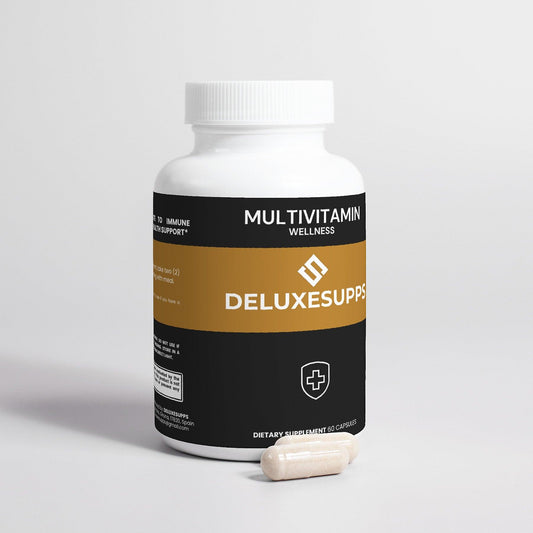
For a simple, all-in-one daily base, a comprehensive multivitamin can cover foundational nutrients that support bones, leaving targeted minerals to fine-tune your intake. Consider reviewing a balanced option such as the Complete Multivitamin and then adding minerals as needed.
Who may consider supplementation
Supplementation is a tool to close nutritional gaps, not a substitute for a balanced diet. Individuals who limit dairy, follow restricted eating patterns, spend little time in sunlight, or are in life stages with higher mineral demand may benefit from a tailored plan. Those with higher training loads or limited appetite might also explore targeted support. Always review personal needs and medications with a qualified professional before changing your regimen.
Lifestyle pairing
Movement signals the body to invest in bone tissue. Weight-bearing and impact-style exercise, performed within personal limits, complements nutrition. Protein intake spread across the day, colorful produce for antioxidants, and sensible sun exposure or vitamin D supplementation work together. Smart routines beat perfection. Keep it simple, consistent, and measurable.
To explore curated options and build a routine that suits your schedule, you can Shop all or Compare formulas. For delivery details, review the Shipping policy.
Did You Know?
- Bone is living tissue, constantly remodeling in response to diet and activity.
- Calcium absorption declines when intake is very high in one sitting; splitting doses can help.
- Vitamin D status can vary by season and latitude, which is why consistent intake matters.
- Magnesium supports muscle relaxation, which can improve comfort during training and recovery.
- Vitamin K2 works with D3 and calcium, creating a coordinated approach rather than isolated dosing.
Expert Tips
- Prioritize food first, then fill gaps. Dark leafy greens, dairy or fortified alternatives, beans, nuts, and small bones in canned fish offer minerals.
- Choose moderate daily doses over very large, infrequent intakes to support steady balance.
- Separate iron from calcium-rich servings by a few hours to avoid absorption conflicts.
- Pair D3 with a meal containing healthy fats for better uptake.
- Use a weekly pill organizer to maintain consistency and avoid missed servings.
- Review labels annually as needs, diets, or training volumes change.
- Track how you feel and adjust with professional guidance rather than making frequent, large changes.
Personal Anecdote
I once worked with a busy professional who relied on sporadic, high-dose calcium while skipping meals and sunlight. The plan was simplified: a balanced multivitamin base, split mineral doses with lunch and dinner, a short daily walk outdoors, and a twice-weekly resistance routine. The new approach reduced stomach discomfort and made the routine sustainable. By keeping the plan realistic and consistent, the individual adhered for months and reported better energy for training and daily tasks.
Summary & Takeaways
- Cover the basics: calcium, vitamin D3, vitamin K2, magnesium, and supportive trace minerals.
- Use split doses and pair fat-soluble vitamins with meals for practical uptake.
- Choose transparent labels, clean excipients, and third-party testing where possible.
- Integrate weight-bearing exercise, adequate protein, and consistent routines.
- Tailor the plan to your diet, schedule, and tolerance, and review with a professional.
- For a straightforward start, consider a daily multi and then layer minerals as needed. Explore options and Shop all.
This content is for educational purposes only and does not replace personalized advice. Supplements are not a substitute for a varied, balanced diet and a healthy lifestyle.
Q&A Section
What should a beginner look for?
Start with essentials in reasonable amounts: calcium, vitamin D3, vitamin K2, and magnesium. Seek clear labels with exact dosages, not proprietary blends for the primary actives. Prioritize products with third-party testing and simple inactive ingredients. A daily multivitamin can cover many supporting nutrients, after which you can add targeted minerals based on diet and tolerance.
Are food-first approaches enough?
Many people can meet needs through diet, especially with dairy or fortified alternatives, leafy greens, legumes, nuts, and small-boned fish. However, schedules, preferences, and limited sunlight sometimes create gaps. In those cases, a modest, well-structured supplement plan can help bridge the difference. Review your intake and make changes gradually with professional guidance.
When is the best time to take minerals?
Consistency and tolerance matter more than a specific hour. Many people take calcium and magnesium with meals to support comfort, and they separate larger mineral servings into two or more smaller doses. Fat-soluble vitamins, such as D3, pair well with a meal that includes healthy fats. Separate iron and large calcium doses by a few hours to avoid competition.
How do I reduce pill fatigue and stay consistent?
Simplify the plan. Use a reliable base formula, split doses, and set cues such as pairing servings with breakfast and dinner. A weekly organizer and calendar reminders can help. Review results every few months and adjust only what is necessary, not everything at once.
About the Author
Deluxesupps Deluxesupps is a content team focused on practical nutrition and supplement education for everyday routines. We translate complex research into clear guidance on minerals, vitamins, and lifestyle strategies for bone and joint support. Thank you for reading, and please visit our store pages to explore balanced options.
The content in this blog post is intended for general information purposes only. It should not be considered as professional, medical, or legal advice. For specific guidance related to your situation, please consult a qualified professional. The store does not assume responsibility for any decisions made based on this information.