








Updated on: 2025-12-13
This guide compares spider vein care options in clear, practical terms so you can plan sensible next steps. You will learn lifestyle measures that support leg comfort, what to expect from compression wear, how topical routines fit in, and when to consider a professional consultation. The approach is conservative, budget-aware, and focused on day-to-day habits that are easy to maintain. Use it to build a routine that aligns with your goals and preferences.
Introduction
Small, visible veins near the skin’s surface can affect how legs look and feel. They are common, and they often reflect a mix of genetics, life stage, prolonged standing or sitting, and routine habits. This article summarizes conservative and procedural choices in a balanced way so you can weigh comfort, cost, and convenience. It highlights evidence-informed daily practices and explains the role of compression wear and topical care. For readers comparing spider vein care options, the goal is clarity and practical planning rather than quick fixes.
The focus here is on safe, everyday actions that support circulation and skin health. You will also find guidance on how to approach a visit with a qualified professional if you want a cosmetic procedure. Throughout, the tone is realistic and respectful of individual preferences, budgets, and timelines.
Pros & Cons of Spider Vein Care Options
- Lifestyle measures (movement, leg elevation, breaks): Low cost and low risk. They fit into most routines and can improve comfort. They require consistency and may deliver gradual results.
- Graduated compression stockings: Widely used for support during long days on your feet or extended sitting. They are accessible and come in many styles. Sizing and donning can be challenging for first-time users, and comfort varies by fabric and compression level.
- Topical care (gentle cleansers, moisturizers, SPF): Supports skin appearance and helps protect fragile areas. Affordable and simple to adopt. Does not remove visible veins but complements other measures.
- Professional procedures (e.g., sclerotherapy or laser): Performed by qualified clinicians and designed for cosmetic improvement. Potential for noticeable changes. Involves cost, scheduling, and post-procedure instructions; multiple sessions may be recommended.
- General wellness support (nutrition, sleep, stress management): Helps maintain overall health and consistency with habits. Indirect effect; it is not a substitute for clinical procedures when desired.
Step-by-Step Practical Guide
Step 1: Clarify goals and expectations
Decide what matters most to you: comfort, appearance, or both. Outline your budget and the amount of time you can invest each week. Create a short list of outcomes you would value, such as “less leg fatigue after work” or “smoother-looking skin at the calf.” Set a realistic time frame for evaluating changes from home measures before you consider a clinic visit. A clear plan helps you choose tools and track progress.
Step 2: Adopt daily circulation habits
Simple movement breaks help. Every 45–60 minutes, stand, walk, or flex your ankles for one minute. When possible, elevate your legs so your heels are slightly above hip level for brief periods. Choose comfortable footwear with appropriate support. Hydrate consistently. Keep sitting posture neutral with hips and knees at similar height. These steps are low cost and add little friction to your day. Consider pairing habits with existing routines, such as standing while making phone calls, to boost adherence.
Step 3: Use graduated compression wisely
Compression socks or stockings can support comfort during prolonged standing or sitting. Start with a light to moderate level to assess feel. Ensure accurate sizing; measure in the morning when legs are less prone to swelling, and follow brand guidance. Put them on before long shifts or travel and remove them at night. Rotate pairs to keep fabric performance consistent. If you are unsure which style is right for you, consult a trained fitter or clinician. Combine compression with movement breaks for best day-to-day results.
Step 4: Build a simple skin routine
Keep skin clean, moisturized, and protected from the sun. Use a gentle cleanser and a non-fragrant moisturizer to support the skin barrier. Apply broad-spectrum SPF on exposed areas when outdoors. Avoid overly hot showers, harsh scrubs, or aggressive massage on delicate spots. If you prefer a topical with soothing botanicals, patch-test first. Skin care does not remove visible veins, but it improves the overall look of the area and supports comfort during daily activities.
Step 5: Plan a professional consultation
If cosmetic improvement is a priority, schedule a consultation with a qualified professional who can explain options, expected timelines, and aftercare. Bring your goals, medical history, and a list of medications. Ask about the number of visits likely required, typical recovery instructions, and total cost. Request before-and-after photos for similar cases to align expectations. A clear discussion helps you choose a pathway that suits your schedule and comfort level.
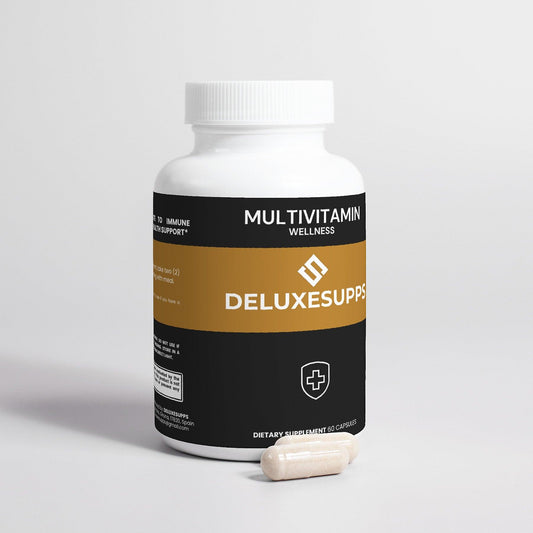
Supportive wellness habits make routines easier to maintain. Balanced nutrition and sleep help you stay consistent with movement and skin care. If you are building a general wellness stack, consider reviewing a comprehensive multivitamin to cover common gaps. Explore options such as the Multivitamin for daily support. For broad well-being routines, some readers also explore functional blends like the Mushroom Complex. These products are not intended to treat vein concerns, but they may fit within a balanced lifestyle. For more reading across nutrition and habit-building, view our Wellness guides, or browse the full range to compare formats and ingredients on one page via Shop all.
Wrap-Up
Effective care balances everyday habits, comfort tools, and, when desired, a professional procedure. Daily movement, leg elevation, and sensible posture are low-cost foundations. Graduated compression and simple skin routines are practical additions. If cosmetic change is a priority, consult a qualified professional for a personalized plan and clear expectations. Start with small, consistent steps, evaluate results at set intervals, and adjust as needed. Your plan can remain conservative, or you can escalate thoughtfully once you have tested baseline habits.
Q&A Section
Are spider veins the same as varicose veins?
No. They are smaller, closer to the surface, and often appear as fine red, blue, or purple lines. Varicose veins are larger and can look bulging or rope-like. Management priorities differ, so a professional evaluation is helpful if you are unsure which type you have. The conservative measures in this guide can support day-to-day comfort regardless of the type.
How long should I try lifestyle measures before seeking a procedure?
Give yourself a defined trial period to evaluate changes in comfort and appearance from daily habits and compression, such as several weeks of consistent routines. Track notes on how your legs feel after long days and whether the skin looks smoother. If results do not align with your goals, schedule a consultation to review procedural pathways and expected timelines. A structured approach helps you make a confident decision.
What should I ask during a professional consultation?
Ask about suitable procedures for your pattern, the number of sessions usually recommended, recovery guidance, possible effects, and total costs. Request clear pre- and post-visit instructions, and clarify what daily activities you can maintain. Inquire about experience with cases similar to yours and view representative photos to set expectations. Take notes so you can compare options calmly afterward.
About the Author
Deluxesupps Deluxesupps is a content strategist and wellness editor focused on practical, habit-first guidance. Our team curates research-informed resources that help readers make steady, sustainable progress. We hope this guide equips you to choose a plan that fits your routine. Thank you for reading.
The content in this blog post is intended for general information purposes only. It should not be considered as professional, medical, or legal advice. For specific guidance related to your situation, please consult a qualified professional. The store does not assume responsibility for any decisions made based on this information.