




Updated on: 2026-01-05
Choosing supplements built on clinical research validated ingredients helps you shop with confidence and avoid marketing noise. This guide shows you how to verify evidence, interpret labels, and recognize quality signals that matter. You will learn what study designs indicate reliability, which label terms carry weight, and how to compare products effectively. Use the checklist, FAQs, and expert Q&A to make informed, responsible purchasing decisions.
- Introduction
- How to Identify Clinical Research Validated Ingredients
- Study Design Signals
- Label Clues That Indicate Evidence
- Common Mistakes
- Buyer’s Checklist
- FAQ Section
- Wrap-Up & Final Thoughts
- Q&A Section
- About the Author Section
Introduction
Supplement labels often sound convincing, yet the true marker of quality is rigorous human evidence. Knowing how to assess research-backed ingredients protects your budget and supports a responsible wellness routine. This article explains how to evaluate supporting studies, read labels for meaningful disclosures, and avoid common pitfalls that lead to disappointing purchases. You will also find a practical checklist and answers to common questions so you can apply these principles immediately when comparing brands and formulations.
How to Identify Clinical Research Validated Ingredients
Evidence-backed ingredients are those supported by credible, human-based data that align with the product’s stated use. Strong documentation typically includes peer-reviewed studies with transparent methods, clear endpoints, and appropriate dosing. Look for trials that match the population and intended benefit described on the label. Cross-check whether the specific form (for example, a standardized extract) and the dose used in studies resembles what appears in the serving facts. If the supplement relies on a different form, a much smaller serving, or a non-standardized source, the relevance of any cited research is lower.
Manufacturers may reference preliminary or mechanistic findings. While these can be informative, they do not replace well-designed human trials. Prioritize evidence from randomized, controlled designs, verified measurements, and reproducible results. Independent third-party testing, transparent sourcing, and batch-level quality controls further support trust in an ingredient’s integrity.
Study Design Signals
- Human participants: Findings from human trials are more applicable than animal or cell-based research.
- Randomized, controlled design: Randomization and a control group help reduce bias and isolate effects.
- Blinding: Double-blind methods lower expectancy effects from both participants and investigators.
- Sample size and duration: Adequate participants and a timeframe appropriate to the outcome increase reliability.
- Relevant endpoints: Outcomes should be objective, validated, and tied to the product’s intended use.
- Replicability and peer review: Multiple independent studies and peer-reviewed publication improve confidence.
Label Clues That Indicate Evidence
- Specific ingredient forms: Look for standardized extracts, defined strains, or named complexes rather than vague descriptors.
- Standardization details: Percentages of active compounds (for example, withanolides in ashwagandha) show consistency across batches.
- Clinically aligned dose: Serving size should be comparable to amounts tested in quality studies.
- Transparency: Disclosed amounts for each ingredient are more informative than undisclosed “proprietary blends.”
- Quality seals: Independent testing and certifications can indicate attention to purity and identity.
Common Mistakes
- Confusing mechanism with outcome: Mechanistic or lab findings do not guarantee real-world effects in people.
- Overvaluing testimonials: Anecdotes, even detailed ones, cannot replace rigorous human data.
- Assuming “more is better”: Megadosing can increase risk without improving effectiveness.
- Ignoring the ingredient form: Different forms of the same nutrient can vary in bioavailability and consistency.
- Relying on proprietary blends: Hidden amounts make it hard to verify whether the dose matches studied ranges.
- Skipping third-party testing: Lack of independent verification leaves purity and identity questions unanswered.
- Not checking interactions: Overlapping actives or stimulants can be unsuitable for some individuals.
Buyer’s Checklist
- Match evidence to use: Verify that human studies assess the same outcomes the product describes.
- Confirm the form: Prefer standardized extracts, defined strains, or identified actives with disclosed levels.
- Check the dose: Compare label amounts to ranges tested in human trials; be cautious with very low or very high servings.
- Assess study quality: Look for randomized, controlled, peer-reviewed research and consistent results across studies.
- Demand transparency: Avoid undisclosed blends when you need to confirm clinically aligned quantities.
- Seek third-party testing: Independent analysis supports purity and ingredient identity.
- Evaluate stacking: Consider overlapping actives and total daily intake across your regimen.
- Compare options: Use unbiased comparisons to review forms, dosages, and disclosures side by side. Compare products
- Review real-world fit: Serving schedule, capsule count, and cost per serving should align with your routine.
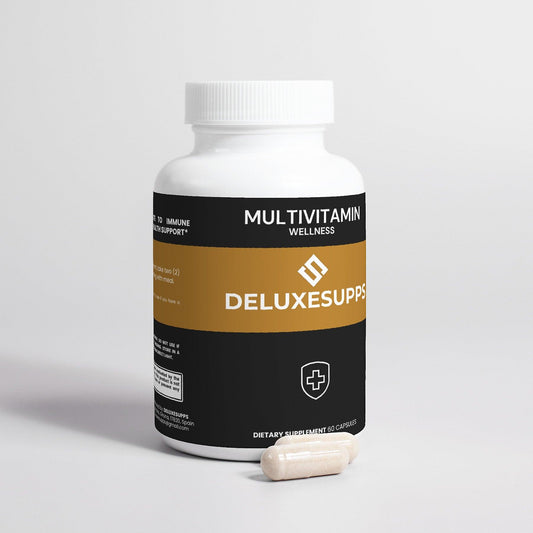
- Consider well-rounded formulas: For broad coverage, evaluate balanced essentials such as a high-quality multivitamin. Complete Multivitamin
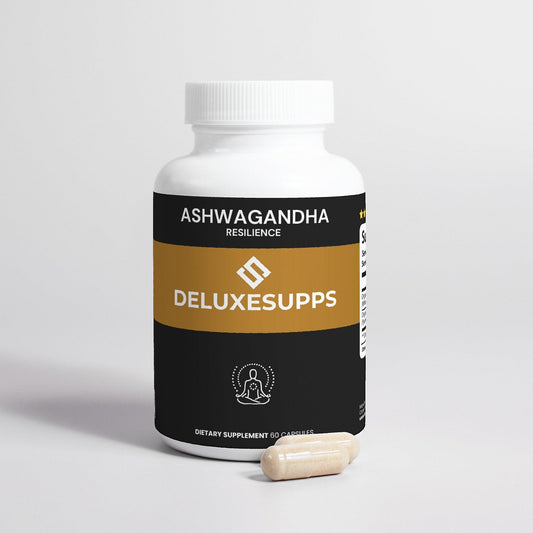
- Look for studied botanicals: Choose standardized herbal extracts when possible. Example: Ashwagandha
- Explore synergistic blends: Ensure each active lists its amount and a form tied to human data. Example: Mushroom Complex
FAQ Section
Are trademarked ingredients always better?
Trademarked forms can indicate defined sourcing, standardization, or additional testing. However, the trademark itself is not proof of effectiveness. The decisive factor is the presence of credible human evidence that matches the dosage and form on the label.
Do proprietary blends have value?
They can, but undisclosed amounts complicate verification. When evidence depends on specific doses, it is difficult to confirm alignment with research if the label does not list exact quantities. Transparent disclosures allow more informed decisions.
How long should I evaluate a product?
Evaluation windows vary by ingredient and intended use. Review study durations for relevant benchmarks, follow label directions, and reassess periodically. Discontinue use if it does not fit your needs or if you experience unwanted effects.
Wrap-Up & Final Thoughts
Smart supplement shopping starts with disciplined evidence review. Focus on study design quality, clinically aligned dosing, transparent labels, and third-party testing. When the label, form, and serving match credible research, your evaluation becomes more objective and consistent across brands. Above all, prioritize clinical research validated ingredients and apply the checklist each time you compare options. This approach helps you maintain a responsible, sustainable routine centered on clarity and quality.
Disclaimer: This content is for informational purposes only and does not provide medical advice. Always consult a qualified professional before starting, stopping, or combining supplements.
Q&A Section
What is the difference between “clinically studied” and “clinically proven” in marketing language?
“Clinically studied” implies that the ingredient or product has been evaluated in some form of clinical research, which can vary widely in quality. “Clinically proven” is often a marketing phrase that lacks a universal standard and may overstate certainty. The only reliable path is to review study design, endpoints, and dose. Favor multiple, well-controlled human trials over single, small, or open-label studies.
How should I weigh ingredient-level evidence versus formula-level evidence?
Ingredient-level research is informative when the product matches the studied form and dose. Formula-level trials can be stronger if they test the exact combination and serving as sold. In practice, both sources can help. Ensure that the product’s actives and total amounts reasonably align with either the tested ingredient or the tested formula to maintain relevance.
What are the most important label details to verify before purchasing?
Confirm the specific form (for example, a standardized extract), the exact amount per serving, and whether the dose reflects human-study ranges. Check for third-party testing or quality seals, review other ingredients for potential sensitivities, and ensure the serving schedule fits your routine. If any of these are unclear, consider contacting the brand or choosing a more transparent option.
About the Author Section
Deluxesupps Deluxesupps
Deluxesupps Deluxesupps shares practical guidance on supplement quality, labeling, and evidence assessment. With a focus on clarity and responsible choices, our content helps readers navigate research and real-world use. Thank you for reading, and we hope this guide supports your next informed decision.
The content in this blog post is intended for general information purposes only. It should not be considered as professional, medical, or legal advice. For specific guidance related to your situation, please consult a qualified professional. The store does not assume responsibility for any decisions made based on this information.