









Updated: Updated on: 2026-01-04
- Key benefits of a proactive holiday well-being plan
- How to support mental health during holidays: A step-by-step guide
- Questions and answers
- Summary
- About the author
The season can amplify social obligations, travel, and financial pressure. Plans expand while energy and attention shrink. Without intentional guardrails, small stresses accumulate into exhaustion and irritability. This article offers research-informed practices to help you maintain emotional balance through practical planning and low-effort daily habits. It addresses mental health during holidays by focusing on proactive scheduling, recovery, and communication skills that fit real constraints. Use the framework below to turn a high-pressure period into a steady routine that protects clarity, compassion, and stability.
Key benefits of a proactive holiday well-being plan
- Clear priorities that reduce decision fatigue and last-minute crises.
- Stronger boundaries that safeguard time, sleep, and personal values.
- More consistent energy through steady meals, hydration, and movement.
- Lower reactivity in social settings via brief recovery techniques.
- Improved financial control with a practical budget and simple gifting rules.
- Calmer transitions that protect relationships and limit avoidable conflict.
How to support mental health during holidays: A step-by-step guide
Step 1 — Clarify priorities and capacity
Define what matters most this season. List non‑negotiables (sleep window, essential family time, personal health practices) and identify optional events. Allocate a realistic number of social hours per week and leave buffer days around major gatherings. If a request does not align with core priorities or fits outside capacity, decline or propose an alternative. A clear plan reduces friction and minimizes last‑minute stress.
Step 2 — Set a budget and simplify gifting
Choose a spending limit before shopping and commit to it. Use a short recipient list with a fixed per‑person cap and a default gift category (for example, consumables or experiences). Consider group gifts to reduce volume. Track purchases in one note to prevent duplicates. Financial clarity improves peace of mind and helps you avoid carrying stress into the new year.
Step 3 — Protect sleep with simple anchors
Consistent wake time is the strongest anchor for circadian rhythm. Aim for a regular rise window, even if bedtime shifts. Create a 30–60 minute wind‑down that includes dim light, quiet reading, or gentle stretching. Limit late caffeine and heavy evening meals when possible. Small, repeatable actions improve sleep quality and daytime resilience.
Step 4 — Nourish steadily and hydrate
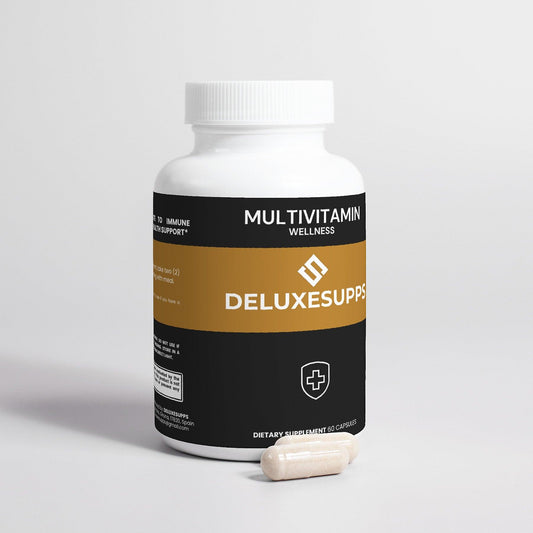
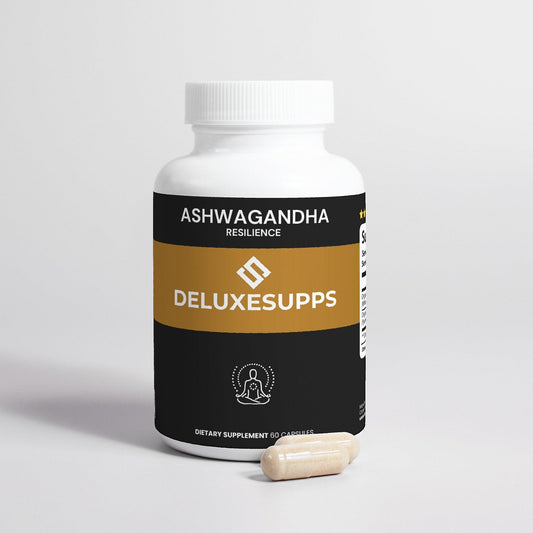
Front‑load the day with protein, fiber, and water. Eat regular meals to avoid blood‑sugar swings that can amplify irritability. At gatherings, build plates around simple proteins, vegetables, and whole grains, then add treats mindfully. Some individuals choose a foundational multivitamin to support general dietary coverage; see the Complete Multivitamin. Others explore botanicals traditionally used for balance, such as Ashwagandha, or fungi blends like Mushroom Complex. Consult a qualified professional for personal guidance.
Step 5 — Use micro-movement to regulate stress
Short bouts are effective when schedules are tight. Try 10 minutes of brisk walking after meals, a brief mobility circuit, or a few sets of bodyweight movements between tasks. Movement assists focus, supports mood, and offsets sedentary time from travel or long meals. Prioritize consistency over intensity.
Step 6 — Create digital boundaries
Constant notifications elevate cognitive load. Set app timers, move social icons off the home screen, and define device‑free windows around meals and sleep. For group chats, mute threads during events and catch up in one batch. Fewer interruptions calm the nervous system and help you stay present.
Step 7 — Practice brief recovery rituals
Use 2–5 minute resets between activities. Examples: paced breathing, a short outdoor walk, or writing three sentences to externalize worries. These micro‑practices lower stress carryover from one event to the next. Over the season, that compounding benefit preserves patience and clarity.
Questions and answers
How can I reduce overwhelm when time is limited?
Start with capacity first, then commitments. Pre‑allocate social hours per week, block one buffer day, and protect a fixed wind‑down before sleep. Batch tasks by context (shopping, cooking, travel prep) to minimize switching costs. When in doubt, choose the smallest viable action that still moves your plan forward.
What if family dynamics increase tension?
Set clear arrival and departure times in advance. Prepare a calm exit script (for example, “I need to step outside for fresh air; I will be back in five minutes”). Pair exposure with recovery: a short walk, hydration, or paced breathing before rejoining. If a topic is unproductive, redirect to neutral ground such as logistics or shared plans.
Can supplements play a supportive role?
They can complement, not replace, foundational habits such as sleep, nutrition, hydration, and movement. Many people begin with a broad‑spectrum multivitamin; others consider botanicals or functional mushrooms as part of a balanced routine. Explore options responsibly and consult a professional if you have questions. To review a curated range, visit Shop all.
Summary
Seasonal demands do not have to dictate your state. With clear priorities, simple budgets, sleep anchors, steady nutrition, movement snacks, and micro‑recoveries, you can preserve focus and steadiness. Protect your mental health during holidays by choosing small, repeatable practices that compound over time. For supportive essentials, consider the Complete Multivitamin and explore the full range at Shop all. This article is for informational purposes only and does not substitute professional advice.
About the author
Deluxesupps Deluxesupps shares practical, evidence‑informed wellness guidance that fits busy lives. With a focus on simple routines, the team curates tools that support steady energy, clarity, and balanced daily habits. Thank you for reading, and take good care this season.
The content in this blog post is intended for general information purposes only. It should not be considered as professional, medical, or legal advice. For specific guidance related to your situation, please consult a qualified professional. The store does not assume responsibility for any decisions made based on this information.