










Updated on: 2026-01-04
This guide explains how a calm-supporting mineral can fit into a simple wellness routine. You will learn about forms, quality markers, dosage considerations, and practical buying tips. The article also compares common options and provides a concise checklist to help you choose with confidence. The goal is to help you make informed, responsible decisions while keeping your routine clear and sustainable.
Table of Contents
- Introduction
- Understanding Calm Support
- Understanding calm support (keyword-focused)
- Did You Know?
- Comparison: Pros & Cons
- Buyer’s Checklist
- Final Thoughts & Advice
- Q&A Section
- Which form is gentle and well tolerated?
- When should it be taken for best effect?
- Can it be combined with other supplements?
- About the Author Section
- Deluxesupps Deluxesupps
Introduction
Many people explore magnesium for relaxation as part of a steady routine that supports a calm mind and body. This article provides an evidence-aware overview you can use today. It focuses on common forms, how they differ, what to check on a label, and how to build a plan that is simple, consistent, and tailored to your needs. You will also find a buyer’s checklist and answers to frequent questions to help you act with clarity.
While this mineral is widely used for wind-down routines and general nervous system support, no single approach suits everyone. Start with the basics: know your goals, choose a form that matches your tolerance, and keep the rest of your lifestyle—sleep habits, light exposure, movement, and nutrition—aligned with calm. This practical method reduces guesswork and helps you evaluate results over time.
Understanding Calm Support
Magnesium is an essential mineral involved in nerve transmission, muscle function, and energy production. In the context of calm support, it is often chosen to complement routines that include consistent sleep schedules, reduced evening screen time, and adequate hydration. The form you select can influence comfort and digestion, and the dose should be matched to personal tolerance. It is useful to begin on the low end of the suggested range and adjust gradually.
Dietary sources include leafy greens, legumes, nuts, seeds, and whole grains. Many people also consider supplements to help close intake gaps created by modern diets. If you are comparing options or building a routine with multiple products, you can review a broad selection at Shop all. Always read the Supplement Facts panel carefully and verify serving size, amount per serving, and additional ingredients.
Some forms are designed to be gentle on the stomach, while others focus on specific outcomes such as regularity or ease of mixing. Each has trade-offs. The goal is to match the profile to your day-to-day needs while maintaining good habits such as steady meal timing and a consistent bedtime routine.
Understanding magnesium for relaxation
This section highlights how the mineral fits into a calm-first approach. Consider form, dosage, and timing with the least complexity possible. Begin with evening placement if it fits your schedule, track your response for at least one to two weeks, and adjust one variable at a time. Keep notes on sleep routine, caffeine intake, and screen exposure, since small changes in these areas can influence overall calm and recovery.
Did You Know?
- More than 300 enzymes rely on this mineral for normal function, including those involved in energy and nerve activity.
- Leafy greens get their green color from chlorophyll, which contains magnesium at its core.
- Dietary patterns that are low in whole grains, legumes, and nuts often provide less of this nutrient.
- Gentle, divided serving sizes can help improve comfort compared with a single large amount.
- Consistency and sleep hygiene often amplify the perceived benefits of a calm-focused routine.
Comparison: Pros & Cons
-
Glycinate (chelated)
- Pros: Generally gentle; suitable for evening routines; often well tolerated.
- Cons: Usually higher cost than basic forms; capsule size can be larger.
-
Citrate
- Pros: Popular and widely available; mixes well in powders; practical for gradual dosing.
- Cons: Can loosen stools at higher amounts; not ideal for those sensitive to digestive changes.
-
Malate
- Pros: Often comfortable for daytime use; balanced profile for routine intake.
- Cons: Less common than citrate or glycinate; product selection may be narrower.
-
Oxide
- Pros: Budget-friendly; high elemental content per capsule.
- Cons: Lower bioavailability compared with chelates; more likely to affect digestion.
-
Topical (lotions, oils)
- Pros: Non-oral option; convenient for local application and evening routines.
- Cons: Absorption can vary; evidence for systemic effects is mixed.
Pairing strategies can also be helpful. Some individuals combine a gentle chelated form with a steady wind-down routine and a calming adaptogen. If you are exploring complementary options, consider Ashwagandha as part of an evening plan. Keep the plan simple, change one thing at a time, and document your response.
Buyer’s Checklist
- Purpose: Clarify your goal (evening routine, daytime steadiness, or general intake support).
- Form: Choose gentle chelates for tolerance or citrate for flexible dosing; avoid forms that have not suited you in the past.
- Dosage: Start low; increase gradually within labeled guidance; use divided servings if needed.
- Label clarity: Confirm serving size, amount per serving, and the specific compound (glycinate, citrate, etc.).
- Excipients: Review non-active ingredients for sweeteners, dyes, or allergens that you prefer to avoid.
- Testing: Favor brands that describe quality controls and batch testing for identity and purity.
- Timing: Align use with your schedule; consider evening if you associate your routine with calm.
- Stack planning: If you combine products, make changes one at a time; consider a curated approach with Create your bundle.
- Availability: Ensure reliable restock and delivery timelines; review Shipping before checkout.
Final Thoughts & Advice
Keep your plan clear and consistent. A calm routine works best when supported by steady habits: regular meals, a fixed bedtime, reduced late-day caffeine, and lower evening light exposure. Start with one form, one dose, and one time of day. Track your response for at least a week before making adjustments. If you prefer a ready-to-review selection, browse options and compare fit at Shop all. Used thoughtfully, magnesium for relaxation can be part of a simple, sustainable routine. This content is for informational purposes only and does not replace personalized guidance.
Q&A Section
Which form is gentle and well tolerated?
Many people find chelated options, such as glycinate, to be comfortable for evening use and easy on the stomach. Malate is also a balanced choice and can work well during the day. If you are sensitive to digestive changes, begin with a chelate, use a lower serving, and increase gradually only if needed.
When should it be taken for best effect?
Choose a time that matches your routine and stick with it. Evening use is common in wind-down plans, while daytime placement may suit steady intake. Avoid taking it at the exact same time as other minerals that might compete for absorption, and observe how timing influences your sense of calm and comfort over several days.
Can it be combined with other supplements?
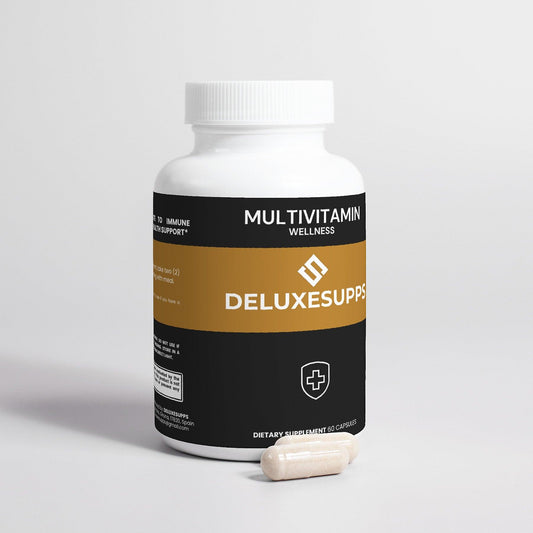
Yes, many people pair this mineral with simple foundations such as a multivitamin or an adaptogen-centered evening plan. If you are building a basic daily stack, you can review options like a balanced multivitamin at Complete Multivitamin and an adaptogen such as Ashwagandha. Make one change at a time and watch for how the full routine affects your day and evening.
About the Author Section
Deluxesupps Deluxesupps
Deluxesupps Deluxesupps creates practical, education-first resources on supplements, routines, and smart buying. Our team focuses on clarity, label literacy, and simple habits that support everyday calm and performance. Thank you for reading, and we hope this guide helps you choose with confidence.
The content in this blog post is intended for general information purposes only. It should not be considered as professional, medical, or legal advice. For specific guidance related to your situation, please consult a qualified professional. The store does not assume responsibility for any decisions made based on this information.