




Updated on: 2025-11-27
Table of Contents
-
Practical Guide to Natural Dietary Supplements
- Step 1: Clarify goals and narrow categories
- Step 2: Choose forms, serving sizes, and timing
- Step 3: Verify quality, sourcing, and certifications
- Step 4: Read labels for ingredients and allergens
- Step 5: Build a simple routine and avoid overlap
- Step 6: Monitor, measure, and adjust
- Step 7: Store, handle, and reorder responsibly
- Key Advantages of Natural Dietary Supplements
- Summary and Next Steps for Natural Dietary Supplements
- Q&A: Natural Dietary Supplements
- About the Author: Deluxesupps Deluxesupps
Natural dietary supplements can be a useful addition to a balanced lifestyle when selected with care and used as directed on the label. This article focuses on how to evaluate natural dietary supplements, including organic dietary supplements, herbal dietary supplements, and vitamin supplements, in a responsible and informed way. The content emphasizes quality signals, ingredient transparency, and practical steps to build a simple, sustainable routine. It does not make medical claims, and it encourages thoughtful, label-driven choices aligned with personal goals and preferences.
Practical Guide to Natural Dietary Supplements
Step 1: Clarify goals and narrow categories
Start by identifying the main purpose for considering natural dietary supplements. Common consumer goals include general wellness support, convenient nutrient coverage, or targeted categories such as botanicals, mushrooms, or minerals. If the goal is broad coverage, many consumers evaluate vitamin supplements or a balanced multivitamin. If the goal relates to botanical diversity, herbal dietary supplements may be considered. For those who prioritize production standards and traceability, organic dietary supplements can help meet those preferences. A clear goal simplifies choices and reduces overlap across products.
Step 2: Choose forms, serving sizes, and timing
Capsules, tablets, softgels, powders, and liquids each offer distinct conveniences. Capsules and tablets favor portability and consistent servings. Powders can be measured flexibly and mixed with drinks. Liquids favor quick ingestion. Select the format that you can take consistently and that aligns with your daily routine. Serving sizes differ by product, so compare the number of servings per container rather than only total capsule count. Timing is printed on supplement labels; aligning with label directions supports consistent use. Many consumers also prefer simplicity, such as one or two core products that fit the day smoothly.
Step 3: Verify quality, sourcing, and certifications
Quality signals help distinguish among natural dietary supplements. Check whether the brand describes manufacturing standards such as Good Manufacturing Practice (GMP). Review ingredient sourcing statements, especially for botanicals and functional mushrooms. For organic dietary supplements, look for a recognized organic seal where applicable. Independent audits, where mentioned by brands, can indicate quality oversight. These checks do not guarantee specific outcomes but can help you choose products with robust documentation and transparent labeling.
Step 4: Read labels for ingredients and allergens
Labels disclose active ingredients, serving sizes, and other added components such as capsule materials, sweeteners, stabilizers, or flavorings. If you prefer minimal additives, choose straightforward formulas with clearly listed components. Screen for allergens that may be relevant to you. For herbal dietary supplements and mushroom blends, labels often list species, plant parts, or extract ratios. For vitamin supplements, labels display nutrient amounts and forms. Transparency helps you compare products on facts that matter, such as composition, concentration, and serving guidance.
Step 5: Build a simple routine and avoid overlap
When combining products, reduce redundancy. For example, if you select a multivitamin for baseline coverage, avoid additional products that duplicate the same nutrients at similar amounts. If you choose a mushroom blend for category diversity, review its label before adding other, similar blends. Keep the routine simple: a core foundation plus one or two targeted additions. Many consumers find it easier to stay consistent when the routine fits naturally into morning or evening habits.
Step 6: Monitor, measure, and adjust
Track practical signals such as adherence, convenience, taste, and personal tolerance. If an option is difficult to take consistently, a different format or serving schedule may be more practical. Reassess every few weeks by comparing labels, servings, and your routine. Making incremental adjustments based on objective observations supports steady, sustainable habits.
Step 7: Store, handle, and reorder responsibly
Follow storage instructions on each label. Keep products sealed, away from moisture and direct heat. Note best-by dates and plan reorders to maintain continuity rather than making abrupt changes. When finished with a product, recycle containers where possible. Responsible handling supports quality and consistency over time.
Key Advantages of Natural Dietary Supplements
- Clear labeling and format choice: Consumers can select capsules, tablets, powders, or liquids to fit daily routines with precision.
- Ingredient transparency: Many natural dietary supplements disclose forms, sources, and serving amounts for straightforward evaluation.
- Category breadth: Options span vitamin supplements, herbal dietary supplements, and functional mushrooms to suit varied preferences.
- Standards and certifications: Organic dietary supplements and audited facilities can signal consistent manufacturing practices.
- Customizable routines: Users can build a simple foundation and add targeted products without excessive complexity.
For shoppers who want to browse a broad selection, consider reviewing the full catalog to compare labels, forms, and serving sizes in one place: All products.
Summary and Next Steps for Natural Dietary Supplements
Natural dietary supplements can be selected with a practical, label-first approach. Start with a clear goal, choose a format you can take consistently, verify quality signals and certifications, and build a simple routine without redundancy. Organic dietary supplements may align with buyers who prioritize production standards. Herbal dietary supplements and mushroom blends can broaden category diversity, while vitamin supplements can provide baseline nutrient coverage as directed on labels.
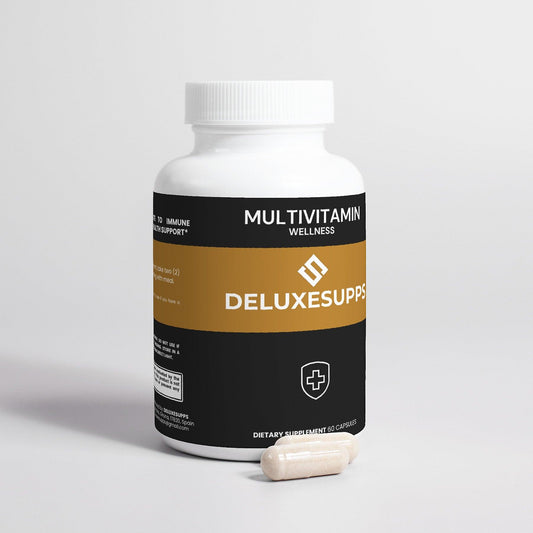
If your focus is broad nutrient coverage, you may compare multivitamin options by servings, nutrient forms, and capsule counts here: Complete Multivitamin. For those interested in category diversity, some consumers look at functional mushroom blends and assess species lists, extract ratios, and serving sizes here: Mushroom Complex 10x. To streamline shopping and avoid duplication, you can organize a simple, cohesive routine with a single checkout flow here: Create your bundle.
Throughout your evaluation, keep your goals at the center, rely on label details, and make small adjustments as your routine evolves. This structured approach supports confident decisions across natural dietary supplements, including organic dietary supplements, herbal dietary supplements, and vitamin supplements.
Q&A: Natural Dietary Supplements
Are natural dietary supplements safe to use?
Safety depends on the specific product, its ingredients, serving instructions, and your personal circumstances. Always review the Supplement Facts panel, read all directions, and follow the label. Consider allergens and any ingredient sensitivities you may have. If you have questions about a particular product, check brand documentation and quality statements. Natural dietary supplements vary across categories, including organic dietary supplements and herbal dietary supplements, so it is prudent to select options with clear labeling and transparent sourcing.
How do I choose the right natural dietary supplements for me?
Begin with your primary goal, then narrow the field. If you want broad nutrient coverage, evaluate vitamin supplements or a multivitamin by serving size, number of servings per container, and nutrient forms. If you prefer category diversity, review herbal dietary supplements or functional mushrooms, paying attention to species lists or extract ratios. For buyers who emphasize production standards, consider organic dietary supplements with recognizable certifications. Compare only a few products at once, focus on labels, and match the format to your routine. To compare options side by side, you can use this resource: All products.
What is the difference between organic dietary supplements and herbal dietary supplements?
Organic dietary supplements focus on production standards and certification where applicable. Herbal dietary supplements focus on botanicals as the core ingredients. A product can be both organic and herbal if it contains certified organic botanicals and meets the relevant certification requirements. When evaluating either, review the label, serving size, and any available sourcing information. If comparing similar products, align your decision with your preferences for production standards, ingredient type, and routine simplicity.
Which options are often considered among the best natural dietary supplements for immunity or the top natural dietary supplements for energy and focus?
Preferences vary widely. Many consumers look at vitamin supplements for baseline coverage and select category-specific options for their personal goals. For category diversity, some users evaluate blends that include mushrooms or botanicals and compare species, serving sizes, and formats. As with any product, rely on label directions and choose items that fit your routine. For browsing and organization, consider building a simple set that is easy to maintain over time using a streamlined tool such as Create your bundle.
Note: The information in this article is educational and does not provide medical advice, diagnosis, or treatment. Always follow product labels and consider seeking professional guidance if you have specific questions about ingredients or your personal circumstances.
About the Author: Deluxesupps Deluxesupps
Deluxesupps Deluxesupps
Deluxesupps Deluxesupps specializes in clear, practical guidance on supplements, labeling, and category comparisons. With experience across vitamins, botanicals, and functional mushrooms, Deluxesupps emphasizes transparency and usability. Thank you for reading, and feel free to explore resources that support a simple, consistent routine.
The content in this blog post is intended for general information purposes only. It should not be considered as professional, medical, or legal advice. For specific guidance related to your situation, please consult a qualified professional. The store does not assume responsibility for any decisions made based on this information.