







Updated on: February 19, 2026
Clinically tested health products represent a significant advancement in the supplement and wellness industry, offering consumers science-backed solutions with verified efficacy and safety profiles. Understanding the importance of clinical validation helps individuals make informed decisions about their health investments. This guide explores the benefits, challenges, and key considerations when selecting products that have undergone rigorous scientific evaluation.
Table of Contents
- Understanding Clinically Tested Health Products
- The Importance of Clinical Validation
- Common Challenges in Product Selection
- Key Features and Comparison
- Summary and Recommendations
- Frequently Asked Questions
- About the Author
Understanding Clinically Tested Health Products
Clinically tested health products have undergone rigorous scientific evaluation to demonstrate their safety, efficacy, and quality standards. These products are formulated based on peer-reviewed research and have been evaluated through controlled human trials or laboratory studies. The distinction between clinically validated supplements and unverified alternatives lies in the transparency of research data and adherence to regulatory guidelines.
The supplement industry has evolved significantly over the past decade, with consumers increasingly demanding evidence-based solutions. Manufacturers of clinically tested health products invest substantially in research and development to ensure their formulations deliver measurable results. This commitment to scientific rigor distinguishes premium offerings from products making unsubstantiated claims.
When selecting wellness solutions, understanding the difference between marketing claims and verified scientific evidence is crucial. Clinical testing involves multiple phases, including ingredient purity assessment, stability testing, and human subject trials. Products displaying clinical validation typically include documentation of their research methodologies and results, allowing consumers to verify claims independently.

Laboratory scientist examining supplement ingredients under microscope for purity verification.
The Importance of Clinical Validation
Clinical validation serves as the cornerstone of consumer trust and product reliability. When manufacturers invest in clinical research, they demonstrate commitment to delivering effective formulations that meet established safety standards. This process involves collaboration with independent laboratories, medical professionals, and research institutions to ensure objective evaluation.
The validation process typically includes testing for bioavailability, which measures how effectively the body absorbs and utilizes active ingredients. Clinically tested health products undergo assessment for potential interactions with medications, contraindications, and adverse effects. These comprehensive evaluations provide consumers with confidence that their wellness investments are supported by scientific evidence.
Regulatory bodies such as the Food and Drug Administration establish guidelines that manufacturers must follow when making health claims. Clinically tested formulations align with these regulatory requirements and often exceed minimum standards. This commitment to compliance ensures that products reaching the market maintain consistent quality and potency throughout their shelf life.
The transparent communication of clinical results builds consumer confidence and establishes long-term brand credibility. Manufacturers willing to publish their research findings in peer-reviewed journals demonstrate transparency and scientific integrity. Such openness allows healthcare professionals and consumers to evaluate the strength of evidence supporting product claims.
Common Challenges in Product Selection
Despite the growing availability of clinically tested health products, consumers face several challenges when navigating the marketplace. One primary obstacle involves distinguishing between legitimate clinical studies and marketing-driven research. Some manufacturers commission proprietary studies that may lack the rigor and independence of third-party evaluations.
Information overload represents another significant challenge, as consumers encounter countless product options with varying claims and price points. Without understanding how to evaluate clinical evidence, individuals may struggle to identify products offering genuine value. This knowledge gap often leads to purchases based on marketing appeal rather than scientific merit.
Cost considerations also impact product selection, as clinically tested formulations often command premium pricing compared to unvalidated alternatives. However, this investment frequently translates to superior quality, efficacy, and safety outcomes. Understanding the long-term health benefits can help consumers justify initial expenditures on verified products.
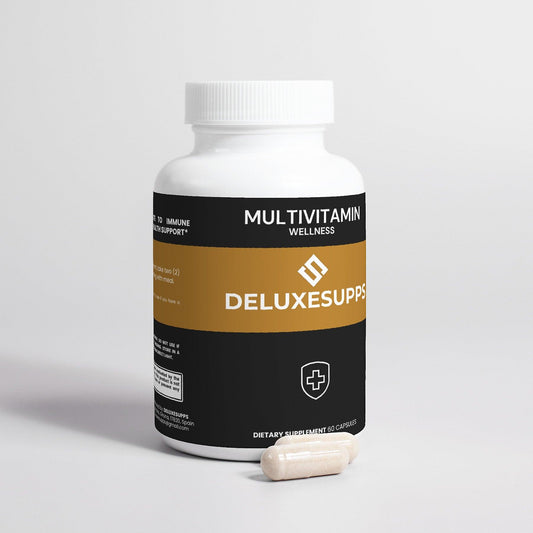
Additionally, deciphering complex ingredient lists and understanding dosage science requires technical knowledge. Consumers benefit from selecting complete multivitamin formulations that provide transparent ingredient disclosures and recommended usage guidelines. Clear labeling and accessible educational resources help demystify the selection process.

Consumer reading product label displaying verified clinical testing information and ingredient transparency.
Key Features and Comparison
When evaluating clinically tested health products, several essential features distinguish quality options from inferior alternatives. Consider examining whether manufacturers provide third-party testing certificates, documentation of clinical studies, and transparent ingredient sourcing. Products displaying these credentials demonstrate commitment to quality assurance and consumer protection.
Essential Product Characteristics
- Third-Party Verification: Independent testing by accredited laboratories confirms ingredient accuracy and purity standards.
- Published Research: Access to peer-reviewed studies or clinical trial data validates efficacy claims.
- Transparent Labeling: Clear ingredient lists with precise dosage information and potential allergen warnings.
- Quality Certifications: Compliance with Good Manufacturing Practices and regulatory standards.
- Scientific Backing: Formulations developed by qualified researchers and health professionals.
- Customer Support: Responsive customer service and accessible educational resources about product benefits.
The premium quality found in scientifically formulated supplements justifies their higher cost through superior bioavailability and effectiveness. When comparing products, evaluate the strength of clinical evidence supporting each option rather than relying solely on brand reputation or marketing claims.
Consumers should prioritize products that provide detailed information about their research methodology, including sample size, duration, and measured outcomes. Products offering this transparency typically demonstrate superior confidence in their formulations and commitment to consumer education. Additionally, examining whether manufacturers conduct post-market surveillance and customer feedback integration indicates ongoing quality optimization.
Summary and Recommendations
Selecting clinically tested health products requires informed decision-making based on scientific evidence and transparent manufacturer practices. The investment in verified, research-backed formulations yields significant long-term health benefits compared to unvalidated alternatives. By prioritizing products with clinical validation, third-party testing, and transparent ingredient sourcing, consumers can confidently support their wellness objectives.
Expert recommendations emphasize the importance of consulting healthcare professionals before introducing new supplements into daily routines. Medical practitioners can assess individual health status, identify potential medication interactions, and recommend personalized product selections. This collaborative approach ensures that chosen formulations align with specific health goals and medical history.
Consumers are encouraged to research manufacturer credentials, examine published clinical data, and seek products from established brands demonstrating consistent quality standards. Exploring comprehensive product collections from reputable manufacturers provides access to multiple clinically tested options meeting diverse wellness needs. Starting with foundational wellness products and gradually incorporating specialized formulations allows individuals to assess personal tolerance and effectiveness.
Building a sustainable wellness routine involves selecting products that combine scientific validation with practical usability. High-quality clinically tested health products should integrate seamlessly into daily schedules while delivering measurable health outcomes. By establishing these practices, individuals position themselves for long-term wellness success supported by scientific evidence and quality assurance.
Frequently Asked Questions
What distinguishes clinically tested health products from regular supplements?
Clinically tested health products have undergone rigorous scientific evaluation involving controlled studies, ingredient verification, and efficacy measurements. Regular supplements may lack independent verification or peer-reviewed research supporting their claims. Tested products typically provide documented evidence of safety, potency, and measurable health benefits, whereas untested supplements rely primarily on manufacturer assertions without third-party validation.
How can consumers verify that a product is genuinely clinically tested?
Legitimate clinically tested formulations display documentation of independent laboratory testing, provide references to published clinical studies, and list certifications from recognized regulatory bodies. Consumers should request certificates of analysis from manufacturers and examine whether research data is publicly available through scientific databases or manufacturer websites. Transparency in providing this information indicates genuine commitment to clinical validation and quality assurance.
Are clinically tested health products safe for everyone?
While clinically tested health products meet rigorous safety standards, individual responses vary based on personal health status, medication interactions, and potential allergies. Pregnant individuals, nursing mothers, and people taking medications should consult healthcare professionals before beginning new supplement regimens. Clinical testing establishes general safety profiles, but personalized medical guidance ensures that selected products align with individual health circumstances and medical requirements.
Why do clinically tested products cost more than alternatives?
The higher cost reflects investments in research, development, third-party testing, quality assurance, and compliance with regulatory standards. Manufacturers conducting clinical trials, publishing research, and maintaining quality certifications incur substantial expenses that translate to product pricing. This investment typically yields superior bioavailability, effectiveness, and safety compared to less expensive alternatives, making the premium cost justified for health-conscious consumers.
How should consumers establish appropriate dosage for clinically tested supplements?
Recommended dosages appear on product labels based on clinical trial results and safety data. Consumers should strictly adhere to suggested usage guidelines unless healthcare professionals recommend alternative dosing based on individual circumstances. Starting with lower doses and gradually increasing amounts allows individuals to assess tolerance and effectiveness while minimizing potential adverse reactions.
About the Author
Deluxesupps Wellness Education Team
The Deluxesupps team comprises experienced health and nutrition specialists dedicated to providing evidence-based wellness education. With extensive expertise in supplement formulation, clinical research methodology, and consumer health advocacy, our authors create comprehensive content supporting informed decision-making. We remain committed to delivering accurate, scientifically-grounded information that empowers individuals to optimize their health outcomes through quality-tested products. Explore our detailed supplement guides for additional wellness insights.