






Updated on: February 18, 2026
This comprehensive guide explores proven stress management techniques designed to help you regain control of your mental and physical well-being. Discover practical methods including breathing exercises, mindfulness practices, physical activity, and lifestyle modifications that reduce cortisol levels and promote lasting calm. Learn how combining these evidence-based approaches with proper nutrition and supplementation creates a holistic foundation for managing daily pressures and building resilience.
Table of Contents
- Understanding Stress and Its Impact
- Breathing Exercises for Immediate Relief
- Mindfulness and Meditation Practices
- Physical Activity and Exercise
- Lifestyle Modifications for Long-Term Benefits
- Nutrition and Nutritional Support
- Expert Tips for Success
- Personal Experience with Stress Reduction
- Summary and Actionable Takeaways
- Frequently Asked Questions
- About the Author
Understanding Stress and Its Impact
Stress has become an inevitable part of modern life. Whether stemming from work demands, personal relationships, or health concerns, the pressure we experience affects both our mental clarity and physical health. When stress persists without effective management, it triggers the release of cortisol and adrenaline, hormones that prepare our body for fight-or-flight responses. While these hormones serve important functions during genuine threats, chronic elevation leads to anxiety, sleep disruption, weakened immunity, and cardiovascular complications.
Understanding stress management techniques is essential for anyone seeking to improve their quality of life. These methods work by interrupting the stress response cycle, lowering cortisol levels, and activating the parasympathetic nervous system, often called the "rest and digest" mode. The most effective approach combines multiple techniques tailored to individual preferences and lifestyle circumstances.
Breathing Exercises for Immediate Relief
Among the quickest and most accessible stress management techniques, controlled breathing offers immediate results. Your breathing pattern directly influences your nervous system. When stressed, breathing becomes shallow and rapid, which amplifies anxiety. By intentionally slowing and deepening your breath, you send signals to your brain that danger has passed.
The 4-7-8 technique represents one of the most popular methods. Inhale through your nose for a count of four, hold the breath for seven counts, then exhale through your mouth for eight counts. This pattern activates the parasympathetic nervous system and reduces heart rate within minutes. Practice this technique three to four times daily, particularly before challenging situations or bedtime.
Box breathing, another evidence-based approach, involves inhaling for four counts, holding for four, exhaling for four, and holding empty for four. This symmetrical pattern creates balance and calm. Military personnel and athletes frequently use this technique to maintain composure under pressure.

Person sitting peacefully with hand on chest, demonstrating controlled breathing with calm expression and natural light
Mindfulness and Meditation Practices
Mindfulness involves present-moment awareness without judgment. Rather than dwelling on past events or worrying about future outcomes, mindfulness anchors your attention to what exists right now. Meditation formalizes this practice through dedicated time and structured techniques.
Begin with just five to ten minutes daily. Find a quiet space, sit comfortably, and focus on your breath or a simple mantra. When your mind wanders, gently redirect attention without criticism. Consistency matters more than duration. Regular practitioners report reduced anxiety, improved emotional regulation, and enhanced resilience against future stressors.
Body scan meditation represents another valuable technique. Starting at your head and moving downward, mentally acknowledge each body part and release tension you discover. This practice develops awareness of how stress manifests physically and provides a method for releasing it systematically.
Physical Activity and Exercise
Physical movement ranks among the most powerful stress management techniques available. Exercise reduces stress hormones while increasing endorphins, the brain's natural mood-elevating chemicals. Cardiovascular activities like running, swimming, or cycling prove particularly effective, though any movement you enjoy provides benefits.
Aim for at least 150 minutes of moderate-intensity activity weekly. This could include brisk walking, dancing, or team sports. The key is selecting activities you genuinely enjoy so that exercise becomes sustainable rather than another obligation. High-intensity interval training offers time-efficient stress relief for busy individuals, delivering maximum benefits in shorter sessions.
Strength training also manages stress effectively by building confidence and providing a healthy outlet for accumulated tension. Yoga combines movement, breathing, and mindfulness, offering comprehensive stress reduction in a single practice.
Lifestyle Modifications for Long-Term Benefits
Sustainable stress management requires addressing daily habits and environmental factors. Sleep quality directly impacts stress resilience. Most adults need seven to nine hours nightly. Establish consistent sleep schedules, limit screen exposure before bedtime, and maintain a cool, dark sleeping environment.
Social connection provides powerful stress buffering. Regular interaction with friends, family, or community groups reduces feelings of isolation and provides practical and emotional support. Make time for relationships despite busy schedules, as these connections strengthen your resilience foundation.
Limit caffeine and alcohol consumption, as both can amplify anxiety and disrupt sleep. Consider setting boundaries around work communications outside business hours. Creating separation between professional and personal time prevents stress from consuming your entire day.
Time in nature offers measurable stress reduction. Spending just 20 minutes in a natural environment lowers cortisol levels and blood pressure. This could mean walking in a park, hiking, or simply sitting near trees and plants.

Natural outdoor setting with trees, water, and sunlight creating a peaceful environment for stress relief
Nutrition and Nutritional Support
Your diet significantly influences stress response and resilience. Nutrient deficiencies can worsen anxiety and mood disturbances. Complex carbohydrates, lean proteins, and healthy fats provide stable energy and support neurotransmitter production.
Certain nutrients directly support stress management. Magnesium regulates the stress response and promotes relaxation. Omega-3 fatty acids reduce inflammation and support brain health. B vitamins support energy metabolism and nervous system function. Antioxidant-rich foods protect against stress-induced cellular damage.
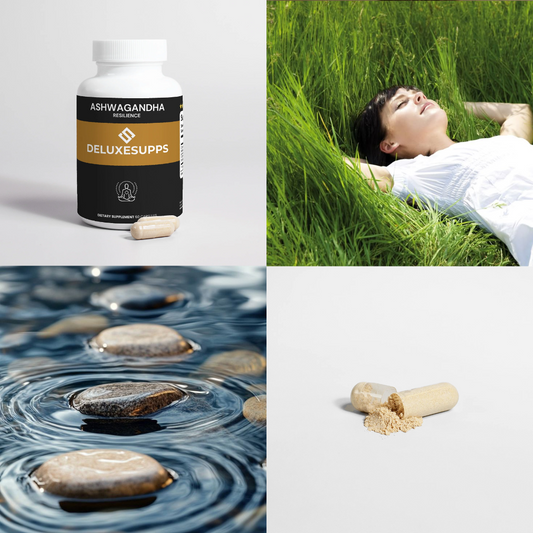
Supplements can bridge nutritional gaps when diet alone proves insufficient. Ashwagandha herbal supplement has demonstrated significant stress-reducing properties in clinical research. Mushroom complex formulations support immune function and mental clarity during stressful periods. A comprehensive complete multivitamin ensures adequate micronutrient levels for optimal stress resilience. Explore our complete collection of wellness products designed to support your stress management journey.
Expert Tips for Success
- Start small with one or two techniques rather than attempting everything simultaneously. This prevents overwhelm and allows you to develop sustainable habits.
- Schedule stress management activities like appointments. Treating them as non-negotiable commitments increases consistency and results.
- Track what works for you. Different techniques resonate with different individuals. Experimentation helps identify your most effective approaches.
- Combine complementary techniques. Pairing meditation with exercise or breathing work with nutritional support creates synergistic effects.
- Practice during calm moments, not just when stressed. This builds your capacity before high-pressure situations arise.
- Seek professional support when stress becomes overwhelming. Therapists and counselors provide personalized guidance beyond self-help approaches.
- Celebrate small victories. Acknowledging progress with stress management reinforces positive behavior change.
Personal Experience with Stress Reduction
I spent several years struggling with chronic anxiety that affected my sleep, relationships, and work performance. Recognizing the need for change, I began exploring stress management techniques systematically. Initially skeptical about meditation, I committed to just five minutes daily. The first week brought minimal change, but by week three, I noticed improved sleep quality and reduced morning anxiety.
Adding regular walking and dietary adjustments amplified these benefits. When I incorporated targeted nutritional support, my stress resilience improved noticeably. What truly transformed my experience was combining multiple approaches rather than relying on any single method. Today, my stress management routine includes daily meditation, regular exercise, deliberate breathing practices, and consistent nutrition. The cumulative effect created lasting calm and confidence.
Summary and Actionable Takeaways
Effective stress management combines breathing exercises, mindfulness practices, physical activity, lifestyle modifications, and nutritional support. These evidence-based approaches work synergistically to regulate your nervous system and build lasting resilience.
Start implementing these strategies today with these concrete actions:
- Choose one breathing technique and practice it three times daily this week.
- Schedule 20 minutes for walking or movement you enjoy three times weekly.
- Establish a consistent sleep schedule with a 30-minute wind-down routine.
- Evaluate your current nutrition and identify potential gaps in key stress-supporting nutrients.
- Consider supplementation where diet alone proves insufficient for optimal nutrient intake.
- Connect with one person this week for meaningful social interaction.
- Reassess after four weeks and adjust your approach based on what benefits you most.
Frequently Asked Questions
How long before stress management techniques produce noticeable results?
Breathing exercises and immediate relaxation techniques can reduce acute stress within minutes. However, building lasting resilience typically requires three to four weeks of consistent practice. Meditation, exercise, and lifestyle changes compound over time, with most people reporting significant improvements within six to eight weeks of dedicated implementation.
Can stress management techniques replace professional mental health treatment?
While these techniques effectively manage everyday stress and build resilience, they work best alongside professional support when dealing with anxiety disorders, depression, or trauma. Consider these approaches as complementary to therapy rather than replacement. A qualified mental health professional can assess your specific situation and recommend the most appropriate treatment combination.
What is the best stress management technique for someone with a busy schedule?
Breathing exercises require just two to five minutes and can be practiced anywhere. Walking provides stress relief while fitting into daily routines. If time is genuinely limited, focus on consistency with shorter practices rather than occasional lengthy sessions. Even five minutes of daily meditation produces measurable benefits over time.
How do nutritional supplements support stress reduction?
Certain herbs and nutrients directly influence stress response mechanisms. Ashwagandha reduces cortisol levels and promotes relaxation. Magnesium calms the nervous system. B vitamins support energy metabolism. Omega-3 fatty acids reduce inflammation associated with chronic stress. These supplements work best when combined with lifestyle changes, not as substitutes for them.
Is it better to focus on one stress management technique or combine multiple approaches?
Research supports combining multiple techniques for optimal results. While a single approach provides benefits, combining breathing work, physical activity, mindfulness, good sleep, and nutrition creates more comprehensive stress management. Start with one or two methods you find most appealing, then gradually add others as consistency develops.
How can I maintain stress management habits during particularly stressful periods?
High-stress periods make consistent practice most challenging yet most valuable. Reduce expectations during these times rather than abandoning practices entirely. Even brief daily meditation or a short walk provides meaningful benefits. Consider it stress management investment that prevents overwhelm from escalating further.
Are there quick techniques for managing acute stress at work or during unexpected situations?
Yes. Box breathing and the 4-7-8 technique work within minutes. Progressive muscle relaxation releases physical tension rapidly. The 5-4-3-2-1 grounding technique anchors you to the present moment. These approaches require no equipment and can be discreetly practiced in any environment, making them ideal for workplace situations.
What role does social connection play in stress management?
Social interaction activates the parasympathetic nervous system and provides both emotional and practical support. Regular connection with others significantly increases stress resilience and life satisfaction. Even brief positive interactions reduce cortisol levels. Prioritize relationships alongside other stress management techniques for comprehensive benefits.
Can physical exercise alone manage chronic stress?
Exercise provides substantial stress relief and should be part of any comprehensive approach. However, combining it with meditation, breathing practices, good sleep, and proper nutrition creates more robust stress management. The combination addresses stress through multiple biological and psychological pathways simultaneously.
How does mindfulness differ from other relaxation techniques?
Mindfulness develops present-moment awareness and observing thoughts without judgment. Traditional relaxation techniques like progressive muscle relaxation or guided imagery focus on achieving a specific relaxed state. Both approaches reduce stress, but mindfulness builds longer-term stress resilience by changing how you relate to thoughts and feelings. Combining both approaches offers complementary benefits.
Is it normal to feel restless when starting a meditation practice?
Yes, this is completely normal. Most beginners experience mind-wandering and physical restlessness. This does not mean meditation is ineffective. Notice these experiences without judgment and gently return attention to your breath. Consistency develops the ability to sustain focus naturally. The "restlessness" itself represents your mind releasing accumulated tension.
What supplements should I prioritize for stress management?
Start with a quality multivitamin to ensure baseline nutrient sufficiency. Ashwagandha demonstrates strong research support for stress reduction. Magnesium supports relaxation. Omega-3 fatty acids reduce inflammation. Consider these foundational options before adding more specialized supplements. Quality matters significantly, so choose reputable sources for your nutritional support.
How does chronic stress affect nutrient absorption and metabolism?
Chronic stress impairs digestive function and nutrient absorption while increasing nutrient depletion through stress hormone production. This creates a cycle where stress worsens nutrient status, which further impairs stress resilience. Supporting nutrition through diet and targeted supplementation interrupts this cycle and improves your capacity to manage ongoing pressure.
Can these stress management techniques help with sleep problems related to stress?
Absolutely. Breathing exercises, meditation, and physical activity all improve sleep quality. Establishing consistent routines and limiting caffeine support better sleep. Certain supplements like magnesium promote relaxation and sleep onset. Addressing stress directly through these techniques often resolves stress-related sleep disturbances more effectively than sleep medication alone.
What is the importance of consistency in stress management?
Consistency builds neural pathways that strengthen your stress resilience over time. Occasional practice provides temporary relief. Daily practice creates lasting change in how your nervous system responds to stress. Even brief daily commitment produces better results than sporadic lengthy sessions. Treat stress management like physical fitness, where regular practice builds capacity gradually but persistently.
How can I prevent stress management from becoming another source of stress?
Keep it simple and aligned with your genuine preferences. Practice activities you actually enjoy rather than forcing yourself through techniques that feel burdensome. Start small and build gradually. Give yourself grace during imperfect implementation. The goal is sustainable improvement, not perfection. If a technique consistently feels pressuring, replace it with something more appealing.
Is there a best time of day to practice stress management techniques?
Morning practice sets a calm tone for your entire day. Evening practice improves sleep quality. Practicing during high-stress moments offers immediate relief. The best time is whatever you will consistently maintain. Many people benefit from both morning and evening practices plus on-demand techniques during challenging moments throughout the day.
How do I know if my stress management approach is working?
Track observable changes: improved sleep quality, better emotional regulation, lower resting heart rate, fewer anxious thoughts, improved focus, and better relationship quality. Notice whether stressors still arise but affect you less intensely. Track mood and stress levels weekly to identify patterns. Most people recognize significant improvements within four to eight weeks of consistent practice.
What if I have tried stress management techniques and they have not helped?
Inconsistent practice often explains limited results. Ensure you have genuinely committed for several weeks. Consider whether you need professional support, as severe anxiety or depression may require clinical treatment. Different techniques resonate with different people, so continued experimentation may be necessary. Combining approaches usually produces better results than relying on single methods.
Can stress management techniques help prevent stress-related illness?
Yes, comprehensive stress management strengthens immune function, reduces inflammation, and supports cardiovascular health. Regular practice lowers cortisol and adrenaline, reducing physical wear and tear from chronic stress. Early intervention prevents stress-related conditions from developing. The preventive value of consistent stress management ranks among its most important benefits.
How should someone choose which stress management techniques to prioritize?
Consider your lifestyle, preferences, and schedule. People who enjoy physical activity should prioritize exercise. Those preferring quiet practices should focus on meditation or breathing work. Beginners often succeed best starting with breathing techniques and walking before adding meditation. Your choice matters less than genuine commitment to whichever approach resonates with you personally.
What is the relationship between stress management and long-term health outcomes?
Chronic stress contributes to nearly every major disease category. Effective stress management reduces cardiovascular disease risk, improves immune function, supports healthy weight management, and promotes longevity. The health benefits extend far beyond immediate stress relief, affecting decades of future health outcomes. Viewing stress management as a core health practice rather than optional self-care helps prioritize its importance.
Are there any risks or contraindications to stress management techniques?
Most techniques are safe for general populations. Meditation or breathing work occasionally surfaces suppressed emotions or traumatic memories. Working with a qualified professional helps navigate these experiences. Physical activity requires consideration of any existing health conditions. Nutritional supplements should be chosen appropriately based on individual health status and medications. Overall, risks are minimal compared to benefits when implemented thoughtfully.
How can I create a sustainable stress management routine that lasts long-term?
Start small with techniques you genuinely enjoy. Build gradually as habits solidify. Schedule practices like important appointments. Connect with others pursuing similar goals. Track progress to maintain motivation. Allow flexibility for life changes while maintaining core practices. Focus on progress rather than perfection. Most importantly, recognize stress management as a lifelong practice that evolves with changing life circumstances rather than a temporary project.
What role does purpose and meaning play in stress management?
Strong sense of purpose and meaning significantly increases stress resilience. Activities aligned with your values and goals create motivation to persist through challenges. Identifying your core values and ensuring daily actions reflect them reduces existential stress. Combining purposeful living with practical stress management techniques creates the most comprehensive approach to well-being and resilience.
How do I explain stress management importance to family members or colleagues?
Share concrete benefits you personally experience: better sleep, improved mood, enhanced focus, or improved relationships. Explain that stress management is performance enhancement, not weakness admission. Invite others to try brief practices together rather than promoting individual practice. Demonstrating results through consistent practice proves more persuasive than explanation alone. Your improved well-being becomes the most compelling invitation others could receive.
Can stress management techniques help with work-related stress specifically?
Yes, absolutely. Breathing exercises manage acute stressful moments at work. Morning meditation improves emotional regulation throughout your workday. Exercise provides stress outlet after work. Good sleep supports better decision-making and stress resilience. Setting boundaries between work and personal time prevents constant activation. Combined, these approaches create substantial improvement in work stress and professional performance.
What scientific evidence supports these stress management techniques?
Extensive peer-reviewed research demonstrates benefits of meditation, breathing work, exercise, and nutritional support for stress reduction. Brain imaging studies show meditation alters neural pathways associated with stress and anxiety. Cortisol level measurements validate breathing and relaxation techniques. Exercise research confirms mood elevation and stress reduction. Nutritional studies support specific supplements like ashwagandha. Evidence spans decades and consistently supports these approaches.
How can I adapt stress management techniques when traveling or during lifestyle disruptions?
Breathing exercises and meditation require no equipment and work anywhere. Walking provides stress relief in any location. Portable nutritional supplements maintain health continuity. Adjust expectations during disruptions but maintain core practices at reduced intensity. Brief practices consistently outperform abandoned routines. Flexibility within commitment prevents disruptions from completely derailing your stress management foundation.
Is professional help necessary for stress management, or can self-help approaches suffice?
Self-help approaches effectively manage everyday stress and build resilience for most people. Professional support becomes valuable when stress severely impacts functioning, when underlying anxiety or depression exists, or when self-help attempts have not produced adequate improvement. Many people benefit from combined approaches where they manage daily stress independently while periodically consulting professionals for guidance and deeper work.
How does age affect the effectiveness of different stress management techniques?
Stress management benefits individuals across all ages, though preferences may vary. Older adults often prefer walking and meditation. Younger individuals may favor intense exercise. Children benefit from movement and creative expression. The fundamental mechanisms remain consistent across ages. Adapting techniques to individual preference and physical capability ensures accessibility and consistency regardless of age.
Can stress management techniques help with anxiety-related physical symptoms?
Yes, physical symptoms like muscle tension, racing heart, and shallow breathing often respond quickly to breathing exercises and relaxation techniques. Progressive muscle relaxation directly releases physical tension. Regular movement improves overall physical resilience. Adequate nutrition supports nervous system health. Addressing stress physiologically often resolves associated physical symptoms. For persistent physical symptoms, medical evaluation remains important to rule out underlying conditions.
What is the connection between gratitude practice and stress management?
Gratitude practice shifts focus toward positive aspects of life, counteracting stress-induced negative thought patterns. Regularly acknowledging positive elements in your life improves mood and builds emotional resilience. Gratitude integrates well with meditation and mindfulness practices. Research demonstrates that consistent gratitude practice measurably reduces stress and improves overall well-being. Including a brief gratitude reflection in your daily practice amplifies stress management benefits.
How can someone with skepticism toward meditation still benefit from stress management techniques?
Meditation is one valuable tool among many. People preferring alternative approaches can emphasize breathing exercises, physical activity, walking, or journaling. Evidence supports multiple pathways to stress reduction. Finding techniques that genuinely resonate with your beliefs and personality ensures sustainable practice. Skepticism matters less than willingness to experiment and discover what actually works for you personally.
What distinguishes acute stress management from chronic stress resilience building?
Acute stress techniques like breathing exercises and grounding provide immediate relief during specific stressful moments. Chronic stress resilience builds through consistent daily practices like meditation, exercise, good sleep, and nutrition that strengthen your nervous system over weeks and months. Both approaches matter. Acute techniques prevent escalation; chronic practices prevent the need for constant acute intervention.
How does hydration and basic self-care factor into stress management?
Dehydration worsens anxiety and cognitive function. Adequate water intake supports nervous system health. Sleep deprivation amplifies stress responses. Hygiene and basic self-care practices demonstrate self-respect and reinforce commitment to well-being. These foundational elements deserve inclusion in comprehensive stress management. Sometimes the most powerful stress relief comes from addressing forgotten basics before adding advanced techniques.
Can workplace culture changes support employee stress management?
Certainly. Supportive workplace environments enable stress management through flexibility, reasonable workloads, and psychological safety. Organizations implementing meditation rooms, exercise programs, and wellness initiatives demonstrate commitment to employee well-being. Individual practices become more sustainable within supportive systems. Advocating for workplace changes while implementing personal stress management creates comprehensive benefits.
What role does acceptance play in effective stress management?
Accepting what you cannot control while focusing energy on what you can reduces unnecessary stress. Resistance to unchangeable circumstances amplifies suffering. Acceptance does not mean passivity but rather realistic assessment of your influence. This shift in perspective, often developed through mindfulness and meditation, fundamentally improves stress resilience and well-being.
How can journaling support stress management efforts?
Writing about stressful experiences clarifies thinking, processes emotions, and creates psychological distance from distress. Journaling combines benefits of expression and reflection. Writing gratitude entries amplifies positivity. Tracking stress patterns through writing reveals triggers and effective responses. Journaling integrates easily with other stress management practices, providing a complementary outlet for processing emotions and experiences.
What distinguishes productive stress from harmful stress requiring active management?
Moderate stress from meaningful challenges motivates performance and growth. Chronic stress about uncontrollable circumstances or persistent overload damages health. Learning this distinction helps direct energy appropriately. Even productive stress benefits from management techniques that maintain equilibrium. The goal is not stress elimination but rather appropriate stress levels that motivate without damaging well-being.
How does laughter and humor factor into comprehensive stress management?
Laughter immediately reduces stress hormones and activates relaxation responses. Humor shifts perspective toward challenges. Social laughter strengthens relationships and connection. Incorporating humor into daily life through comedy, time with funny people, or lighthearted activities enhances overall stress management. Humor represents a powerful yet often underutilized stress management tool deserving explicit inclusion in your practice.
Can creative expression like art or music support stress management?
Creative activities engage different brain areas than stress processing, providing mental relief and perspective. Art, music, writing, and crafting offer healthy expression outlets. Creative practice builds focus and flow states that quiet anxious thoughts. Including creative outlets in your stress management routine diversifies your approach and provides enjoyable stress relief. The specific creative activity matters less than genuine engagement and enjoyment.
How important is environmental control in supporting stress management practices?
Your environment influences stress levels significantly. Creating calm spaces for meditation and sleep supports these practices. Minimizing environmental chaos reduces background stress. Natural light, plants, and pleasant sounds enhance well-being. While not always completely controllable, intentional environmental modifications support stress management efforts. Even small improvements in your immediate environment strengthen overall stress reduction.
What distinguishes resilience from simply managing symptoms?
Symptom management addresses immediate distress, valuable for acute situations. Resilience building strengthens your fundamental capacity to handle future stress. Consistent stress management practices develop resilience that transcends specific situations. Someone with strong resilience may still experience stress but recovers quickly and maintains functioning. Building resilience through consistent practice creates lasting benefits beyond temporary symptom relief.
How can someone track stress management progress over time?
Keep a simple log noting practices completed and how you felt. Rate stress levels daily on a scale. Track sleep quality and mood improvements. Notice changes in how you respond to triggers. Measure objective indicators like resting heart rate. Review progress monthly to identify patterns and improvements. Tangible progress tracking maintains motivation and demonstrates the value of consistent effort.