





Updated on: 2026-01-08
This guide explains how to evaluate and apply trauma treatment techniques with clarity and care. You will learn core approaches used by professionals, practical self-regulation skills that complement formal care, and ways to make consistent progress without overwhelm. The content is educational, avoids sensational claims, and focuses on steady, sustainable habits. Use it to navigate options, set realistic expectations, and build a supportive environment for recovery.
Table of Contents
- Introduction
- Evidence-Based Trauma Treatment Techniques
- Myths vs. Facts
- Personal Experience
- Final Thoughts & Takeaways
- Q&A Section
- What is the first step to start healing?
- How long does recovery usually take?
- What supports can help between sessions?
- About the Author
Introduction
Choosing the right path after distressing events can feel complex. A practical framework helps. This article clarifies how structured care works, why pacing matters, and which habits often support progress. It also outlines common misunderstandings that can stall momentum. The focus is on informed choices and steady practice rather than quick fixes.
You will find an overview of structured modalities, self-regulation skills, and ways to coordinate support. The aim is to help you discuss options confidently, monitor your response, and make adjustments. The guidance respects individual differences and avoids prescriptive advice, while highlighting approaches that have strong usage within clinical contexts. When in doubt, consult a qualified professional for personalized direction.
Evidence-Based Trauma Treatment Techniques
Structured care typically combines education, skills training, and gradual processing. Below are commonly used approaches and practical complements you can apply to daily routines.
Cognitive and exposure-based approaches: Cognitive processing strategies help examine beliefs formed after overwhelming events. They encourage balanced thinking, reduce avoidance, and build perspective. Exposure-based work, when conducted with adequate preparation, allows careful engagement with memories, cues, or situations in a paced way. This can lessen reactivity and expand daily functioning when undertaken with clinical guidance.
EMDR and adaptive processing: Eye movement–based protocols use bilateral stimulation while focusing on targeted memory nodes. Many individuals find this structure helps with emotional digestion and perspective taking. Preparation includes stabilization, identification of targets, and careful follow-up. As with any method, collaboration and pacing are essential.
Somatic and sensory strategies: Body-based practices support regulation through breathwork, grounding, gentle movement, and interoceptive awareness. Examples include paced breathing, orienting to the environment, and progressive muscle relaxation. These skills do not replace formal care, but they can improve stability between sessions by lowering baseline arousal and building tolerance for triggers.
Mindfulness and compassion-based skills: Brief, nonjudgmental attention to present-moment experience can reduce rumination. When paired with self-kindness, this lowers the pressure to “perform” recovery. Start with short, frequent practices. Many people find two to five minutes of guided breathing or sensory noticing more sustainable than longer sessions early on.
Skills for safety and daily functioning: Practical tools include crisis planning, cue identification, scheduling nourishing routines, and setting boundaries. Structure daily anchors such as consistent wake times, hydration, and movement. These predictable habits reduce cognitive load and create room for therapeutic work to unfold.
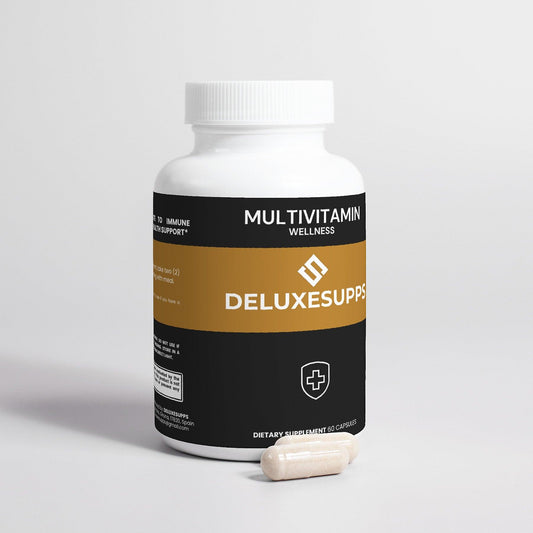
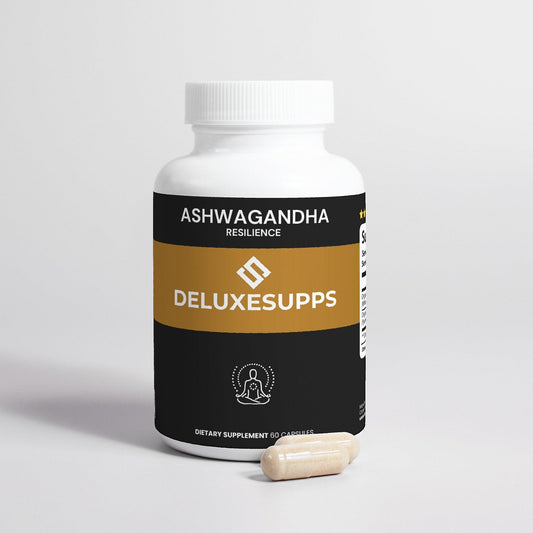
Lifestyle foundations: Solid nutrition, adequate sleep, and moderate activity help stabilize mood and energy. Some readers explore gentle supports, such as ashwagandha for everyday stress management, or a complete multivitamin to cover routine gaps. These are general wellness measures and do not replace professional care.
Coordination and pacing: Consider a stepwise plan: stabilize, process, integrate. Stabilization includes psychoeducation, coping skills, and environmental changes that reduce unnecessary stressors. Processing is then approached selectively, with clear goals and regular check-ins. Integration consolidates gains into daily life through rehearsal and support networks. Selecting trauma treatment techniques depends on comfort level, readiness, and access to trained providers.
Safeguards and feedback loops: Track sleep, activity, and stress exposure, and note how you respond to specific exercises. If distress spikes, scale back and return to grounding and safety planning. Short, frequent, successful practices build confidence more reliably than long, intense sessions that leave you depleted.
Myths vs. Facts
- Myth: One method works for everyone. Fact: Individuals respond differently; fit, pacing, and relationship with a provider matter as much as the modality.
- Myth: You must relive everything to heal. Fact: Many approaches emphasize stabilization and carefully titrated work; retraumatization is not a goal.
- Myth: Progress is linear. Fact: Improvement often comes in waves; skill practice and support help smooth fluctuations.
- Myth: If symptoms return, recovery failed. Fact: Temporary increases can occur under stress; skills and structure help restore balance.
- Myth: Supplements or tools alone can solve it. Fact: Wellness products can complement care, but structured guidance and daily habits drive lasting change.
- Myth: More intensity equals faster results. Fact: Sustainable, well-paced work is usually more effective than aggressive timelines.
Personal Experience
In a community wellbeing project, I helped design a paced program that combined psychoeducation, breathing practice, and brief skills sessions. Participants set small goals like two minutes of daily grounding and a weekly check-in. The focus was safety, routine, and self-observation. Engagement increased when we reduced complexity and highlighted early wins. Over time, participants reported feeling more equipped to handle triggers and to use resources effectively. This experience reinforced a key principle: modest, consistent steps can create meaningful momentum.
Final Thoughts & Takeaways
Recovery benefits from structure, patience, and collaboration. Choose methods that align with your needs, practice skills regularly, and rely on feedback to guide pace. Complement formal care with simple routines that support sleep, nutrition, and movement. When helpful, explore vetted resources and wellness tools that fit your plan.
- Stabilize first, then process, then integrate.
- Use brief daily practices for regulation and confidence.
- Track responses and adjust intensity carefully.
- Consider supportive resources, including educational mindset articles and curated products to simplify routines.
- For a broad overview of options, you can shop wellness essentials to complement daily habits.
Q&A Section
What is the first step to start healing?
Begin with stabilization. Learn basic grounding, set predictable routines, and identify supportive people or services. Short practices such as paced breathing and sensory orientation can reduce reactivity and prepare you for deeper work. Education about common reactions helps normalize your experience. A clear plan, conservative pacing, and regular check-ins create safety for the next steps.
How long does recovery usually take?
Timelines vary widely. Progress depends on the approach, frequency of practice, available support, and life stressors. It is more useful to measure process markers—sleep consistency, use of skills, and tolerance for triggers—than to aim for a fixed end date. Sustainable improvements tend to follow steady routines and collaborative adjustments with a qualified provider.
What supports can help between sessions?
Keep a simple toolkit: grounding exercises, movement breaks, hydration, balanced meals, and healthy boundaries around media and obligations. Some people incorporate nutrition support, such as a daily multivitamin, or stress-focused options used thoughtfully. Above all, choose tools that are easy to maintain and fit your plan. For routine-friendly options, consider curated items like a complete multivitamin that supports daily balance.
About the Author
Deluxesupps Deluxesupps
Deluxesupps Deluxesupps shares practical, research-informed wellness guidance that respects individual differences and promotes steady progress. With a focus on clear education and sustainable routines, our content helps readers build supportive habits. Explore more insights on our blog and choose tools that fit your plan. Wishing you steady, confident steps forward.
The content in this blog post is intended for general information purposes only. It should not be considered as professional, medical, or legal advice. For specific guidance related to your situation, please consult a qualified professional. The store does not assume responsibility for any decisions made based on this information.