






Updated on: 2026-01-09
Most wellness goals depend on how well your body takes in and uses vitamins, minerals, and botanical actives. This guide explains the science behind nutrient transport, common pitfalls that hinder uptake, and realistic ways to improve daily routines. You will learn how food pairings, timing, and formulation choices influence bioavailability. Practical checklists and answers to frequent questions enable confident, sustainable nutrient absorption enhancement.
- Introduction
- Foundations & Framework
- Common Mistakes to Avoid
- Pros & Cons Analysis
- Quick Tips
- Wrap-Up & Key Insights
- Q&A Section
- Do enzyme supplements improve uptake?
- What is the best time to take minerals?
- How can I assess the quality of a formula?
- About the Author Section
Introduction
There is a measurable gap between what a label promises and what the body can actually use. Maximizing the usable fraction of vitamins, minerals, and phytonutrients is the core objective of nutrient absorption enhancement. The process depends on digestion, transporters in the gut, the integrity of the intestinal barrier, and the way nutrients are packaged. In practice, small changes in food pairings, supplement timing, and ingredient forms can lead to meaningful differences in bioavailability. This article offers clear steps, balanced trade-offs, and practical tools you can apply today.
Nutrient Absorption Enhancement: Foundations & Framework
Efficient uptake begins with digestion. Adequate stomach acid, digestive enzymes, and bile help release nutrients from food and supplements. The small intestine then relies on transporters and passive diffusion to move compounds into circulation. Formulations can support this journey by using bioavailable forms (for example, chelated minerals), cofactor pairings, and delivery systems that protect sensitive compounds until they reach ideal absorption sites.
Food context matters. Fat-soluble vitamins A, D, E, and K require dietary fat for optimal uptake. Vitamin C can support the absorption of non-heme iron from plants. Excessive fiber placed immediately around supplements may dilute contact time with the intestinal wall. Gentle consistency, rather than high doses, usually produces better, steadier nutrient status over time.
Finally, lifestyle inputs such as sleep, activity, stress management, and hydration influence digestion and circulation. Well-planned routines can reduce variability and make results more predictable without resorting to megadosing.
Common Mistakes to Avoid
- Taking fat-soluble vitamins without a meal that includes healthy fats. A few grams of olive oil, nuts, or avocado can make a significant difference.
- Combining high-calcium servings with iron. These minerals may compete for uptake when taken together in larger amounts.
- Swallowing all minerals at once. Spacing magnesium, zinc, and iron across the day can reduce competition at shared transporters.
- Overloading fiber or phytates right before supplements. Whole grains and legumes are beneficial, but timing them away from certain minerals can be helpful.
- Relying on megadoses to compensate for poor timing. Higher amounts do not guarantee improved utilization and can increase the chance of discomfort.
- Ignoring hydration and electrolytes. Adequate fluid and a balanced intake of sodium and potassium support transport and circulation.
- Taking stimulants alongside key doses. Caffeine and alcohol near supplement windows can disrupt normal digestive rhythms.
Pros & Cons Analysis
Pros
- Improved efficiency: Thoughtful timing and food pairing can increase the usable fraction of nutrients without higher doses.
- Personalization: Adjustments based on diet type, schedule, and tolerance build a routine that fits real life.
- Better comfort: Spacing minerals and using gentle forms may reduce digestive upset for sensitive individuals.
- Cost-effectiveness: Doing more with the same amount of nutrients reduces waste and extends product value.
Cons
- Complexity: Managing timing, pairings, and forms requires attention and may feel demanding at first.
- Interactions: Some nutrients compete; without planning, stacking can be counterproductive.
- Variability: Individual differences in digestion and microbiome mean results can vary.
- Overreliance on technology: Delivery systems help, but do not replace balanced meals and consistent habits.
Quick Tips
- Pair fat-soluble vitamins with meals that include olive oil, eggs, nuts, or avocado.
- Take iron and calcium at separate times if both are used in notable amounts.
- Use vitamin C–rich foods, such as citrus or bell pepper, when eating plant sources of iron.
- Consider chelated minerals or methylated B vitamins when appropriate; you can Compare formulas by form and dose.
- Split doses for minerals and higher-potency products to reduce competition and improve comfort.
- Keep a simple routine: anchor core supplements to breakfast or dinner for consistency.
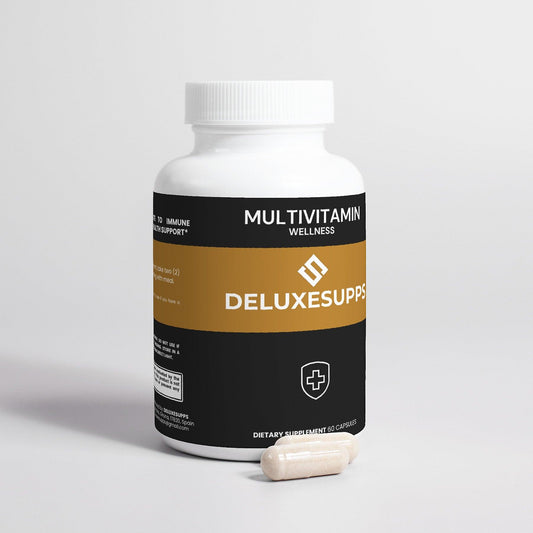
- Review a balanced multi with bioavailable forms; the Complete Multivitamin is a practical starting point.
- Build a streamlined stack that fits your goals; use the planner to Create your bundle.
- Limit caffeine for at least 60 minutes around sensitive doses if you notice discomfort.
- Learn continuously and refine your plan with evidence-based articles on Suppspedia.
Wrap-Up & Key Insights
Uptake is a system. Digestion, timing, food context, and formulation all influence what your body can use. Small, steady changes usually outperform sporadic high doses. Start with clear basics: pair nutrients with the right meals, split competing minerals, and select well-designed forms. Then personalize based on your schedule and response. Document what works for you and iterate. A simple, consistent routine compounds results over time and makes smarter nutrition sustainable.
Q&A Section
Do enzyme supplements improve uptake?
Digestive enzymes can help break down macronutrients in meals, which may indirectly support the release of micronutrients from food matrices. Some individuals report better comfort and consistency when using enzymes with larger or higher-protein meals. Effects vary by formulation and by personal digestive function. It is reasonable to start with diet quality first, then evaluate an enzyme product if heavy meals or certain foods feel difficult to digest.
What is the best time to take minerals?
A practical approach is to split minerals across the day and align them with meals. Many people tolerate magnesium in the evening, zinc with a main meal, and iron away from calcium and coffee. Spacing reduces competition at shared transporters and can enhance comfort. Keep notes for two weeks, then consolidate what works into a repeatable schedule tailored to your routine.
How can I assess the quality of a formula?
Look for clear labeling, sensible doses, and forms with established bioavailability, such as amino acid chelates for minerals or methylated forms for select B vitamins. Seek supportive cofactors and avoid unnecessary megadoses. Delivery methods that protect sensitive compounds can be helpful, provided they match your needs and budget. Independent education resources and comparison tools help you choose confidently and refine your stack over time.
About the Author Section
Deluxesupps Deluxesupps
Deluxesupps Deluxesupps creates clear, practical guidance on bioavailability, formulation science, and supplement routines. Our goal is to help you build simple, effective habits that fit real life. Thank you for reading, and feel free to keep exploring what works best for you.
The content in this blog post is intended for general information purposes only. It should not be considered as professional, medical, or legal advice. For specific guidance related to your situation, please consult a qualified professional. The store does not assume responsibility for any decisions made based on this information.