







Updated on: 2025-11-30
Table of Contents
- Sports nutrition for athletes: fundamentals for daily performance
- How-to guide: how to optimize sports nutrition for athletes
- Pre-workout and recovery for athlete nutrition
- Sports nutrition for endurance athletes: fuel and hydration planning
- Common questions answered about nutrition for athletes
- Summary and next steps for sports nutrition for athletes
- About the author
Sports nutrition for athletes is most effective when it is simple, consistent, and aligned with training goals. Within athlete nutrition and broader nutrition for athletes, the essentials include energy availability, pre-workout nutrition, protein distribution, hydration, and recovery scheduling. When these parts work together, athletes support daily practice, maintain training quality, and create a reliable routine that fits different sports demands. This article provides a practical framework that you can apply immediately, with specific guidance for sports nutrition for endurance athletes and straightforward answers to common questions.
Sports nutrition for athletes: fundamentals for daily performance
At the core of sports nutrition for athletes is a balance between fuel, fluids, and timing. Athletes benefit from steady energy across the day, predictable pre-session meals, and planned recovery. A simple structure reduces guesswork and helps keep training consistent.
Begin with a food-first approach. Meals built around whole grains, fruits, vegetables, lean proteins, and healthy fats supply the macronutrients and micronutrients that daily training requires. Layer practical timing on top: plan a pre-workout snack that sits well, keep fluids accessible, and choose a reliable post-session meal. This method keeps nutrition for athletes accessible and repeatable.
Protein for athletes supports structural needs from regular training. Distribute protein across meals and snacks to simplify intake, rather than relying on a single large serving. Carbohydrates remain the primary training fuel for most sessions. Aim for a mix of slow-digesting sources during the day and faster options closer to exercise if desired. Fats round out energy intake and can help meals feel complete.
Hydration anchors the plan. Preparing with fluids, sipping during longer sessions, and replenishing afterward supports comfort and routine. For many schedules, a simple strategy of starting hydrated and drinking to thirst is a practical baseline. As intensity, duration, or environmental heat rises, a more detailed plan becomes more useful.
How-to guide: how to optimize sports nutrition for athletes
Step 1 — Set clear performance goals
Define what your training requires over a typical week. Note session length, intensity, and frequency. Clear goals guide portion sizes, snack timing, and whether you need additional fuel around key sessions.
Step 2 — Estimate energy needs
Use your training schedule to sketch a flexible energy range for light, moderate, and heavy days. Plan larger meals on higher-load days and lighter portions on rest or technique-focused days. Adjust portions in small steps to keep energy consistent without large swings.
Step 3 — Structure carbohydrates
Place most carbohydrates around training windows when you need accessible fuel. Choose grains, fruits, starchy vegetables, and dairy based on preference and tolerance. On lighter days, shift toward steadier, fiber-rich sources; on heavier days, add easily digested options closer to the session.
Step 4 — Prioritize protein for athletes
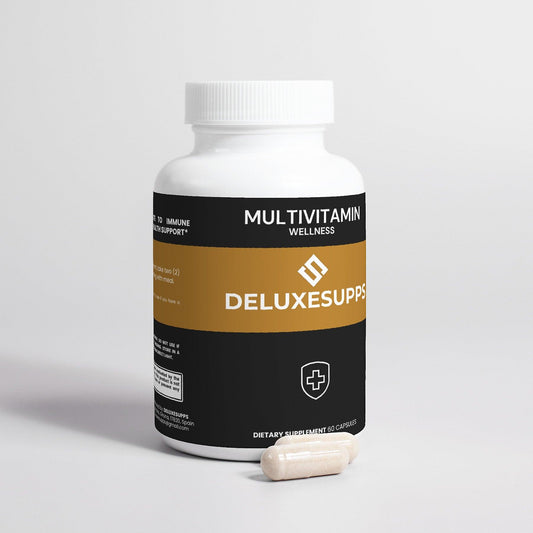
Include a protein source at breakfast, lunch, dinner, and in one snack. Spreading intake across the day supports regular training demands. Many athletes use simple anchors like eggs or yogurt at breakfast, poultry or legumes at lunch, fish or tofu at dinner, and cottage cheese or a smoothie for snacks. For a general nutritional backstop, some athletes consider a multivitamin as part of a food-first plan; review product details here: Complete Multivitamin.
Step 5 — Pre-workout nutrition timing
Pre-workout nutrition works best when it is predictable and comfortable. A small meal two to three hours before training plus a light, familiar snack 30–60 minutes before is a common pattern. Choose options you digest well, and practice them on standard training days before using them on more demanding sessions.
Step 6 — Hydration strategy
Start training well hydrated. Keep a bottle available, and drink according to thirst and session length. In hot or long sessions, plan scheduled sips at regular intervals and consider including electrolytes if your environment or sweat rate suggests the need.
Step 7 — Plan recovery meals and snacks
After training, combine fluids, a source of carbohydrates, and a serving of protein. If you cannot eat a full meal immediately, use a simple snack and follow with a balanced plate within a reasonable time window. Convenient options help you stay consistent on busy days.
Step 8 — Monitor, track, and adjust
Track a few indicators: session quality, perceived energy, and appetite. Use a short weekly review to tweak portion sizes or timing. If you want to compare options and personalize a routine, you can explore bundles to streamline choices: Create your bundle or browse a curated catalog at All products.
Pre-workout and recovery for athlete nutrition
Pre-workout nutrition sets up the session. Many athletes prefer a small, balanced meal with familiar foods two to three hours before training, then a light snack closer to the start if needed. Keep fiber and very high fat options modest in the hour before activity if they feel heavy. Sip water as you prepare so that you begin hydrated but comfortable.
For recovery, think “fluid, fuel, and protein.” Fluids replace sweat losses. Carbohydrates restock ongoing energy demands, especially when training resumes within the next day. Protein supports daily training needs when distributed across meals and snacks. Include colorful produce to round out the plate with varied textures and flavors.
When time is tight, planning in advance helps. Keep a rotation of reliable snacks and easy meal combinations. A simple sandwich with fruit and water, a rice bowl with fish or legumes, or yogurt with granola and berries are practical examples. If you prefer to include functional blends as part of your routine, review product information and ingredient lists; for example, see details for a mushroom blend here: Mushroom Complex 10X.
Sports nutrition for endurance athletes: fuel and hydration planning
Sports nutrition for endurance athletes requires scheduling fuel before, during, and after longer sessions. Before training, choose a meal with a steady carbohydrate base and familiar protein. During extended sessions, plan small, regular intakes of fluids and easily digested carbohydrate sources as tolerated. Afterward, return to the recovery framework of fluids, fuel, and protein.
Build your plan in layers. Set a baseline meal structure for non-key days. For long runs, rides, or extended intervals, add a portable fueling routine at consistent time points, and rehearse it during training. Keep spares on hand and note what sits well so that event-day nutrition mirrors your practice.
Common questions answered about nutrition for athletes
What should athletes eat before and after training?
Before training, many athletes use a balanced meal two to three hours ahead plus a familiar snack 30–60 minutes before if needed. Choose foods you digest well and adjust portion size to session load. After training, combine fluids with a source of carbohydrates and a serving of protein in a convenient meal or snack. Keep a few reliable options ready so you can refuel without delay.
Are supplements necessary in sports nutrition for athletes?
Supplements are not a replacement for a food-first plan. Some athletes use specific products for convenience or to cover identified gaps. Decisions depend on personal goals, preferences, and guidance from qualified professionals. If you are exploring options, review product pages carefully and compare formats and ingredients; you can browse a curated selection here: All products.
How much protein for athletes per day?
Protein for athletes is most practical when spread across meals and snacks. A simple approach is to include a protein source at breakfast, lunch, dinner, and one snack. Match portion size to training intensity, body size, and appetite. Consistency across the day usually matters more than emphasizing a single large serving.
How should athletes manage hydration?
Start sessions hydrated, keep fluids accessible, and adjust intake to session length and conditions. Drinking to thirst is a useful baseline. In hot conditions or long sessions, schedule regular sips and consider electrolytes if appropriate. Track comfort and adjust the plan based on experience.
Summary and next steps for sports nutrition for athletes
Sports nutrition for athletes improves with structure and repetition. Build meals around whole foods, plan pre-workout nutrition, distribute protein for athletes across the day, and maintain a simple hydration routine. Layer in a recovery plan that you can execute even on busy days. For endurance schedules, rehearse fueling and fluid timing during key sessions.
Next steps are straightforward: write down your weekly training, map meals and snacks around it, test your pre-workout options, and log a brief weekly review. If you want a streamlined way to compare options or personalize a routine, explore flexible bundles here: Create your bundle. If you prefer a minimal backstop alongside a food-first plan, review label details and formats on the multivitamin product page: Complete Multivitamin. Continue refining until your plan feels automatic.
About the author
Deluxesupps Deluxesupps
Deluxesupps Deluxesupps focuses on practical, food-first guidance for athlete nutrition and performance routines. Experience includes creating accessible frameworks that help athletes align fueling, hydration, and recovery with training demands. Thanks for reading, and feel free to continue exploring resources to refine your plan with confidence.
The content in this blog post is intended for general information purposes only. It should not be considered as professional, medical, or legal advice. For specific guidance related to your situation, please consult a qualified professional. The store does not assume responsibility for any decisions made based on this information.