










Updated on: 2026-01-03
- Understanding berberine blood sugar support
- Mechanisms: How It Influences Glucose and Metabolism
- Potential Benefits, Limitations, and Who May Consider It
- Quality, Dosage Forms, and Safety Considerations
- Practical Steps to Add It to a Daily Routine
- Step 1: Clarify your baseline and goals
- Step 2: Choose a quality formula
- Step 3: Time your intake with meals
- Step 4: Track responses and adjust
- Step 5: Pair with lifestyle basics
- Q&A
- Key Takeaways
- About the Author
Many individuals explore botanical options to complement nutrition, movement, and consistent routines for glucose balance. Interest in berberine blood sugar support continues to grow because of its history of traditional use and modern discussion about metabolic pathways. Rather than promising outcomes, this article explains how the compound is thought to work, what to consider when evaluating quality, and how to use it within a broader wellness plan. The aim is clarity, safety, and practical application.
Understanding berberine blood sugar support
Berberine is a bioactive alkaloid found in plants such as Berberis and Coptis species. It has a long record in traditional wellness practices. Contemporary analysis often highlights its role in metabolic regulation, including healthy glucose handling within a normal range. That emphasis fits a whole-person approach that prioritizes meals built on fiber, protein, and healthy fats; regular physical activity; quality sleep; and stress management.
When evaluating this compound, context matters. Supplements can assist an already sound foundation. They do not replace fruits and vegetables, hydration, or consistent movement. They also do not substitute for professional care, individualized assessment, or prescribed therapies. A reasonable goal is to use targeted nutrition tools to support daily habits that sustain long-term health.
For readers exploring complementary options, browsing a curated range of products can help. See All supplements to compare formulas that fit different goals, or consider bundling strategies to simplify timing and budget.
Mechanisms: How It Influences Glucose and Metabolism
Discussion of this compound often centers on cellular energy sensing. Researchers frequently point to activation of AMP-activated protein kinase (AMPK), a regulator that helps the body use energy efficiently. When AMPK is active, cells increase glucose uptake, and the liver may scale back processes that generate new glucose. This shift supports balanced energy use, especially when paired with steady meal patterns and movement.
Another area of interest involves the gut. The compound may interact with the intestinal environment and bile acid signaling. These interactions can influence how the body absorbs and metabolizes nutrients. Some evidence also suggests effects on enzyme activity involved in carbohydrate breakdown, which may modulate post-meal responses. The collective picture is one of gentle, multi-pathway support rather than a single, dramatic action.
Importantly, response varies. Individual digestion, microbiome composition, diet quality, and sleep patterns all affect outcomes. In practice, steady routines, consistent dosing according to the label, and tracking simple markers like energy levels and satiety cues will yield more insight than short trials or irregular use.
Potential Benefits, Limitations, and Who May Consider It
People focused on metabolic health often look for tools that reinforce daily habits. Potential advantages discussed in the literature include support for healthy glycemic control within a normal range, complementing diet and exercise. Some users also pursue it alongside weight-management efforts because metabolic flexibility can influence appetite and activity levels. These potential effects are best viewed as part of a system that includes whole foods, resistance training, and sleep hygiene.
There are limitations. Not everyone experiences the same response, and gastrointestinal discomfort can occur for some individuals, especially with higher intakes or on an empty stomach. Quality varies widely, which affects consistency. Interactions with medications are possible. Because circumstances differ, a personal discussion with a qualified professional is advisable before starting any new supplement, particularly if you use prescriptions or have health concerns.
If you prefer a structured routine, you can streamline choices with thoughtful bundles. Explore options on the Build a bundle page to align products with your schedule and simplify adherence.
Quality, Dosage Forms, and Safety Considerations
Focus on products that disclose plant source, extraction method, and standardization. These details support consistency across batches. Third-party testing is another important signal, offering independent verification for identity, purity, and potency. Some formulas pair the active with ingredients intended to enhance absorption. Others rely on sustained-release technologies to improve tolerance.
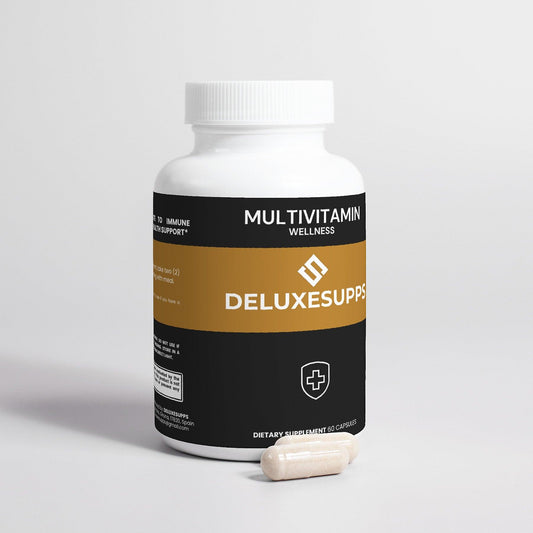
Follow the product label for serving size and frequency. Beginning with the lowest suggested intake and gradually building to the intended routine can improve comfort. Many users prefer taking it with meals to reduce stomach upset. If you prefer a foundational micronutrient base, a multivitamin can work alongside targeted botanicals. Review options like the Complete Multivitamin to cover essentials while you evaluate specialized additions.
Finally, consider practical details such as delivery timelines and returns when planning a program. Policies are transparent; see the Shipping policy for current information on processing and shipment expectations.
Practical Steps to Add It to a Daily Routine
Step 1: Clarify your baseline and goals
Define what you want to observe. Examples include post-meal energy, satiety, or general metabolic comfort. Keep a simple log for one to two weeks before adding anything new. A clear baseline helps you assess change with fewer assumptions.
Step 2: Choose a quality formula
Select a product that cites plant source, extract strength, and testing. Review the full ingredient list for potential allergens and excipients. If you routinely use supplements, consider how tablets, capsules, or sustained-release forms fit your schedule.
Step 3: Time your intake with meals
Many users take servings alongside food to support comfort and consistency. Pairing intake with a regular meal reduces the chance of missed doses. Keep water intake steady to support digestion.
Step 4: Track responses and adjust
Use a simple daily checklist. Note mealtime, serving size, energy levels, and any digestive feedback. Adjust timing within label directions to improve tolerance, and consult a professional if questions arise.
Step 5: Pair with lifestyle basics
Support your plan with fiber-rich meals, adequate protein, and resistance training two to three times per week. Aim for consistent sleep and light movement after meals. To explore complementary options, visit All supplements and compare formulas that align with your routine.
Q&A
What does this compound do for glucose balance?
It is widely discussed for its influence on cellular energy regulation and nutrient metabolism. By affecting pathways linked with glucose uptake and liver output, it may help maintain healthy levels within a normal range when combined with sound nutrition and movement. Effects are gradual and depend on consistent use, quality, and individual factors such as diet, sleep, and stress.
Can it be used with a structured nutrition plan?
Yes, it is commonly used alongside balanced meals that center on vegetables, lean proteins, and healthy fats. Many individuals also combine it with fiber strategies and post-meal walks. If you are building a comprehensive plan, you may include foundational products and targeted options; tools like the Build a bundle page can simplify coordination.
Who should avoid it?
Individuals who are pregnant, nursing, taking medications, or managing health conditions should consult a qualified professional before use. Those who experience persistent digestive discomfort should discontinue and seek guidance. Consider starting with foundational nutrition first; a product such as the Complete Multivitamin can support basics while you evaluate whether targeted botanicals are appropriate.
Key Takeaways
- This botanical is discussed for support of normal glucose handling and metabolic balance.
- Pathways include AMPK activity, gut interactions, and nutrient metabolism.
- Start low, follow the label, and consider taking with meals to improve tolerance.
- Consistency with diet, movement, sleep, and stress management drives results.
- Plan your routine and delivery details in advance; review the Shipping policy and consider the Build a bundle option.
About the Author
Deluxesupps Deluxesupps specializes in evidence-informed guidance on nutrition, supplementation, and practical wellness routines. Our team translates complex topics into clear, actionable steps that fit real schedules. Thank you for reading; we are glad to support your journey with thoughtful, reliable information.
The content in this blog post is intended for general information purposes only. It should not be considered as professional, medical, or legal advice. For specific guidance related to your situation, please consult a qualified professional. The store does not assume responsibility for any decisions made based on this information.