


Updated on: February 14, 2026
Maintaining optimal blood flow throughout your body is essential for overall health and vitality. This comprehensive guide explores proven strategies for developing healthy circulation habits that enhance energy levels, support cardiovascular function, and improve physical performance. Learn practical, evidence-based methods to strengthen your circulatory system and maintain consistent wellness.
Table of Contents
- Pros and Cons of Improving Circulation
- Step-by-Step Practical Guide to Better Blood Flow
- Regular Physical Activity and Movement
- Nutritional Support for Vascular Health
- Hydration and Lifestyle Factors
- Wrap-Up and Actionable Advice
- Frequently Asked Questions
- About the Author
Introduction: Understanding Healthy Circulation Habits
Cardiovascular health forms the foundation of physical wellness and longevity. Your circulatory system delivers oxygen-rich blood to every cell in your body, removes metabolic waste products, and regulates body temperature and hormonal function. Developing healthy circulation habits ensures this intricate system operates at peak efficiency. When blood flow remains optimal, you experience increased energy, improved mental clarity, better athletic performance, and reduced risk of chronic diseases. This article provides actionable strategies to enhance your vascular health and establish sustainable practices that support strong circulation throughout your life.
Pros and Cons of Improving Circulation
Benefits of Enhanced Blood Flow
- Increased energy and stamina: Improved oxygen delivery to muscles and brain boosts daily vitality and mental performance.
- Cardiovascular disease prevention: Strong circulation habits reduce the risk of heart disease, stroke, and related conditions.
- Faster recovery from exercise: Better blood flow removes metabolic byproducts more efficiently, reducing soreness and recovery time.
- Enhanced skin health: Improved nutrient and oxygen delivery promotes a healthy complexion and natural glow.
- Better cognitive function: Optimal cerebral circulation supports memory, focus, and mental clarity.
- Improved sexual function: Enhanced blood flow benefits overall reproductive and sexual health in both men and women.
Potential Challenges and Realistic Considerations
- Time commitment required: Establishing consistent exercise and wellness routines demands dedication and scheduling.
- Dietary adjustments: Optimal nutrition may require significant changes to established eating patterns and food preferences.
- Individual variation: Results vary based on genetics, baseline health status, age, and existing medical conditions.
- Patience needed: Significant circulatory improvements typically require weeks to months of consistent effort.
- Medical complexity: Some individuals may require professional medical guidance alongside lifestyle modifications.
Step-by-Step Practical Guide to Better Blood Flow
Step One: Incorporate Regular Physical Activity and Movement
Aerobic exercise represents the most powerful tool for enhancing circulation. Walking, running, cycling, swimming, and dancing all strengthen the heart muscle and improve vascular function. Begin with moderate-intensity exercise for thirty minutes most days of the week. This activates your parasympathetic nervous system, dilates blood vessels, and increases blood flow efficiency. Resistance training also supports circulation by building muscle tissue, which demands substantial blood supply and improves metabolic function.
Movement throughout your day matters equally. Sitting for extended periods restricts blood flow and promotes stagnation. Stand, stretch, and walk regularly if your work requires prolonged sitting. Incorporate brief walking breaks every hour. Yoga and tai chi offer excellent movement practices that combine gentle exercise with conscious breathing, further enhancing circulatory benefits.

Person engaged in outdoor aerobic activity with natural scenery background.
Step Two: Optimize Nutrition for Vascular Support
Your diet directly influences blood vessel health and circulation quality. Consume abundant antioxidant-rich foods including berries, leafy greens, dark chocolate, and nuts. These foods reduce oxidative stress and support endothelial function—the inner lining of blood vessels. Omega-three fatty acids from fish, flaxseeds, and walnuts reduce inflammation and improve blood flow. Include garlic, onions, and ginger, which contain compounds that naturally support healthy circulation.
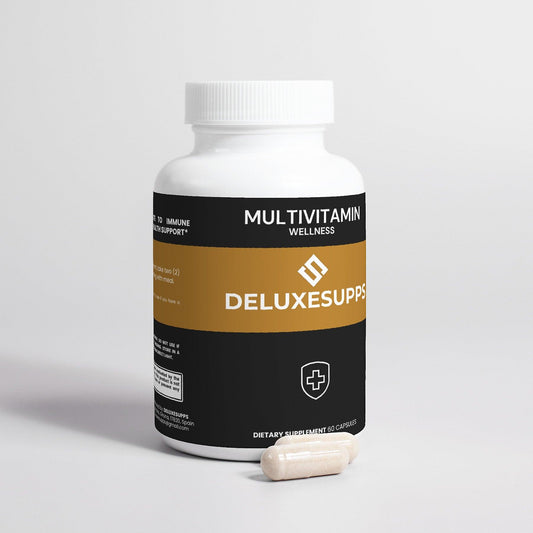
Limit sodium, refined sugars, and saturated fats, which contribute to blood vessel dysfunction and narrowing. Reduce processed food consumption significantly. Instead, emphasize whole grains, legumes, vegetables, and lean proteins. Consider incorporating nutritional supplements that contain vitamins and minerals supporting vascular health, including magnesium, potassium, and B vitamins.
Step Three: Maintain Proper Hydration and Manage Stress
Adequate water intake thins blood and improves flow efficiency. Dehydration causes blood to thicken, increasing circulatory strain. Consume at least two liters of water daily, adjusting for climate, activity level, and individual needs. Monitor urine color—pale yellow indicates good hydration; dark amber suggests you need more fluids.
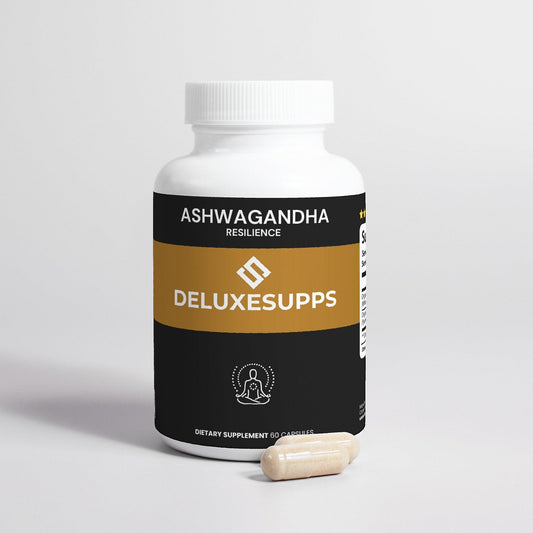
Chronic stress constricts blood vessels and impairs circulation. Implement stress-reduction practices including meditation, deep breathing exercises, progressive muscle relaxation, or journaling. Quality sleep supports vascular health through parasympathetic nervous system activation. Aim for seven to nine hours of consistent, quality sleep nightly. Consider exploring mindset strategies that promote mental wellness and stress resilience.
Step Four: Eliminate Harmful Habits
Smoking causes immediate and severe blood vessel constriction and long-term vascular damage. Quit smoking completely to restore circulatory function. Excessive alcohol consumption damages blood vessel walls and increases inflammation. Limit alcohol to moderate levels—one drink daily for women, two for men. Reduce caffeine consumption if it elevates anxiety and stress levels, though moderate coffee intake offers antioxidant benefits for circulation.

Healthy lifestyle elements arranged symbolically, representing wellness and vitality.
Step Five: Consider Strategic Supplementation
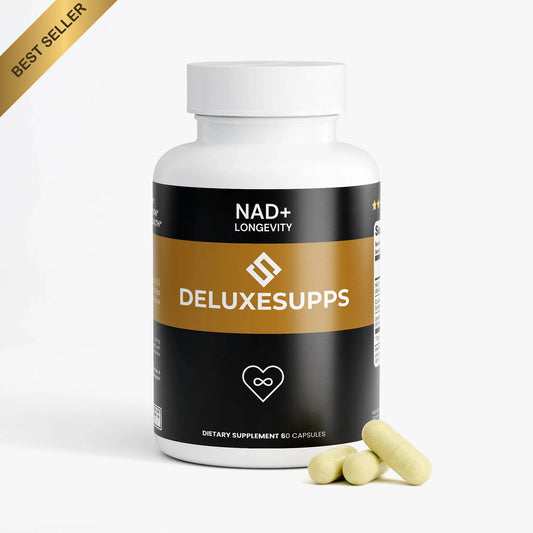
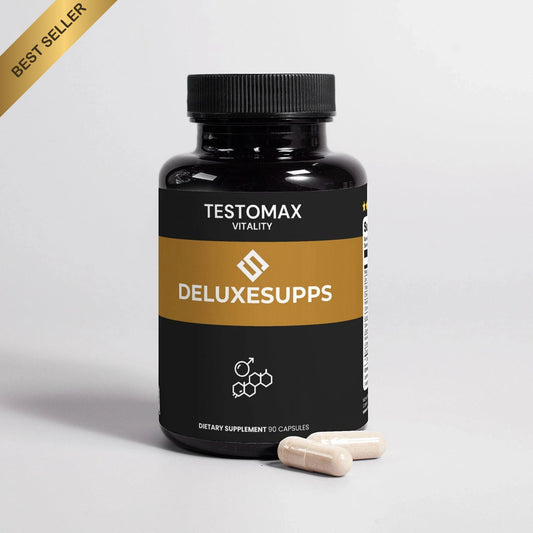
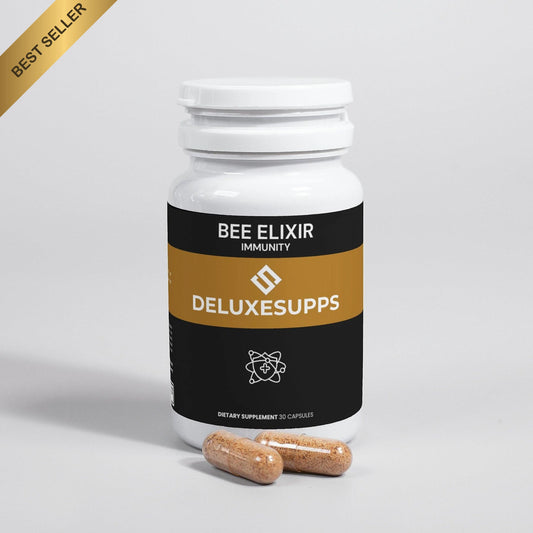
While whole foods provide primary nutrition, targeted supplementation addresses specific circulatory needs. Nitric oxide boosters improve blood vessel dilation. Coenzyme Q10 supports heart muscle function and energy production. L-arginine and L-citrulline promote nitric oxide synthesis naturally. Explore advanced supplement options that support cellular energy and vascular health. Consult with healthcare providers before beginning supplementation, particularly if you take medications.
Wrap-Up and Actionable Advice
Building robust healthy circulation habits requires commitment to multiple lifestyle domains simultaneously. Begin with one or two changes—perhaps adding thirty minutes of walking and increasing water intake—before progressively implementing additional strategies. This gradual approach increases compliance and prevents overwhelm.
Measure your progress through concrete indicators: increased energy levels, improved exercise capacity, better sleep quality, and enhanced mental clarity. Many people notice cardiovascular improvements within two to four weeks of consistent effort. For those interested in comprehensive wellness support, explore complete supplement collections designed to support overall vascular and systemic health.
Remember that improving circulation represents an investment in your long-term health, vitality, and quality of life. Consistency matters far more than intensity. Small daily improvements compound into significant health transformations over months and years. Commit to these evidence-based practices and experience the profound benefits of optimal blood flow.
Frequently Asked Questions
How long does it take to improve circulation through lifestyle changes?
Most people experience noticeable improvements in circulation within two to four weeks of consistent exercise and dietary modifications. However, significant vascular structural changes require eight to twelve weeks or longer. Individual variation depends on baseline fitness level, age, genetics, and the extent of dietary changes. Some benefits, particularly improved oxygen delivery and reduced inflammation, occur within days of beginning exercise.
Are there specific foods that boost circulation most effectively?
Fatty fish rich in omega-three fatty acids, particularly salmon and sardines, provide exceptional circulatory support. Dark leafy greens including spinach and kale contain nitrates that improve blood flow. Beets and pomegranate juice offer concentrated nitrate content. Garlic, turmeric, and ginger contain bioactive compounds supporting vascular function. Nuts, seeds, and dark chocolate provide antioxidants and minerals essential for healthy blood vessel function. A diverse diet emphasizing whole foods provides superior benefits compared to individual superfoods.
Can exercise alone improve circulation without dietary changes?
Exercise provides substantial circulatory benefits independently, as regular physical activity strengthens the heart, improves vascular function, and increases oxygen utilization. However, combining exercise with optimal nutrition produces superior results. Diet influences blood vessel health through antioxidant and anti-inflammatory mechanisms that exercise alone cannot fully address. Weight management, inflammation reduction, and cholesterol improvement require both components working synergistically. Comprehensive lifestyle optimization yields dramatic circulatory improvements compared to single-intervention approaches.
Are there medical conditions that prevent healthy circulation habits?
Certain medical conditions including severe heart disease, uncontrolled hypertension, or peripheral arterial disease require medical supervision before implementing exercise programs. However, most people can benefit from modified versions of these strategies. Always consult healthcare providers before beginning new exercise routines or making significant dietary changes, particularly if you have existing cardiovascular disease, diabetes, or take medications affecting blood flow. Medical professionals can recommend safe, individualized approaches tailored to your specific health status.
About the Author
Deluxesupps Deluxesupps is a dedicated wellness researcher and nutritional supplement expert specializing in cardiovascular health and circulatory optimization. With extensive experience developing science-based wellness programs and formulating effective supplements, Deluxesupps helps individuals achieve optimal health through evidence-based strategies. Passionate about making complex health information accessible, Deluxesupps combines rigorous research with practical application. When not researching circulatory health, you can find Deluxesupps exploring new hiking trails and testing recovery methods firsthand.
The content in this blog post is intended for general information purposes only. It should not be considered as professional, medical, or legal advice. For specific guidance related to your situation, please consult a qualified professional. The store does not assume responsibility for any decisions made based on this information.