






Updated on: 2026-01-13
Selecting nutrition products can be overwhelming. This guide explains how to assess quality, dosing, and transparency so you can shop with confidence. You will learn how to evaluate research, read labels, and compare formulations without hype. Use the checklist, pros and cons, and Q&A to make better decisions and build a regimen that suits your goals and budget.
Table of Contents
- Did You Know? Facts about clinically validated supplements
- Comparison: Pros & Cons
- Buyer’s Checklist
- Final Thoughts & Advice
- Q&A Section
- About the Author Section
The nutrition market rewards clarity, consistency, and proof. Many shoppers now expect human data, transparent labels, and measurable quality controls. This article provides a straightforward framework for evaluating research-backed products, reading ingredient panels, checking dosing rationales, and comparing alternatives. You will also find a pragmatic buyer’s checklist that simplifies the process, plus a balanced comparison of benefits and trade-offs. If you prefer a curated place to begin, you can browse a broad range of options via Shop all or compare formulas side by side with the Compare products tool.
Did You Know? Facts about clinically validated supplements
- Study design matters. Randomized, controlled human trials reduce bias and offer stronger evidence than animal or in vitro data. When available, look for trials that match your intended use, demographic, and dose.
- Extract standardization improves consistency. When a plant extract lists a standardized percentage of a specific active compound, it helps ensure each serving delivers a similar profile from batch to batch.
- Dose and form influence outcomes. Many nutrients and botanicals rely on a specific dose range and a particular form (for example, chelated minerals or bioavailable complexes) to achieve the best absorption.
- Quality systems reduce variability. Facilities following Good Manufacturing Practice (GMP) and batch testing help confirm identity, purity, and potency, which supports a more consistent customer experience.
- Transparency supports trust. Clear labeling, serving sizes that match evidence, and accessible information about testing can help you evaluate value before you buy.
- Synergy is contextual. Combining ingredients can be helpful when formulas are designed to complement each other, but more is not always better. Review overlapping actives and total daily intakes.
- Lifestyle is a multiplier. Sleep, nutrition, hydration, and stress management can influence how you perceive results, even with evidence-backed formulas.
Comparison: Pros & Cons
- Pros
- Evidence-informed choices reduce guesswork and help align expectations with what has been measured in research settings.
- Standardized ingredients, clear dosing, and quality testing can support consistency across bottles and batches.
- Transparent brands publish details about sourcing, assay methods, and manufacturing practices, which makes evaluation easier.
- Well-constructed blends may simplify routines by reducing the number of separate products needed.
- Cons
- Human studies can be narrow in scope, with specific populations and time frames that may not reflect your situation.
- Higher-quality inputs and third-party testing may increase price compared to generic or underdosed alternatives.
- Research evolves. New data can refine dosing ranges, suggest different combinations, or update safety guidance.
- Even with supportive evidence, individual responses vary due to genetics, diet, sleep, and training status.
Buyer’s Checklist
- Match the goal: Confirm that the product’s purpose aligns with your objective, such as daily nutrient coverage, energy support, or focus. If you are building a bundle, consider the curated options in Build a bundle.
- Check active forms: Identify the exact forms of vitamins, minerals, or botanicals (for example, methylated B vitamins, chelated magnesium, or standardized herbal extracts) and whether they are consistent with research.
- Confirm dose per serving: Compare the label’s serving size and daily intake to the ranges used in human studies. Be mindful of products that list proprietary blends without disclosing amounts of key actives.
- Assess quality controls: Look for GMP manufacturing, lot testing for identity and purity, and methods for verifying potency. Batch-specific Certificates of Analysis are a plus.
- Evaluate excipients: Review other ingredients, such as capsule materials or sweeteners. These can affect tolerability and alignment with your dietary preferences.
- Scan for allergens: Check if the product is free from common allergens or if it is manufactured in a facility that processes them.
- Read the usage directions: Confirm when and how to take the product (with food, split servings, or time of day) to mirror research protocols where applicable.
- Consider stacking: If combining products, ensure you are not duplicating ingredients or exceeding reasonable daily totals. The Compare products page can help you spot overlap.
- Review brand transparency: Does the brand explain sourcing, testing, and formulation rationale? Clear policies, such as shipping details, also help set expectations; review the Shipping policy before checkout.
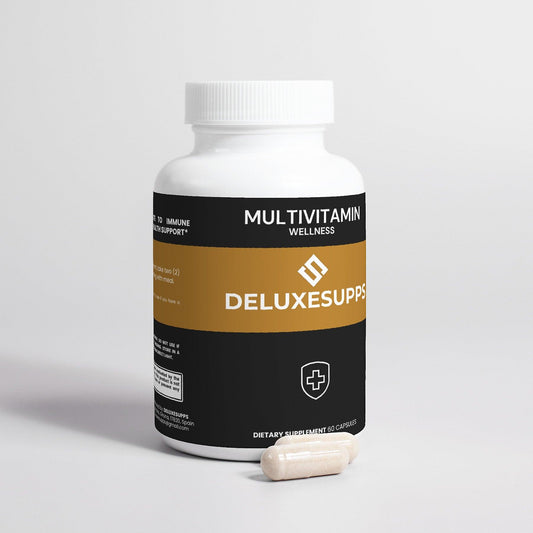
- Start with essentials: Many shoppers begin with a comprehensive daily formula before layering targeted options. Explore the Complete multivitamin as a baseline and build from there.
Final Thoughts & Advice
Quality nutrition products are tools, not shortcuts. Focus on routines that support your goals, and use formulas that disclose active forms, doses, and testing. When comparing options, prioritize brands that clearly present evidence summaries, explain their design choices, and offer practical guidance on use. If you prefer simplicity, start with foundational coverage, evaluate your response over several weeks, and add targeted support only where you see a clear need.
Finally, be mindful of your personal context. Review all labels if you take medications or manage health conditions, and consult a qualified professional for individual guidance. This content is for informational purposes only and is not a substitute for personalized advice. If you are ready to explore options, begin with Shop all and build a plan that fits your routine.
Q&A Section
How do I verify if a study is relevant to a product?
First, check that the research used the same ingredient form and a comparable dose to what appears on the label. Next, review the study population and setting to see whether it resembles your context (age range, training status, or baseline diet). Pay attention to the outcome measures that matter to you, such as energy ratings, cognitive assessments, or blood markers. Finally, look for replication across multiple studies and confirm that the manufacturer’s usage instructions align with the protocols used in research.
What does “standardized extract” actually mean on labels?
Standardization indicates that an extract is adjusted so that it consistently contains a defined percentage of a specific active compound or marker. This improves batch-to-batch uniformity, which can support a more predictable user experience. When comparing products, confirm which compound is standardized and at what level. Also check whether the amount of the standardized extract per serving matches the range commonly used in human data, rather than relying on a blend total that does not specify actives.
How should I approach stacking multiple products safely?
Begin with a clear goal and a minimal set of essentials. Add one targeted product at a time so you can attribute changes to specific ingredients. Track overlapping actives across labels to avoid exceeding reasonable daily totals, and adjust timing to reduce potential interactions (for example, separating certain minerals from polyphenols). If uncertain, review your plan with a qualified professional. A structured approach helps you identify what works while keeping your routine streamlined.
About the Author Section
About the Author
Deluxesupps Deluxesupps specializes in evidence-informed product curation and plain-language education for shoppers who value clarity and quality. Our team focuses on label transparency, dosing integrity, and practical guidance that fits real-world routines. We appreciate your trust and are here to help you shop smarter.
The content in this blog post is intended for general information purposes only. It should not be considered as professional, medical, or legal advice. For specific guidance related to your situation, please consult a qualified professional. The store does not assume responsibility for any decisions made based on this information.