








Updated on: 2025-12-18
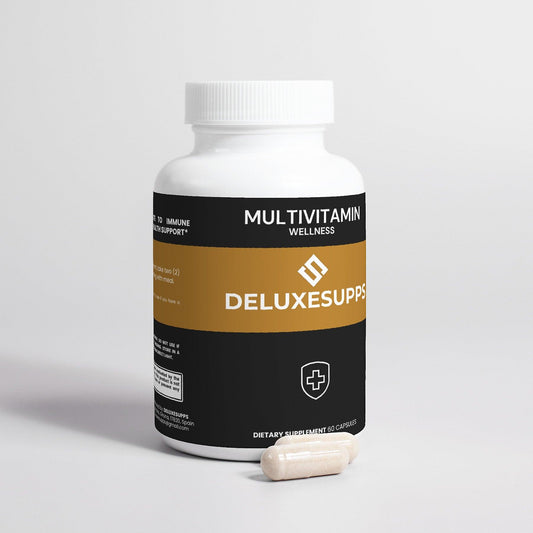
This guide explains how to build a smart, food-first nutrition routine that can serve as a practical daily multivitamin alternative. You will learn how to personalize essentials, avoid overlap, and choose targeted additions that suit your lifestyle. The strategies below focus on simplicity, transparency, and consistency, so you can support overall wellness with clarity. Use the tips to organize your plan, test it in real life, and refine it with confidence.
Table of Contents
- Introduction
- Personal Experience or Anecdote
- Key Advantages of a Daily Multivitamin Alternative
- Quick Tips
- Summary & Next Steps
- Q&A Section
- Is a single pill necessary for complete coverage?
- Can food-based nutrients replace a multivitamin?
- How do I build a targeted stack without overlap?
- About the Author
Introduction
Many people are exploring a daily multivitamin alternative to simplify wellness, reduce redundancy, and align supplementation with a food-first approach. This article shows how to make that shift in a responsible, stepwise manner. You will find a framework for assessing your diet, selecting essentials, and adding focused support only where it delivers clear value. The goal is not more pills. The goal is precision. By using nutrient-dense foods as your base and layering targeted support, you can create a routine that is easier to follow and easier to adjust. The outcome is a plan that respects your needs, your budget, and your long-term habits.
Personal Experience or Anecdote
Several years ago, I evaluated my supplement routine and realized it was a patchwork of assumptions. I replaced a broad, one-size-fits-all pill with a simpler plan: consistent whole foods, a few fundamentals, and one or two rotating supports based on season and workload. The change created immediate clarity. I stopped doubling up on similar nutrients and paid more attention to meals, hydration, and sleep. The plan was not drastic. It was careful and incremental. Most importantly, it was sustainable. Over time, the routine became easier to maintain because each item had a distinct purpose, and I reviewed that purpose every quarter.
Key Advantages of a Daily Multivitamin Alternative
- Personalization: You focus on what you truly need. A targeted plan lets you emphasize essentials that fit your diet and routine, while limiting extras.
- Ingredient transparency: Selecting individual items reveals exact forms and amounts. You know what you take and why you take it.
- Less redundancy: Stacks built from the ground up help avoid doubling the same nutrients across multiple products.
- Flexible timing: Some nutrients are better with meals or at specific times. A modular plan lets you time them to suit digestion and comfort.
- Food-first alignment: Emphasis on nutrient-dense meals reduces dependence on large, generalized formulas.
- Cost control: You invest in essentials that deliver clear value and avoid paying for ingredients that do not match your goals.
- Ease of iteration: You can add, remove, or cycle items methodically and measure how each change feels over time.
When comparing products, examine forms, serving sizes, and overlap before you purchase. A clear side-by-side review helps you choose with confidence. For a structured evaluation, you can compare options to see how formulas differ.
Quick Tips
- Start with a food log: Track three to five days of meals. Identify gaps in fruits, vegetables, legumes, nuts, seeds, and quality proteins.
- Cover fundamentals first: Prioritize hydration, balanced meals, and consistent sleep before layering supplements.
- Choose targeted supports: Add items that serve a specific role. For example, consider a well-rounded mushroom complex to complement a whole-food routine.
- Check forms and amounts: Read labels carefully and avoid excessive doses unless directed by a professional.
- Time with meals: Many nutrients are gentler with food. Split servings between morning and evening to support comfort.
- Prevent duplication: Review each label to ensure you are not stacking similar vitamins or minerals from multiple sources.
- Cycle non-essentials: For items used situationally, consider periodic breaks and note changes in a simple journal.
- Keep it simple: A concise routine is easier to follow, track, and adjust.
- Review quarterly: Reassess your plan every three months. Remove what you no longer need and refine what helps.
Summary & Next Steps
A food-first plan, supported by a small, carefully chosen stack, can replace the complexity of large, catch-all formulas. Begin with meals, hydration, and sleep. Add focused items only where they serve a clear purpose. Keep notes for a few weeks and adjust. If you want a nutrient-dense, nature-derived addition, explore options such as bee pearl as a concentrated whole-food support, or build a tailored set of essentials with create your bundle to align with your routine. A deliberate approach will help you maintain consistency and clarity over time. This content is for general information and does not replace professional advice.
Q&A Section
Is a single pill necessary for complete coverage?
No. A single pill is convenient, but it is not the only path to a balanced routine. A simple, personalized plan can combine nutrient-dense meals with a few targeted additions tailored to your needs. The advantage is clarity: you see what each item provides and why it belongs in your stack. With this method, you can adjust timing, reduce redundancy, and match support to your lifestyle. If you prefer one formula for simplicity, ensure you understand the ingredient forms and amounts. Choose the approach that you can follow consistently.
Can food-based nutrients replace a multivitamin?
For many individuals, a well-planned diet can cover a significant share of baseline needs. Whole foods provide a broad spectrum of nutrients, fiber, and phytonutrients in balanced proportions. That said, dietary patterns, preferences, and constraints vary. A focused, minimal supplement plan can help you bridge gaps when meals fall short or routines change. The key is to let food guide your base and add support only where it makes sense. Consider concentrated whole-food options that complement, rather than replace, a strong dietary foundation.
How do I build a targeted stack without overlap?
Begin by listing everything you currently take. Next, read the Supplement Facts panels line by line and highlight repeated nutrients. Decide which product will be your primary source for each key nutrient to avoid duplication. Keep serving sizes consistent, and spread intake across the day if that improves comfort. When evaluating new additions, check for ingredient crossovers with what you already use. Review changes every quarter and adjust based on how you feel and how your meals evolve. This stepwise process prevents confusion and helps maintain a clean, effective routine.
About the Author
Deluxesupps Deluxesupps
Deluxesupps Deluxesupps specializes in practical nutrition strategy and supplement education. Our guidance focuses on clarity, simplicity, and responsible choices that fit real routines. Thank you for reading, and we wish you steady progress on your wellness journey.
The content in this blog post is intended for general information purposes only. It should not be considered as professional, medical, or legal advice. For specific guidance related to your situation, please consult a qualified professional. The store does not assume responsibility for any decisions made based on this information.