





Updated on: January 31, 2026
Vitamin D plays a crucial role in maintaining bone health, immune function, and overall wellness. Selecting the right supplement requires understanding bioavailability, dosage recommendations, and your individual health needs. This guide explores how to identify high-quality vitamin D products, examines their advantages and limitations, and provides practical steps to optimize your supplementation strategy for maximum health benefits.
Table of Contents
- Understanding Vitamin D Supplementation
- Advantages and Disadvantages of Vitamin D Supplements
- Step-by-Step Guide to Selecting Effective Vitamin D Supplements
- Summary and Recommendations
- Frequently Asked Questions
- About the Author
Understanding Vitamin D Supplementation
Vitamin D is a fat-soluble nutrient essential for calcium absorption, immune system regulation, and cellular function. The human body synthesizes vitamin D when exposed to sunlight, yet many individuals fail to obtain adequate levels through natural sources alone. Geographic location, seasonal variations, skin tone, and lifestyle factors significantly influence vitamin D production. Consequently, supplementation has become increasingly important for maintaining optimal health.
There are two primary forms of vitamin D available in supplements: D2 (ergocalciferol) and D3 (cholecalciferol). Vitamin D3 demonstrates superior bioavailability and effectiveness in raising serum 25-hydroxyvitamin D levels compared to D2. The distinction between these forms matters considerably when evaluating the quality of your chosen product. Understanding these fundamentals helps you make informed decisions about which supplement aligns with your health objectives.
When evaluating high-quality vitamin D supplements, consider factors such as third-party testing, transparent labeling, appropriate dosage levels, and the form of vitamin D included. A reputable manufacturer will provide evidence of purity and potency through independent verification. This commitment to quality assurance ensures you receive the stated amount of active ingredient without contaminants or fillers that compromise efficacy.
Advantages and Disadvantages of Vitamin D Supplements
Advantages
- Improved Bone Health: Vitamin D facilitates calcium absorption, strengthening bones and reducing fracture risk, particularly important for aging populations and postmenopausal women.
- Enhanced Immune Function: This nutrient supports immune cell development and function, potentially reducing susceptibility to infections and supporting overall immune resilience.
- Mood and Mental Health Support: Research suggests adequate vitamin D levels correlate with improved mood regulation and reduced risk of seasonal affective disorder.
- Convenience and Consistency: Supplements provide reliable, measurable doses, eliminating dependence on weather conditions or geographic location for vitamin D acquisition.
- Cost-Effective Prevention: Regular supplementation may reduce healthcare costs by preventing deficiency-related complications and supporting long-term wellness.
- Accessibility for All: Individuals with limited sun exposure, dietary restrictions, or malabsorption issues benefit significantly from supplemental vitamin D.
Disadvantages
- Risk of Overconsumption: Excessive vitamin D intake can lead to hypercalcemia, causing kidney damage, nausea, and weakness if not monitored appropriately.
- Individual Variation: Genetic factors, skin tone, age, and metabolic differences mean standardized doses do not produce identical results across all individuals.
- Quality Inconsistency: Not all supplements meet rigorous quality standards, and some products contain inaccurate amounts of active ingredients or unwanted additives.
- Cost Considerations: Premium, third-party tested supplements may represent a significant ongoing expense for budget-conscious consumers.
- Delayed Effects: Vitamin D supplementation requires consistent use over weeks or months to produce noticeable health improvements.
- Interaction Potential: Certain medications and health conditions may limit vitamin D effectiveness or create contraindications requiring medical consultation.
Step-by-Step Guide to Selecting Effective Vitamin D Supplements
Step One: Determine Your Baseline Vitamin D Status
Before beginning supplementation, consult with a healthcare provider to obtain a 25-hydroxyvitamin D blood test. This measurement reveals your current vitamin D levels and guides appropriate dosage recommendations. Most experts consider levels between 30 and 100 nanograms per milliliter optimal for health. Understanding your starting point prevents both underdosing and excessive intake, enabling personalized supplementation strategies aligned with your specific requirements.
Step Two: Select the Appropriate Form and Dosage
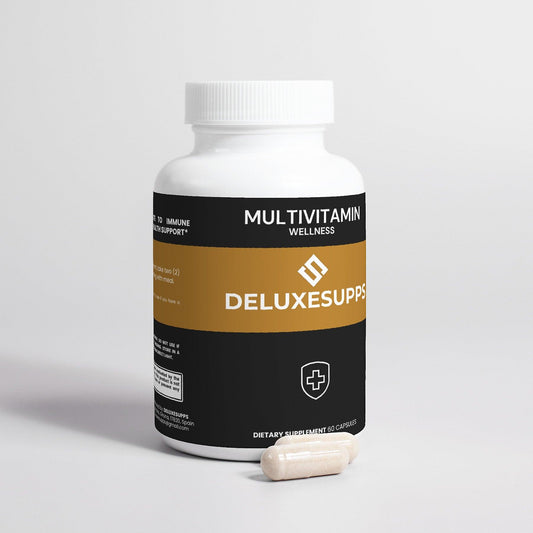
Choose vitamin D3 supplements over D2 for superior bioavailability and effectiveness. Standard dosages range from 1,000 to 4,000 IU daily for maintenance, though individual needs vary significantly. Individuals with deficiency may require higher initial doses under professional supervision. Review the supplement label carefully to confirm the stated potency matches your healthcare provider's recommendation. Complete multivitamin products offer vitamin D alongside complementary nutrients that support comprehensive wellness.
Step Three: Verify Third-Party Testing and Certification
Look for supplements tested by independent organizations such as USP, NSF International, or ConsumerLab. These certifications confirm that products contain the stated ingredients in accurate amounts and are free from harmful contaminants. Reputable manufacturers prominently display testing credentials on packaging or their websites, demonstrating commitment to quality and transparency. This verification step protects you from ineffective or contaminated products.
Step Four: Evaluate Additional Ingredients
Examine the complete ingredient list for beneficial supporting nutrients. Vitamin K2 and magnesium enhance vitamin D absorption and utilization. Avoid supplements containing excessive fillers, artificial colors, or unnecessary additives. Individuals with allergies or dietary restrictions should verify that products contain no problematic ingredients. Choosing supplements with complementary nutrients maximizes overall health benefits and supports synergistic biological effects.
Step Five: Establish a Consistent Supplementation Schedule
Vitamin D demonstrates best absorption when taken with meals containing dietary fat. Establish a daily routine to ensure consistent intake and optimal results. Many individuals find morning supplementation with breakfast convenient and sustainable. Document your supplementation routine to track adherence and facilitate communication with your healthcare provider about effectiveness.
Step Six: Monitor Response and Adjust as Needed
After three months of consistent supplementation, arrange follow-up blood testing to assess whether your vitamin D levels have reached optimal ranges. Based on results, your healthcare provider may recommend dosage adjustments. Some individuals require higher maintenance doses than standard recommendations, while others achieve adequate levels with lower amounts. Regular monitoring ensures you maintain therapeutic vitamin D concentrations without exceeding safe limits. Explore diverse supplement options that complement your vitamin D regimen and support holistic health goals.
Summary and Recommendations
Effective vitamin D supplementation requires thoughtful consideration of individual factors, product quality, and consistent implementation. Rather than selecting the least expensive option, prioritize supplements from manufacturers committed to third-party testing and transparency. Begin with baseline vitamin D measurement to establish appropriate dosing targets aligned with your specific health status.
Select vitamin D3 formulations over alternatives for superior absorption and biological activity. Combine supplementation with lifestyle practices that support natural vitamin D production, including moderate sun exposure, balanced nutrition, and regular physical activity. Monitor your progress through periodic blood testing to confirm you are achieving and maintaining optimal vitamin D concentrations.
Recognize that supplementation represents one component of comprehensive wellness. Creating personalized supplement bundles allows you to address multiple nutritional needs simultaneously, supporting interconnected bodily systems. Consult healthcare providers before beginning any new supplement regimen, particularly if you have existing medical conditions or take medications that might interact with vitamin D.
Consistency proves essential for achieving health benefits from vitamin D supplementation. Establish realistic expectations, understanding that improvements in bone health, immune function, and overall wellness require sustained commitment over months. By following these evidence-based recommendations, you position yourself to optimize vitamin D status and support long-term health and vitality.
Frequently Asked Questions
How Much Vitamin D Should I Take Daily?
Recommended daily vitamin D intake varies by age and individual circumstances. Most healthy adults require 600 to 800 IU daily, though some experts recommend higher amounts between 1,000 and 4,000 IU. Individuals with documented deficiency may need substantially higher doses prescribed by healthcare providers. Your personal vitamin D requirement depends on baseline levels, geographic location, sun exposure, skin tone, age, and existing health conditions. Blood testing allows your healthcare provider to establish your optimal dosage rather than relying on general population guidelines.
What Is the Difference Between Vitamin D2 and D3?
Vitamin D2 (ergocalciferol) originates from plant sources and fungi, while D3 (cholecalciferol) derives from animal sources or sunlight exposure. Research consistently demonstrates that vitamin D3 proves more effective at raising and maintaining serum 25-hydroxyvitamin D levels. D3 exhibits superior bioavailability and longer-lasting effects compared to D2. For supplementation purposes, vitamin D3 represents the more effective choice for most individuals seeking reliable vitamin D elevation. If you follow a strict vegan diet, certain plant-derived D3 options sourced from algae or lichen provide effective alternatives to animal-derived supplements.
Can I Overdose on Vitamin D?
Yes, excessive vitamin D consumption can result in toxicity, though this typically occurs only with prolonged intake of very high doses exceeding 10,000 IU daily without medical supervision. Symptoms of vitamin D toxicity include nausea, vomiting, weakness, kidney problems, and hypercalcemia. The upper tolerable intake level established by health authorities is 4,000 IU daily for most adults. Sunlight exposure and dietary sources alone cannot produce toxic vitamin D levels, as the body self-regulates production. Supplementation combined with regular monitoring prevents overdose and ensures safe, effective vitamin D status optimization.
When Is the Best Time to Take Vitamin D?
Vitamin D absorbs most efficiently when consumed with meals containing dietary fat, as it is a fat-soluble nutrient. Taking your supplement with breakfast, lunch, or dinner optimizes absorption compared to taking it on an empty stomach. Timing flexibility allows you to choose a convenient moment aligned with your daily routine. Consistency matters more than specific timing, so select a time you can reliably maintain daily. Some individuals prefer morning supplementation, while others find evening doses more convenient; both approaches work effectively provided you maintain regularity.
About the Author
Deluxesupps Deluxesupps
Deluxesupps Deluxesupps is a dedicated health and nutrition specialist with extensive expertise in vitamin supplementation and wellness optimization. With years of experience guiding individuals toward evidence-based nutritional choices, Deluxesupps combines scientific knowledge with practical insights to help readers achieve their health objectives. A passionate advocate for supplement quality and transparency, this author remains committed to providing accurate, actionable information that empowers informed decision-making. When not researching the latest nutritional science, you can find Deluxesupps exploring innovative wellness strategies and connecting with the health-conscious community.
The content in this blog post is intended for general information purposes only. It should not be considered as professional, medical, or legal advice. For specific guidance related to your situation, please consult a qualified professional. The store does not assume responsibility for any decisions made based on this information.