









Updated on: 2025-12-09
Choose with clarity. This guide explains how to evaluate women-focused supplements through quality standards, bioavailable forms, and prudent dosages. Learn a practical selection process, common nutrient considerations, and label red flags to avoid. Use the buyer’s checklist and the step-by-step plan to build a safe, goal-aligned routine with confidence.
- 1. Buyer’s Checklist for Female Health Supplements
- 2. Step-by-Step Guide
- 3. FAQ
- 4. Closing Thoughts & CTA
- 5. About the Author
Choosing the right products begins with clarity on needs, quality, and safety. Selecting female health supplements requires a structured approach that respects individual goals, daily diet, and ingredient tolerances. The best outcomes come from consistent habits and careful label review. This article provides a focused buyer’s checklist and a simple process to evaluate forms, doses, certifications, and brand transparency. You will learn how to recognize bioavailable formats, align products with lifestyle, and avoid overlap across nutrients. The result is a streamlined regimen that suits your priorities while staying within prudent intake ranges.
Buyer’s Checklist for Female Health Supplements
Use this checklist to evaluate products with confidence and reduce guesswork:
- Define your primary goal. Common aims include daily micronutrient coverage, energy support, stress resilience, bone maintenance, or skin and hair nourishment. Keep your aims simple and focused.
- Confirm quality standards. Look for third-party testing, certificates of analysis, and good manufacturing practice statements. Clear batch-level transparency signals robust quality control.
- Check bioavailable forms. Prefer methylated B vitamins (such as methylcobalamin), chelated minerals (such as bisglycinate or citrate), omega-3s in triglyceride or re-esterified forms, and vitamin D3 rather than D2 when appropriate.
- Assess dosage rationality. Compare serving sizes to widely accepted reference intakes. Extremely high doses may not be necessary for everyday use unless advised by a professional.
- Review the full label. Examine active and inactive ingredients. Minimize artificial colors, excessive sweeteners, and unnecessary fillers. Choose simple, transparent formulas.
- Evaluate allergens and dietary fit. Note gluten-free, dairy-free, soy-free, or vegan indicators if relevant. Ensure the product suits your dietary pattern and sensitivities.
- Consider delivery format. Capsules and tablets favor precision. Powders can be flexible for shakes. Gummies are convenient but may add sugars and often carry lower potencies.
- Identify overlap across products. If you use a multivitamin plus targeted formulas, watch for repeated nutrients that could push intakes higher than intended.
- Prioritize brand transparency. Favor companies that disclose ingredient sources, testing methods, and stability data. Clear contact pathways and knowledge centers are positive signs.
- Match to common needs thoughtfully. Examples include a comprehensive daily multi, omega-3s for dietary gaps, magnesium for evening routines, iodine and selenium for thyroid support roles within normal function, or choline for dietary shortfalls. Choose only what aligns with your goals.
- Start simple. Begin with one or two well-chosen products. Expand your stack only if a clear need emerges.
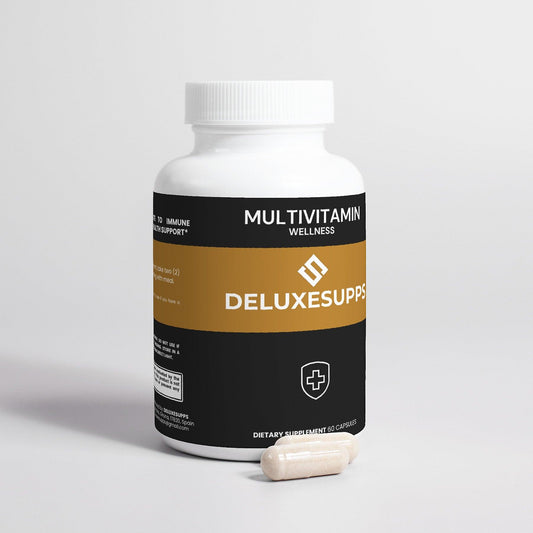
For broad daily coverage, many shoppers start with a well-rounded multi. Explore options such as the Complete Multivitamin and combine it thoughtfully with targeted additions only as needed. When considering stress or mood balance, some prefer gentle adaptogens like Ashwagandha. For antioxidant and bee-derived complexes, review specialized blends such as Bee Pearl. Always confirm that combinations do not duplicate key nutrients.
Step-by-Step Guide
Use these numbered steps to move from research to a consistent routine:
- 1. Clarify your objective. Choose one priority, such as daily micronutrient coverage, stress resilience, or a focus on bone, hair, or skin. Keep the scope tight at first.
- 2. Audit your diet and lifestyle. List foods you consume regularly, sun exposure patterns, and training habits. Identify reliable sources of protein, healthy fats, and fiber to see where true gaps may exist.
- 3. Shortlist evidence-aligned nutrients. Match goals to nutrients with established roles, such as vitamin D3 for daily intake targets, omega-3s for common dietary gaps, magnesium for evening routines, or a comprehensive multivitamin for broad coverage.
- 4. Examine labels for forms and doses. Favor methylated B vitamins, chelated minerals, and clean excipients. Compare serving sizes to reference intakes. Avoid unnecessary megadoses unless specifically recommended.
- 5. Verify testing and transparency. Seek third-party validation and batch testing. Read brand quality pages and look for clear quality statements and contact pathways.
- 6. Introduce products gradually. Add one item at a time. Track your intake schedule and note any changes in tolerance, digestion, or energy throughout the day.
- 7. Monitor overlap and adjust. Review your stack monthly. Consolidate where possible to keep routines simple and efficient; this is especially important when rotating female health supplements.
- 8. Reassess seasonally and with life changes. Training load, travel, and dietary shifts can change needs. Adjust timing and serving sizes as your routine evolves.
FAQ
Are gummies as effective as capsules or powders?
Gummies can be convenient and palatable, but they often contain lower potencies and may include sugars or sugar alcohols. Capsules and powders typically offer more precise dosing and wider formula options. If you choose gummies, confirm the potency per serving, verify third-party testing, and account for added sweeteners within your daily intake.
When should I choose a multivitamin versus a targeted formula?
A multivitamin suits broad coverage when daily eating patterns may not meet reference intakes. Choose targeted products when you have a clear objective, such as omega-3 intake or magnesium for evening routines. Many individuals combine a quality multivitamin with one targeted product. Keep formulations simple to avoid excessive overlap.
How long does it take to notice benefits?
Timeframes vary by nutrient, routine, and baseline diet. Some changes are subtle and depend on consistency rather than rapid effects. Focus on steady habits, suitable serving sizes, and alignment with meals or time of day. Periodically review your plan to confirm that each product still serves a clear purpose.
Can I combine several products in one routine?
Yes, provided you monitor overlap and respect serving directions. Many people pair a daily multi with one or two focused additions. Keep total intakes within prudent ranges. To build a streamlined stack that suits your goals, explore options and mix-and-match thoughtfully via Create Your Bundle.
Closing Thoughts & CTA
Smart selection begins with clear goals, transparent labels, and practical doses. Use the checklist to focus on quality, then apply the step-by-step process to create a simple routine you can sustain. Keep labels clean, avoid redundancy, and review your plan as life evolves. When ready to refine or expand your stack, compare options, assess forms and potencies, and build with discipline and care.
About the Author
Deluxesupps Deluxesupps is a specialist content team focused on supplements, product quality, and practical wellness routines. We translate complex topics into clear buying decisions grounded in transparency and simplicity. Thank you for reading, and we hope this guide helps you shop with confidence.
The content in this blog post is intended for general information purposes only. It should not be considered as professional, medical, or legal advice. For specific guidance related to your situation, please consult a qualified professional. The store does not assume responsibility for any decisions made based on this information.