


Updated on: February 16, 2026
High-potency vitamin C is a powerful antioxidant supplement that supports immune function, collagen production, and overall cellular health. This comprehensive guide explores the science behind potent ascorbic acid formulations, debunks common misconceptions, and provides evidence-based recommendations for selecting the right supplement for your wellness routine. Learn how bioavailability, dosage, and formulation type impact effectiveness and results.
Table of Contents
- Product Spotlight: Understanding High-Potency Vitamin C
- Myths vs. Facts: Separating Truth from Fiction
- Frequently Asked Questions
- Final Recommendations for Optimal Results
- Questions and Answers
- About the Author
Introduction
Vitamin C, also known as ascorbic acid, remains one of the most researched and utilized micronutrients in the health and wellness industry. High-potency vitamin C supplements deliver concentrated doses of this essential nutrient, offering significant benefits for immune support, antioxidant protection, and structural health. Whether you are an athlete seeking enhanced recovery, a professional managing daily stress, or someone committed to preventive health measures, understanding how high-potency vitamin C works is fundamental to making informed supplementation decisions.
This article provides you with detailed insights into potent ascorbic acid formulations, their mechanisms of action, practical application guidelines, and evidence-based recommendations. By the end, you will possess the knowledge necessary to evaluate supplement quality, determine appropriate dosages, and select products aligned with your health objectives.
Product Spotlight: Understanding High-Potency Vitamin C
High-potency vitamin C refers to supplements containing elevated concentrations of ascorbic acid, typically ranging from five hundred milligrams to two thousand milligrams per serving. These formulations are designed to exceed the recommended dietary allowance and deliver therapeutic benefits for individuals with elevated nutritional demands or specific health goals.
The effectiveness of potent ascorbic acid products depends on several critical factors. Bioavailability—the degree to which your body absorbs and utilizes the nutrient—varies significantly among different formulation types. Standard ascorbic acid offers basic bioavailability, while buffered forms, liposomal encapsulations, and mineral chelate combinations enhance absorption rates substantially. Liposomal vitamin C, for example, encapsulates ascorbic acid in phospholipid layers, allowing superior intestinal absorption and cellular penetration compared to conventional tablets or powders.
Quality high-potency formulations include complementary ingredients that amplify efficacy. Bioflavonoids enhance antioxidant activity and support collagen synthesis. Rosehip extract and citrus bioflavonoid complexes work synergistically with ascorbic acid to maximize immune support and reduce oxidative stress. Additionally, many premium products incorporate cofactors such as zinc, selenium, and copper, which support the body's natural antioxidant enzyme systems.

Molecular structure of ascorbic acid crystalline form with vibrant color gradient representation.
The distinction between high-potency and standard vitamin C formulations lies not only in concentration but also in delivery mechanisms and supporting nutrient profiles. Effervescent powders dissolve rapidly, offering quick absorption. Time-release capsules provide sustained nutrient delivery throughout the day. Chewable tablets offer convenience but may compromise bioavailability due to digestive enzyme exposure. Understanding these distinctions enables you to select formulations matching your lifestyle and absorption preferences.
Myths vs. Facts: Separating Truth from Fiction
Myth: All Vitamin C Supplements Provide Identical Benefits
Fact: Formulation type, bioavailability, and supporting ingredients create substantial differences in effectiveness. Liposomal and buffered forms demonstrate superior absorption compared to basic ascorbic acid powders. Additionally, products containing complementary antioxidants and bioflavonoids deliver enhanced results beyond what isolated ascorbic acid alone can achieve. Quality manufacturing, third-party testing, and transparent ingredient sourcing significantly impact actual nutrient bioavailability and health outcomes.
Myth: High-Potency Vitamin C Creates Kidney Stones in Everyone
Fact: Excessive intake may increase risk for individuals with specific predisposing conditions, such as kidney disease or hyperoxaluria. However, for healthy individuals with adequate hydration, high-potency supplementation does not inherently cause kidney stone formation. Most research indicates that individuals without pre-existing kidney conditions tolerate doses up to two thousand milligrams daily without adverse effects. Proper hydration and individual medical consultation remain essential before beginning supplementation protocols.
Myth: Megadosing Vitamin C Prevents All Illnesses
Fact: While potent ascorbic acid supports immune function through multiple mechanisms, it is not a universal preventive agent. Vitamin C enhances white blood cell production, supports mucous membrane integrity, and provides antioxidant protection—all contributing to immune resilience. However, comprehensive health depends on balanced nutrition, adequate sleep, regular physical activity, stress management, and additional micronutrients. Supplementation represents one component of an integrated wellness strategy, not a standalone solution.

Interconnected molecular pathways illustrating collagen synthesis and immune cell activation processes.
Myth: Your Body Excretes Excess Vitamin C Immediately Without Benefit
Fact: While water-soluble vitamin C does have saturation points, research demonstrates that adequate intake up to tolerance levels provides cumulative benefits. The body maintains a pool of circulating ascorbic acid that participates in collagen cross-linking, carnitine synthesis, tyrosine metabolism, and immune regulation. Excess excretion occurs only beyond saturation points, typically around one to three grams daily for most individuals. Strategic dosing throughout the day, rather than single large doses, optimizes tissue accumulation.
Frequently Asked Questions
What Is the Recommended Daily Dosage for High-Potency Vitamin C Supplementation?
The recommended dietary allowance for adults ranges from seventy-five to ninety milligrams daily. However, many practitioners recommend higher doses for specific purposes: five hundred to one thousand milligrams daily for general immune support, one thousand to two thousand milligrams for enhanced antioxidant protection, and up to three thousand milligrams for acute stress periods or recovery protocols. Individual tolerance varies based on age, kidney function, and digestive sensitivity. Consultation with a healthcare provider ensures appropriate dosing for your specific circumstances.
How Does High-Potency Vitamin C Support Collagen Production and Skin Health?
Ascorbic acid functions as an essential cofactor for prolyl hydroxylase and lysyl hydroxylase enzymes, which stabilize collagen triple-helical structure. Without adequate vitamin C, collagen synthesis becomes impaired, leading to weakened connective tissue. High-potency formulations ensure sufficient substrate availability for robust collagen cross-linking, supporting skin elasticity, joint integrity, and connective tissue strength. Regular supplementation combined with adequate protein intake and resistance training amplifies these effects substantially.
Should I Choose Buffered or Unbuffered Vitamin C Formulations?
Buffered formulations bind ascorbic acid to minerals like calcium, magnesium, or potassium, reducing gastrointestinal irritation while slightly decreasing absorption speed. Unbuffered ascorbic acid offers rapid absorption but may cause digestive discomfort in sensitive individuals. For optimal results, buffered forms suit those with sensitive digestive systems, while unbuffered options work better for individuals seeking rapid systemic delivery. Liposomal encapsulations represent a premium alternative, offering both bioavailability and gastrointestinal tolerance advantages.
Final Recommendations for Optimal Results
When selecting a high-potency vitamin C supplement, prioritize products from reputable manufacturers offering comprehensive supplement collections with verified quality standards. Third-party testing through NSF International, United States Pharmacopeia, or ConsumerLab ensures accurate labeling, contaminant absence, and bioavailability verification.
Establish a consistent supplementation protocol aligned with your health objectives. For general wellness, consume five hundred to one thousand milligrams daily with meals to enhance absorption. For enhanced immune support during stressful periods, consider increasing to one thousand to two thousand milligrams daily, divided into multiple doses for optimal tissue saturation. Combine supplementation with adequate hydration—minimum two liters daily—to support kidney function and nutrient distribution.
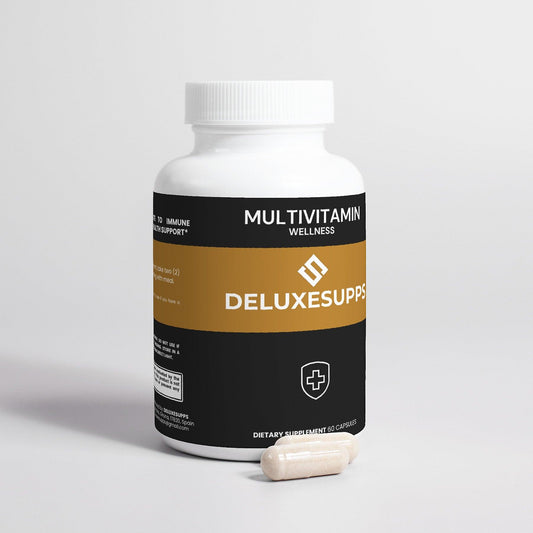
Consider exploring complementary supplements that enhance vitamin C effectiveness. Complete multivitamin formulations provide synergistic cofactors including zinc, selenium, and copper that amplify antioxidant activity. For individuals focused on recovery and performance, mushroom complex supplements offer additional immune-modulating compounds that work synergistically with high-potency vitamin C.
Monitor your individual response carefully. Most individuals experience improved energy, enhanced immunity markers, and accelerated recovery within two to four weeks of consistent supplementation. If you experience gastrointestinal discomfort, reduce dosage or switch to buffered formulations. Discontinue supplementation and consult healthcare providers if you develop kidney pain, unusual urinary changes, or adverse reactions.
Timing matters significantly for absorption optimization. Consume vitamin C supplements with meals containing adequate fat to enhance bioavailability. Avoid consuming high-potency vitamin C within two hours of iron supplements if you do not require additional iron, as ascorbic acid significantly enhances iron absorption—beneficial in some contexts, unnecessary in others. Split daily doses into multiple smaller servings rather than single megadoses to maintain consistent blood levels and optimize tissue accumulation.
For athletic individuals and those pursuing enhanced performance outcomes, performance-focused supplement protocols incorporating high-potency vitamin C demonstrate measurable benefits for recovery, connective tissue integrity, and oxidative stress reduction following intense training.
Questions and Answers
Can High-Potency Vitamin C Improve Athletic Recovery and Performance?
Yes, research indicates that adequate ascorbic acid status supports enhanced recovery through multiple mechanisms. Vitamin C reduces exercise-induced oxidative stress, supports immune function during intense training phases, facilitates collagen synthesis for connective tissue repair, and enhances iron absorption for optimal oxygen transport. Athletes consuming one thousand to two thousand milligrams daily alongside recovery-focused protocols demonstrate improved soreness reduction, faster strength restoration, and enhanced training tolerance compared to unsupplemented athletes. Optimal results emerge when combined with adequate protein intake, resistance training, and proper sleep.
Is High-Potency Vitamin C Safe for Long-Term Daily Consumption?
For most healthy individuals, daily consumption of up to two thousand milligrams remains safe and well-tolerated based on extensive research literature. However, individuals with specific medical conditions require modified protocols. Those with kidney disease, hemochromatosis, glucose-six-phosphate dehydrogenase deficiency, or family history of kidney stones should consult healthcare providers before high-potency supplementation. Additionally, individuals taking medications that interact with vitamin C, such as certain anticoagulants or medications affected by iron absorption, require medical guidance. Regular medical monitoring ensures safe, beneficial supplementation aligned with individual health status.
How Does Bioavailability Impact the Effectiveness of Vitamin C Supplements?
Bioavailability determines what percentage of consumed vitamin C your body actually absorbs and utilizes. Standard ascorbic acid powder achieves approximately twenty to thirty percent bioavailability. Buffered forms improve absorption to forty to fifty percent. Liposomal encapsulations dramatically enhance bioavailability to seventy to ninety percent through phospholipid protection and enhanced intestinal permeability. This means that two hundred milligrams of liposomal vitamin C may provide equivalent or superior benefits compared to one thousand milligrams of standard ascorbic acid. When evaluating supplements, prioritize bioavailability-enhanced formulations to maximize clinical benefit and optimize supplement investment.
Should Vegetarians and Vegans Consider Specialized Vitamin C Formulations?
Plant-based diets can provide adequate vitamin C through citrus fruits, berries, leafy greens, and bell peppers. However, processing losses, storage time, and individual absorption variations may justify supplementation. Ensure selected formulations utilize vegan-compatible capsule materials—most reputable manufacturers now offer cellulose or fermentation-derived capsules rather than gelatin. Additionally, verify that supporting ingredients like bioflavonoids derive from plant sources. Many high-quality formulations specifically target plant-based consumer needs with transparent sourcing and certification documentation.
About the Author
Deluxesupps Deluxesupps
Deluxesupps Deluxesupps brings extensive expertise in nutritional science, supplement formulation, and evidence-based wellness strategies. With years of dedicated research into micronutrient bioavailability and performance nutrition, Deluxesupps has helped thousands of individuals optimize supplementation protocols aligned with their unique health objectives. This article reflects commitment to providing scientifically-grounded, practical guidance for supplement selection and implementation. We welcome your questions and look forward to supporting your wellness journey.
The content in this blog post is intended for general information purposes only. It should not be considered as professional, medical, or legal advice. For specific guidance related to your situation, please consult a qualified professional. The store does not assume responsibility for any decisions made based on this information.