





Updated on: January 21, 2026
Selecting premium nutritional supplements requires understanding quality standards, ingredient sourcing, and manufacturing processes. This guide explores essential factors that distinguish superior products from inferior alternatives, common pitfalls consumers encounter, and practical strategies for making informed purchasing decisions. Learn how to evaluate supplement efficacy, verify third-party testing, and identify reliable brands that prioritize safety and transparency.
Table of Contents
- Understanding Premium Nutritional Supplements
- Common Mistakes to Avoid
- Pros and Cons Analysis
- Quick Tips for Smart Selection
- Wrap-Up and Key Insights
- Questions and Answers
- About the Author
Understanding Premium Nutritional Supplements
The supplement industry generates billions in annual revenue, yet consumers often struggle to distinguish between genuinely effective products and those lacking substantive benefits. Premium formulations differ significantly from standard alternatives through rigorous quality control, evidence-based ingredient selection, and transparent manufacturing practices. When evaluating options, understanding the foundational principles of supplement excellence becomes essential for achieving desired health outcomes.
High-quality dietary supplements undergo stringent testing protocols before reaching consumers. Reputable manufacturers invest in third-party verification, stability testing, and contamination screening. These measures ensure products contain precisely labeled ingredient quantities and remain free from harmful substances. The commitment to quality reflects a brand's dedication to consumer safety and product efficacy.
Manufacturing standards significantly impact supplement integrity. Facilities operating under Good Manufacturing Practice (GMP) certification maintain controlled environments, implement consistent quality procedures, and maintain detailed batch records. This structured approach minimizes variability and reduces risks associated with contamination or ingredient degradation. Consumers selecting premium nutritional products benefit from these established protocols and professional oversight.
Common Mistakes to Avoid
Many consumers make purchasing decisions based on price alone, overlooking critical quality indicators. While cost considerations matter, selecting the cheapest option frequently results in inferior formulations containing fillers, binders, or ineffective ingredient quantities. Premium supplements command higher prices due to superior sourcing, testing, and manufacturing expenses. Prioritizing price over quality often undermines health objectives and wastes financial resources.
Neglecting to verify third-party testing represents another significant error. Independent testing organizations validate ingredient accuracy and screen for contaminants including heavy metals, bacteria, and unwanted substances. Products lacking this verification provide no assurance regarding actual contents or safety. Consumers should actively seek testing certifications from recognized organizations before committing to purchases.
Ignoring ingredient sourcing practices constitutes a further mistake. Raw materials originating from unregulated suppliers may contain impurities or lower bioavailability. Transparent manufacturers disclose sourcing locations, extraction methods, and quality standards applied to ingredients. This transparency enables consumers to assess whether components meet their specific requirements and ethical considerations.
Failing to read ingredient labels thoroughly leads to purchasing products containing allergens or unnecessary additives. Some formulations include synthetic fillers, artificial colors, or binders that lack nutritional value and may trigger adverse reactions. Careful label examination ensures selected supplements align with dietary restrictions and personal preferences. This practice prevents unintended consumption of unwanted substances.
Overlooking expiration dates and storage conditions affects supplement potency. Improper storage exposes products to moisture, heat, and light degradation. Consuming expired supplements may provide diminished benefits or potential safety concerns. Consumers should verify manufacturing dates, store products appropriately, and track expiration timelines to maintain product integrity.
Pros and Cons Analysis
Advantages of Premium Supplements
- Superior ingredient bioavailability ensures enhanced absorption and utilization within the body
- Third-party testing confirms ingredient accuracy and contaminant-free status
- GMP-certified facilities maintain consistent quality across production batches
- Transparent labeling provides complete information regarding ingredients and sourcing
- Evidence-based formulations reflect scientific research and nutritional science principles
- Reduced risk of adverse reactions or unwanted side effects from contaminants
- Extended shelf stability preserves potency throughout the product lifecycle
- Enhanced customer support and satisfaction guarantees from reputable manufacturers
Disadvantages of Premium Supplements
- Higher price points may exceed budget constraints for cost-conscious consumers
- Wider selection creates decision paralysis when evaluating multiple quality options
- Premium pricing does not guarantee individual efficacy or personal results
- Limited availability in certain geographic regions or retail locations
- Extensive research requirements demand time investment before purchasing
- Misleading marketing claims occasionally accompany premium products
- Regulatory oversight varies across countries and product categories
Quick Tips for Smart Selection
- Verify Third-Party Testing: Confirm products contain seals from NSF International, USP, or ConsumerLab indicating independent verification
- Check Manufacturing Standards: Confirm GMP certification demonstrating adherence to strict quality protocols and facility regulations
- Research Brand Reputation: Investigate manufacturer history, customer reviews, and industry standing before committing to purchases
- Review Ingredient Sourcing: Select brands disclosing origin locations and extraction methods for raw materials
- Examine Label Details: Confirm ingredient quantities match personal requirements and identify potential allergens or additives
- Consult Healthcare Providers: Discuss selections with physicians or registered dietitians to ensure compatibility with existing treatments
- Compare Cost-Per-Serving: Calculate actual per-dose expenses rather than focusing solely on package pricing
- Request Documentation: Ask manufacturers for testing certificates, COA (Certificate of Analysis), or safety data upon request
- Store Appropriately: Maintain products in cool, dry locations away from direct sunlight to preserve potency
- Track Expiration Dates: Monitor manufacturing and expiration dates to ensure products remain within acceptable timeframes
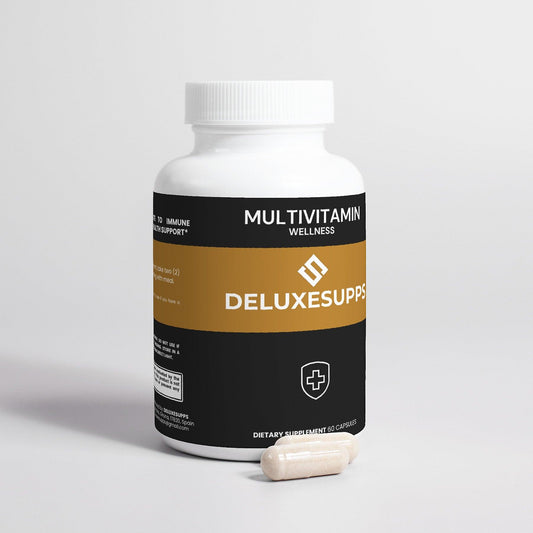
For consumers seeking comprehensive nutritional support, exploring complete multivitamin formulations offers convenient multi-nutrient coverage. Additionally, customized supplement bundles enable tailored approaches targeting specific health objectives.
Wrap-Up and Key Insights
Selecting premium nutritional supplements requires balancing multiple considerations including quality standards, ingredient integrity, manufacturing practices, and personal health objectives. Consumers benefit from understanding common mistakes, evaluating product specifications thoroughly, and prioritizing transparent brands demonstrating commitment to safety and efficacy. While premium products typically command higher investments, the assurance of quality, testing, and reliable formulations justifies the expense for health-conscious individuals.
Moving forward, prospective purchasers should implement systematic evaluation approaches incorporating third-party testing verification, manufacturing standard confirmation, and ingredient sourcing assessment. By establishing clear criteria and conducting thorough research, consumers position themselves to make confident purchasing decisions aligned with their wellness goals. The commitment to quality ultimately translates into superior health outcomes and long-term satisfaction.
Take action today by auditing your current supplement regimen. Evaluate existing products against quality standards outlined in this guide. Research alternatives offering enhanced quality, transparency, and verified efficacy. Consider consulting with healthcare professionals regarding optimal selections for your specific circumstances. Making informed decisions about nutritional supplementation represents an investment in your health and future wellness.
Questions and Answers
What distinguishes high-quality dietary supplements from standard formulations?
Premium nutritional products demonstrate superior quality through third-party independent testing, GMP-certified manufacturing facilities, transparent ingredient sourcing, and evidence-based formulations supported by scientific research. Standard alternatives often lack these verification measures and may contain fillers, inaccurate ingredient quantities, or undisclosed additives. Premium brands prioritize consumer safety through rigorous quality control protocols, stability testing, and contamination screening. This commitment to excellence ensures consistent potency, accurate labeling, and products free from harmful substances. Consumers can identify quality distinctions by reviewing testing certifications, researching manufacturer credentials, and examining detailed label information.
How can consumers verify supplement product testing and safety?
Consumers should examine product packaging and manufacturer websites for third-party testing certifications from organizations including NSF International, USP (United States Pharmacopeia), or ConsumerLab. These independent verifications confirm ingredient accuracy, potency levels, and freedom from contaminants including heavy metals and bacteria. Requesting Certificates of Analysis (COA) directly from manufacturers provides detailed testing documentation. Reputable brands willingly provide testing information demonstrating commitment to transparency. Consulting the FDA database and industry resources offers additional verification opportunities. Cross-referencing multiple sources strengthens confidence in product safety and authenticity before purchasing.
Why do premium supplements cost more than budget alternatives?
Superior supplements require significant investments in high-quality raw materials from regulated suppliers, third-party testing services, GMP-certified facility operations, and research-backed formulation development. Budget alternatives often reduce costs through lower-quality ingredients, minimal testing, and simplified manufacturing processes. Premium manufacturers dedicate resources to ingredient sourcing verification, contamination screening, stability testing, and quality assurance throughout production. These measures ensure consistent potency, safety, and efficacy. While higher prices reflect elevated expenses, the return on investment manifests through improved health outcomes, reduced risks of adverse reactions, and reliable product performance. Consumers receive measurable value through quality assurance investments and professional manufacturing standards.
What role does third-party testing play in supplement quality assurance?
Third-party testing provides independent verification that products contain accurately labeled ingredients in specified quantities without harmful contaminants. This objective assessment removes manufacturer bias and confirms adherence to quality standards. Testing organizations analyze ingredients for potency, purity, and stability across various storage conditions. Results identify potential contamination including heavy metals, microbial pathogens, or undeclared substances. Certification seals communicate to consumers that products have undergone rigorous scrutiny. Manufacturers demonstrating testing transparency build consumer trust and differentiate themselves within competitive markets. This verification process represents the most reliable mechanism for confirming product safety and efficacy.
How should consumers evaluate supplement ingredients and potential allergens?
Carefully review complete ingredient and supplement facts labels identifying all components including active ingredients, fillers, binders, and additives. Check for common allergens including shellfish, tree nuts, dairy, gluten, or soy. Cross-reference unknown ingredients through reliable databases or consult healthcare professionals regarding potential concerns. Consider personal dietary restrictions, medication interactions, and existing health conditions. Premium brands provide transparent sourcing information and may offer allergen-free or specialized formulations. Contacting manufacturers directly clarifies ingredient processing methods, potential cross-contamination risks, and allergen protocols. This thorough investigation prevents adverse reactions and ensures selected supplements align with personal health requirements.
What storage practices maintain supplement potency and safety?
Store supplements in cool, dry locations away from direct sunlight, heat sources, and moisture exposure. Bathroom medicine cabinets experience temperature fluctuations unsuitable for optimal storage. Dedicated pantries or bedroom drawers provide more stable environments. Keep products in original packaging featuring protective barriers against light and air exposure. Close containers tightly after each use to prevent degradation. Monitor expiration dates and discard products beyond recommended timeframes. Temperature stability, humidity control, and light protection collectively preserve ingredient potency and safety. Proper storage practices extend product lifespan and ensure maximum efficacy when consumed.
For those interested in exploring specialized formulations, herbal supplement options and mushroom complex formulations offer targeted wellness support backed by quality standards.
About the Author
Deluxesupps Deluxesupps brings extensive expertise in nutritional sciences and supplement formulation to this comprehensive guide. With years of experience evaluating product quality, manufacturing standards, and consumer health outcomes, Deluxesupps Deluxesupps remains dedicated to providing evidence-based information empowering informed purchasing decisions. This commitment reflects a passion for helping individuals achieve optimal wellness through transparent, research-supported nutritional guidance. Connect for additional resources, personalized recommendations, or questions regarding supplement selection strategies.
The content in this blog post is intended for general information purposes only. It should not be considered as professional, medical, or legal advice. For specific guidance related to your situation, please consult a qualified professional. The store does not assume responsibility for any decisions made based on this information.