








Updated on: February 11, 2026
Low-impact cardiovascular exercise protects your joints while building endurance and strength. This comprehensive guide explores proven techniques for maintaining joint health during aerobic training, including swimming, cycling, and elliptical workouts. Discover how to structure effective training sessions, select appropriate equipment, and incorporate recovery strategies to maximize fitness gains without compromising joint integrity.
Table of Contents
- Benefits of Low-Impact Cardiovascular Training
- Buyer's Checklist for Joint-Friendly Equipment
- Step-by-Step Guide to Safe Aerobic Workouts
- Frequently Asked Questions
- Closing Thoughts and Recommendations
Benefits of Low-Impact Cardiovascular Training
Joint-friendly cardio workouts represent a scientifically supported approach to cardiovascular fitness that prioritizes long-term musculoskeletal health. Unlike high-impact activities that create repetitive stress on joints, these exercise methods distribute force evenly across joints and surrounding tissues. The primary advantage lies in sustained participation capability—individuals can maintain consistent training without injury interruptions that plague high-impact practitioners.
Cardiovascular adaptation occurs through improved aerobic capacity, enhanced oxygen utilization, and strengthened heart function. Research demonstrates that low-impact aerobic exercise reduces inflammation markers in individuals with joint sensitivity while improving overall metabolic health. Additionally, these training modalities strengthen stabilizer muscles around joints, providing improved support and reducing injury risk during daily activities.
Weight management becomes significantly easier through regular low-impact cardiovascular training. Consistent sessions elevate metabolic rates and promote fat loss while preserving lean muscle mass. Mental health benefits accompany physical improvements, as aerobic exercise increases endorphin production and reduces stress hormones that contribute to systemic inflammation.

Diverse exercise options including water aerobics, cycling, and elliptical training demonstrated with proper form.
Buyer's Checklist for Joint-Friendly Equipment
Before beginning a low-impact cardio program, ensure you have appropriate resources and equipment:
- Properly fitting athletic footwear with adequate cushioning and arch support for your specific foot type
- Access to a swimming facility or water-based exercise environment if pursuing aquatic training
- Stationary cycling equipment with adjustable seat height and handlebar positioning for ergonomic alignment
- Elliptical machine or cross-trainer with adjustable stride length and resistance levels
- Non-slip exercise mat for floor-based workouts and stretching routines
- Heart rate monitor or fitness tracking device to maintain appropriate training intensity zones
- Recovery tools including foam rollers and resistance bands for post-workout mobility work
- Comfortable, moisture-wicking athletic clothing that permits full range of motion
- Hydration system to maintain fluid intake during extended training sessions
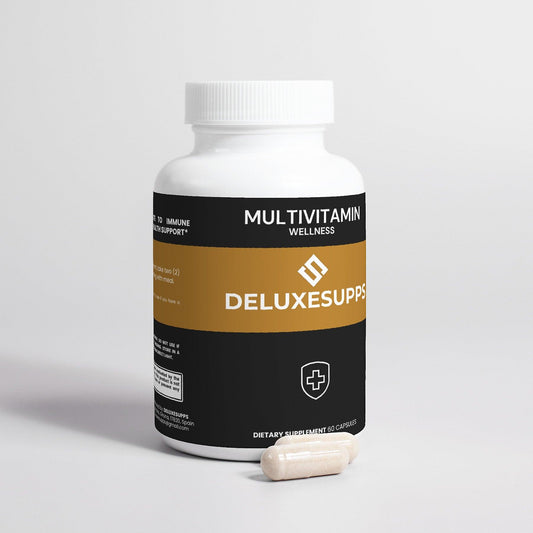
- Supplement support such as complete multivitamins to support recovery and joint health
Selecting Appropriate Cardiovascular Modalities
Multiple exercise options exist for individuals seeking joint-friendly cardio workouts. Swimming and water-based aerobics provide exceptional joint protection through buoyancy, which reduces impact forces while maintaining resistance for muscular engagement. Water temperature supports muscle relaxation and reduces inflammation, making aquatic training particularly beneficial for individuals with pre-existing joint concerns.
Stationary cycling offers controlled movement patterns that minimize stress on weight-bearing joints while building lower body muscular endurance. The seated position distributes body weight evenly across the seat, reducing joint compression. Recumbent cycling variants provide additional spinal support and are particularly suitable for individuals with lower back sensitivity.
Elliptical machines create smooth, continuous motion that eliminates impact phases present in running or jumping activities. The gliding pattern maintains constant foot contact with pedals, significantly reducing ground reaction forces transmitted through lower extremity joints. Cross-training machines offer similar benefits with added upper body engagement.
Step-by-Step Guide to Safe Aerobic Workouts
Preparation and Assessment
Begin by evaluating your current fitness level and any existing joint concerns. Consult with healthcare providers if you have diagnosed joint conditions or previous injuries. Establish baseline cardiovascular measurements including resting heart rate and current aerobic capacity. This assessment guides appropriate training intensity and helps track improvement over time.
Warm-Up Protocol
Initiate every training session with a ten to fifteen-minute warm-up period. Begin with gentle, dynamic stretching movements that gradually increase muscle temperature and synovial fluid production in joints. Perform arm circles, leg swings, and torso rotations to mobilize major joints. Progress to five minutes of very low-intensity activity in your chosen cardio modality—light swimming, easy cycling, or slow elliptical movement. This preparation phase increases heart rate gradually and prepares cardiovascular and musculoskeletal systems for elevated intensity.
Primary Training Phase
Execute your main cardiovascular workout at an intensity corresponding to sixty to eighty percent of your maximum heart rate, depending on fitness level and training goals. Maintain this intensity for twenty to forty-five minutes based on your current aerobic capacity. Beginners should start with shorter durations and progress gradually over weeks. Intermediate and advanced exercisers can incorporate interval training—alternating moderate and higher intensity periods—to enhance cardiovascular adaptations while allowing recovery intervals.

Heart rate zones displayed with training intensity percentages and corresponding cardiovascular adaptation benefits.
Cool-Down and Recovery
Conclude every session with a gradual intensity reduction lasting ten to fifteen minutes. Slowly decrease your pace while maintaining continuous movement to facilitate gradual heart rate lowering. This cool-down phase prevents blood pooling and supports efficient lactic acid removal. Follow aerobic exercise with static stretching targeting muscles used during training. Hold stretches for thirty seconds without bouncing, emphasizing hip flexors, hamstrings, quadriceps, and calf muscles.
Progressive Training Structure
Implement progressive overload by gradually increasing training duration or intensity. Add five minutes to total workout time every two weeks, or increase resistance and speed incrementally. This progression strategy builds cardiovascular capacity while providing adequate adaptation time for joints and connective tissues. Allow at least one to two rest days weekly to facilitate recovery and prevent overtraining syndrome.
Enhancing Recovery and Joint Support
Post-workout nutrition significantly influences recovery quality and joint health. Consume carbohydrate and protein combinations within two hours after training to replenish glycogen stores and support muscle protein synthesis. Consider incorporating nutrient-rich supplements that support joint function and recovery processes.
Mobility work between training sessions enhances joint range of motion and reduces injury risk. Perform foam rolling on major muscle groups for one to two minutes per area, avoiding direct application over joints. Resistance band exercises targeting stabilizer muscles provide additional joint support without excessive impact loading.
Sleep quality directly impacts recovery capacity and inflammation management. Maintain consistent sleep schedules with seven to nine hours nightly. Elevated sleep quality supports hormonal optimization and tissue repair processes essential for sustainable training progression.
Frequently Asked Questions
How frequently should I perform low-impact cardiovascular training?
The American Heart Association recommends one hundred fifty minutes of moderate-intensity aerobic activity weekly, distributed across three to five training sessions. This frequency permits adequate recovery while providing sufficient stimulus for cardiovascular adaptation. Beginners should start with three sessions weekly and progress based on recovery and tolerance.
Can I transition from high-impact to low-impact training without losing fitness?
Yes, low-impact modalities provide equivalent cardiovascular benefits when intensity levels are matched appropriately. Your fitness level persists, though you may experience brief adaptation periods as muscles acclimate to different movement patterns. Continue training at appropriate intensity zones to maintain cardiovascular adaptations acquired from previous training.
Should I incorporate supplemental support alongside cardio training?
Strategic supplementation supports training outcomes and recovery processes. Comprehensive nutrition remains foundational, but targeted supplements addressing joint health, energy production, and recovery can enhance results. Consult healthcare providers regarding appropriate supplementation aligned with your specific health status and training goals.
What duration is required to experience cardiovascular improvements?
Physiological adaptations begin within two to four weeks of consistent training. Initial improvements include enhanced circulation and improved exercise tolerance. Substantial cardiovascular enhancements typically manifest within eight to twelve weeks of sustained training at appropriate intensity levels.
Is cross-training beneficial for joint-friendly cardio development?
Absolutely. Alternating between swimming, cycling, elliptical training, and rowing provides varied stimulus while distributing stress across different muscle groups and joints. Cross-training prevents adaptation plateaus, reduces overuse injury risk, and maintains engagement and motivation throughout your training journey.
Closing Thoughts and Recommendations
Joint-friendly cardio workouts represent a sustainable approach to cardiovascular fitness that accommodates individuals across all fitness levels. By selecting appropriate modalities, implementing progressive training structures, and prioritizing recovery strategies, you can build exceptional aerobic capacity without compromising joint health.
Start conservatively with your current fitness level, progress deliberately through carefully structured increases, and listen to your body's feedback throughout your training journey. Incorporate mobility work, ensure adequate nutrition, and consider strategic supplementation to support your training adaptation and recovery processes.
Consistency matters more than intensity when building long-term fitness success. Begin your joint-friendly cardio program today by exploring evidence-based training resources and establishing sustainable training habits. Your commitment to low-impact training now builds a foundation for lifelong cardiovascular health and functional fitness capacity.
About the Author
Deluxesupps Deluxesupps is a certified fitness specialist with extensive expertise in evidence-based training methodologies and recovery optimization. With years of experience developing sustainable fitness programs for diverse populations, the author combines scientific knowledge with practical application to deliver actionable guidance. Deluxesupps Deluxesupps advocates for joint-protective training approaches that support long-term health and fitness achievement. Connect with the author's training philosophy and mindset resources for additional fitness insights.
The content in this blog post is intended for general information purposes only. It should not be considered as professional, medical, or legal advice. For specific guidance related to your situation, please consult a qualified professional. The store does not assume responsibility for any decisions made based on this information.