







Updated on: February 13, 2026
Magnesium is an essential mineral that plays a crucial role in promoting relaxation and reducing stress throughout the body. Supplementing with magnesium can help improve sleep quality, calm nervous tension, and support overall mental wellness. This comprehensive guide explores how magnesium supplements for relaxation work, what to look for when choosing a product, and practical advice for incorporating them into your daily wellness routine.
Table of Contents
- Did You Know?
- Comparison: Pros and Cons
- Buyer's Checklist
- Final Thoughts and Advice
- Questions and Answers
- About the Author
Introduction
Modern life brings constant stress, irregular sleep patterns, and heightened anxiety for many individuals. While lifestyle changes form the foundation of wellness, targeted nutritional support can make a meaningful difference. Magnesium supplements for relaxation have gained significant attention from health professionals and wellness enthusiasts alike. This mineral supports the nervous system, promotes deeper sleep, and helps the body manage stress responses naturally. Understanding how these supplements work and selecting the right product can help you achieve the calm and restoration your body needs.
Did You Know?
- Approximately seventy percent of adults do not meet their daily magnesium requirements through diet alone.
- Magnesium activates the parasympathetic nervous system, which is responsible for the body's rest and relaxation response.
- Research indicates that magnesium supplementation can reduce cortisol levels, a primary stress hormone that affects sleep quality and mental clarity.
- The human body contains approximately twenty-four grams of magnesium, with fifty to sixty percent stored in bones.
- Magnesium glycinate and magnesium threonate are among the most bioavailable forms for nervous system support.
- Studies show that individuals taking magnesium supplements report improved sleep onset time within two to four weeks of consistent use.

Calm brain waves and peaceful neural pathways representing nervous system relaxation.
Understanding Magnesium and Its Role in Relaxation
Magnesium is a cofactor in over three hundred enzymatic reactions within the human body. Its most relevant function for relaxation involves regulating neurotransmitters that promote calmness and emotional balance. When magnesium levels are adequate, the nervous system operates more efficiently, reducing the intensity of stress responses and promoting deeper, more restorative sleep.
The mineral works by binding to gamma-aminobutyric acid receptors in the brain. This action blocks stimulating neurotransmitters and promotes relaxation at the cellular level. Additionally, magnesium regulates melatonin production, the hormone responsible for sleep-wake cycles. Without sufficient magnesium, melatonin production may be impaired, leading to difficulty falling asleep or maintaining sleep throughout the night.
Many common dietary and lifestyle factors deplete magnesium stores. Caffeine consumption, high stress levels, excessive exercise without adequate recovery, and certain medications all reduce magnesium availability in the body. This is why supplementation can be particularly beneficial for individuals with demanding lifestyles or those experiencing persistent tension.
Comparison: Pros and Cons
Advantages of Magnesium Supplements for Relaxation
- Promotes natural sleep onset without dependency concerns associated with pharmaceutical sleep aids.
- Reduces muscle tension and supports physical relaxation throughout the day.
- Helps regulate cortisol and adrenaline, reducing the physiological stress response.
- Supports cognitive function and mental clarity by calming racing thoughts.
- Generally well-tolerated with minimal side effects when taken at appropriate dosages.
- Offers multiple form options to suit individual absorption needs and preferences.
- Works synergistically with other relaxation practices like meditation or gentle movement.
Considerations and Potential Drawbacks
- Individual response varies based on baseline magnesium levels and absorption capacity.
- Certain forms may cause gastrointestinal discomfort in sensitive individuals.
- High doses can interact with specific medications, requiring medical consultation.
- Quality and potency vary significantly between manufacturers and product formulations.
- Results typically require consistent use over several weeks to become noticeable.
- Some individuals may experience mild headaches during initial supplementation.
- Cost considerations apply for long-term supplementation compared to dietary sources.
Common Forms of Magnesium and Their Benefits
Different magnesium forms offer distinct absorption rates and specific benefits for relaxation. Magnesium glycinate binds magnesium to the amino acid glycine, which independently promotes calmness. This form is gentle on the digestive system and highly absorbable, making it ideal for individuals seeking relaxation support without gastrointestinal side effects.
Magnesium threonate crosses the blood-brain barrier more effectively than other forms, providing superior cognitive benefits. This makes it particularly valuable for individuals experiencing racing thoughts or mental stress. Magnesium malate combines the mineral with malic acid, supporting energy production while promoting relaxation, making it suitable for those managing fatigue alongside tension.
Magnesium citrate offers good absorption and gentle digestive effects, though it may have mild laxative properties at higher doses. Magnesium oxide has poor absorption rates and stronger laxative effects, making it less suitable for relaxation support. Consulting with a healthcare provider or exploring our complete supplement collection can help you identify the most appropriate form for your individual needs.

Various magnesium mineral structures and molecular compositions in soft, calming colors.
Buyer's Checklist
When selecting magnesium supplements for relaxation, use this checklist to ensure you choose a high-quality product that meets your specific requirements.
- Verify the magnesium form matches your relaxation goals and digestive tolerance.
- Check the elemental magnesium content per serving, typically ranging from one hundred fifty to four hundred milligrams.
- Confirm the product has third-party testing certification for purity and potency.
- Review the complete ingredient list for unnecessary additives or fillers.
- Assess whether the product is free from common allergens if you have sensitivities.
- Evaluate the serving size and daily cost relative to your budget constraints.
- Look for products from manufacturers with transparent sourcing and quality control practices.
- Consider whether additional supporting ingredients like ashwagandha or chamomile enhance relaxation benefits.
- Check for expiration dates and proper storage recommendations for optimal effectiveness.
- Determine if the product format (capsule, powder, tablet) aligns with your preference and lifestyle.
Dosage and Safety Considerations
The recommended dietary allowance for magnesium varies by age and sex, ranging from three hundred ten to four hundred twenty milligrams daily for adults. When supplementing beyond dietary intake, most individuals benefit from one hundred fifty to four hundred milligrams daily, taken consistently. However, individual requirements depend on baseline magnesium status, stress levels, and specific health goals.
Starting with a lower dose and gradually increasing allows your body to adjust and helps identify your optimal dosage. Taking magnesium with food improves absorption and minimizes potential digestive discomfort. Evening supplementation often provides the greatest relaxation benefits, particularly for sleep support.
Certain medications and health conditions warrant medical consultation before supplementing. Individuals with kidney disease, heart conditions, or those taking specific antibiotics should discuss magnesium supplementation with their healthcare provider. Pregnant and nursing individuals should also seek professional guidance regarding appropriate dosing.
Final Thoughts and Advice
Incorporating magnesium supplements for relaxation into your wellness routine represents a practical approach to supporting your body's natural stress management systems. Rather than viewing supplementation as a standalone solution, integrate it with proven relaxation practices including regular exercise, consistent sleep schedules, mindfulness meditation, and stress reduction techniques.
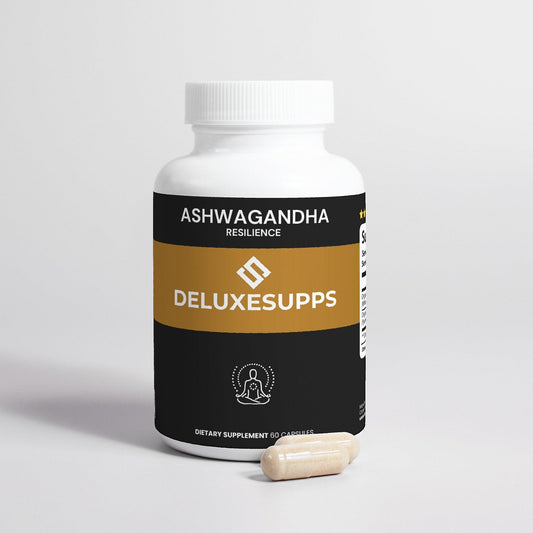
Quality matters significantly when choosing supplements. Prioritize products from reputable manufacturers with transparent testing and sourcing practices. Consider exploring our ashwagandha herbal supplement or mushroom complex as complementary relaxation support alongside magnesium.
Allow sufficient time for consistent supplementation before evaluating effectiveness. Most individuals notice meaningful improvements in sleep quality, daytime tension, and overall calmness within two to four weeks of regular use. Maintain realistic expectations and remember that individual responses vary based on baseline status and lifestyle factors.
Questions and Answers
How long does it take for magnesium supplements to work for relaxation?
Most individuals experience initial benefits within two to four weeks of consistent daily supplementation. Some people report improvements in sleep quality within the first week, while relaxation effects during waking hours may develop more gradually. Consistency matters more than high dosages, and continuing supplementation over several months allows your body to achieve optimal magnesium balance.
Can magnesium supplements interact with medications I am currently taking?
Magnesium can interact with certain medications, particularly bisphosphonates used for bone health, fluoroquinolone and tetracycline antibiotics, and some other pharmaceutical agents. The timing of magnesium supplementation relative to medication intake can minimize interactions. Always inform your healthcare provider about any supplements you plan to take, and allow sufficient time between taking magnesium and medications as recommended by your pharmacist.
Is magnesium supplementation safe for long-term daily use?
For most healthy adults, magnesium supplementation is safe for long-term daily use when taken at appropriate doses. The upper tolerable limit is generally considered four hundred milligrams daily from supplemental sources for adults. Maintaining consistent dosing helps your body achieve stable magnesium levels. However, individual health status, medications, and specific conditions may affect safety considerations, making consultation with healthcare providers advisable for long-term supplementation plans.
What is the difference between magnesium from food sources and supplements?
Food sources including leafy greens, nuts, seeds, and whole grains provide magnesium in forms that your body recognizes naturally. However, food alone often provides insufficient magnesium for individuals with high stress levels or specific relaxation needs. Supplements offer concentrated, standardized amounts of specific magnesium forms that optimize absorption and effectiveness for particular health goals. Combining dietary magnesium with targeted supplementation creates a comprehensive approach to meeting your body's magnesium requirements.
Are there natural alternatives to magnesium supplements for promoting relaxation?
Several natural approaches complement magnesium supplementation, including herbal remedies like chamomile, passionflower, and valerian root. Physical practices such as yoga, progressive muscle relaxation, and deep breathing techniques activate your parasympathetic nervous system. Consistent exercise, particularly in the morning or afternoon, promotes better sleep and reduces daytime anxiety. A combination of these approaches with appropriate supplementation typically yields superior relaxation outcomes compared to any single intervention.
How do I know if I have magnesium deficiency?
Magnesium deficiency symptoms include persistent muscle tension, sleep difficulties, anxiety, irritability, and fatigue despite adequate rest. Some individuals experience migraines, irregular heartbeat, or difficulty concentrating. However, standard blood tests often miss magnesium deficiency since most magnesium exists within cells rather than in bloodstream. If you experience multiple relaxation-related symptoms, a qualified healthcare provider can assess your status and recommend appropriate supplementation or evaluation.
Can I take magnesium with other supplements for enhanced relaxation?
Yes, magnesium combines well with many relaxation-supporting supplements. Ashwagandha, L-theanine, and passionflower extract all complement magnesium's calming effects. Creating a comprehensive wellness protocol with multiple supporting ingredients often produces superior results compared to single supplements. Explore our custom bundle creation page to design a personalized relaxation support system tailored to your specific needs and goals.
What should I look for in terms of magnesium supplement purity and quality?
Reputable magnesium supplements undergo third-party testing by independent laboratories such as NSF International, USP, or ConsumerLab. These certifications verify that the product contains the stated amount of magnesium and is free from contaminants. Transparent manufacturers provide batch testing results and clearly identify the magnesium form used. Checking for certifications, reviewing customer feedback, and selecting established brands significantly reduces the risk of purchasing inferior or contaminated products.
Is it better to take magnesium in the morning or evening?
For relaxation and sleep support, evening supplementation typically provides the greatest benefits. Taking magnesium one to two hours before bedtime allows time for absorption and promotes natural sleep onset. However, some individuals experience daytime relaxation benefits and prefer dividing their daily dose between morning and evening. Experiment with different timing to determine when supplementation produces your optimal relaxation response without interfering with energy levels or daily functioning.
How does magnesium support stress reduction beyond just promoting sleep?
Magnesium regulates the hypothalamic-pituitary-adrenal axis, the body's central stress response system. Adequate magnesium helps prevent excessive cortisol and adrenaline release during stressful situations, reducing the physiological intensity of stress responses. The mineral also supports neurotransmitter production, promoting serotonin and dopamine levels that enhance mood and emotional resilience. These combined effects create daytime relaxation benefits independent of sleep support, improving overall stress tolerance and emotional stability.
Are there specific times of year when magnesium supplementation becomes more important?
Winter months often create increased supplementation needs due to reduced sunlight exposure, changes in physical activity levels, and seasonal stress patterns. High-stress periods, including work-related deadlines or significant life transitions, increase magnesium depletion and may warrant higher supplementation. Additionally, individuals engaging in regular intensive exercise during summer months benefit from increased magnesium to support recovery and reduce exercise-induced stress. Adjusting supplementation based on seasonal and life factors optimizes relaxation support throughout the year.
Can magnesium supplements help with anxiety-related muscle tension?
Yes, magnesium effectively addresses both the nervous system and muscular components of anxiety-related tension. The mineral relaxes muscle fibers by regulating calcium influx and supporting muscle relaxation mechanisms. Combined with its nervous system calming effects, magnesium reduces both the psychological experience of anxiety and the physical tension manifestations. Many individuals notice decreased shoulder, neck, and jaw tension within the first two weeks of consistent magnesium supplementation.
What role does magnesium play in supporting the nervous system?
Magnesium acts as a natural calcium antagonist, preventing excessive neural stimulation and promoting a balanced nervous system response. It supports the production of neurotransmitters that encourage relaxation while moderating the release of stress hormones. The mineral also helps regulate inflammation within nervous tissue, supporting long-term neurological health. These mechanisms combine to create a naturally calm, resilient nervous system better equipped to manage daily stressors without becoming overwhelmed.
How much magnesium should I take if I have severe stress or sleep issues?
Severe stress or sleep disturbances may warrant higher magnesium doses, typically ranging from three hundred to four hundred milligrams daily. However, determining appropriate dosing for your specific situation requires professional evaluation. Your healthcare provider can assess your individual magnesium status and recommend optimal dosing based on your health history, concurrent medications, and specific concerns. Starting conservatively and adjusting gradually allows you to identify your therapeutic dose while minimizing potential side effects.
Is magnesium supplementation effective for racing thoughts and mental restlessness?
Magnesium threonate and magnesium glycinate show particular promise for mental restlessness and racing thoughts. These forms readily cross the blood-brain barrier, supporting cognitive relaxation and mental clarity. Magnesium calms excessive neural firing and promotes balanced brain activity patterns. Many individuals report significant improvements in their ability to quiet racing thoughts and achieve mental stillness within two to three weeks of consistent supplementation with these specific forms.
Can magnesium supplements replace other stress management techniques?
Magnesium supplements work most effectively as part of a comprehensive stress management approach rather than as a standalone solution. While supplementation provides valuable physiological support, techniques including meditation, regular exercise, adequate sleep, and social connection address different aspects of stress and wellness. The combination of magnesium supplementation with proven relaxation practices produces superior outcomes compared to supplementation alone. Consider magnesium as one element of a multifaceted wellness strategy rather than a complete replacement for other valuable stress management tools.
What are signs that magnesium supplementation is working effectively for me?
Effective magnesium supplementation typically produces noticeable improvements in sleep onset speed, sleep quality, daytime relaxation, and overall stress perception. You may experience decreased muscle tension, reduced anxiety levels, improved mood stability, and enhanced mental clarity. Physical signs include lower resting heart rate, reduced jaw clenching, fewer tension headaches, and greater overall comfort throughout the day. Keep a brief journal tracking sleep quality, tension levels, and mood to objectively assess whether your supplementation regimen is producing desired benefits.
Should I consult my doctor before starting magnesium supplements?
Yes, consulting your healthcare provider before starting any new supplementation represents best practice, particularly if you have existing health conditions or take medications. Your doctor can assess your individual magnesium status, review potential interactions with your current medications, and recommend appropriate forms and dosages. This consultation is especially important if you experience kidney issues, heart conditions, or take medications that interact with magnesium. Professional guidance ensures that supplementation safely complements your overall health management approach.
How do lifestyle factors affect the effectiveness of magnesium supplementation?
Magnesium effectiveness depends significantly on lifestyle context. Inadequate sleep, excessive caffeine consumption, and chronic stress deplete magnesium rapidly and reduce supplementation benefits. Regular physical activity, consistent sleep schedules, stress reduction practices, and a balanced diet all enhance magnesium absorption and effectiveness. Additionally, limiting alcohol and caffeine while maintaining good hydration supports optimal magnesium utilization. Creating supportive lifestyle conditions maximizes the relaxation benefits you receive from supplementation.
Are there magnesium supplements specifically formulated for relaxation that include complementary ingredients?
Yes, many high-quality supplements combine magnesium with supporting ingredients that enhance relaxation benefits. Look for formulations including chamomile, passionflower, L-theanine, or valerian root alongside magnesium. These combinations address relaxation through multiple mechanisms, creating synergistic effects. Our supplement collection includes carefully formulated products combining magnesium with complementary relaxation-supporting ingredients designed to maximize calm and wellness support.
What is the relationship between magnesium and melatonin for sleep support?
Magnesium supports melatonin production by regulating pineal gland function and providing necessary cofactors for melatonin synthesis. The mineral also extends melatonin's effectiveness by slowing its metabolic breakdown. This relationship means that magnesium supplementation indirectly supports natural sleep hormone production, creating improved sleep onset and quality. Some individuals combine magnesium with melatonin supplementation for enhanced sleep support, though this combination should be discussed with your healthcare provider to ensure appropriateness for your specific situation.
How does magnesium support the production of calming neurotransmitters?
Magnesium acts as a cofactor in the production of serotonin, dopamine, and gamma-aminobutyric acid, the primary neurotransmitters responsible for mood regulation and relaxation. Without adequate magnesium, your brain cannot produce these calming chemicals efficiently, even when other nutrients are sufficient. Supplementation ensures that your brain has the magnesium necessary to manufacture optimal levels of relaxation-promoting neurotransmitters. This biochemical support creates improved emotional balance and natural calmness that extends throughout your day.
Is magnesium supplementation appropriate for teenagers and young adults managing stress?
Magnesium supplementation can be appropriate for younger individuals managing stress, though recommended dosages differ from adult recommendations. Teenagers and young adults have different magnesium requirements based on age and development stage. Parental guidance and consultation with a pediatrician or healthcare provider is essential before giving magnesium supplements to individuals under eighteen years old. Professional evaluation ensures appropriate dosing and confirms that supplementation suits their individual health status and needs.
How do I store magnesium supplements to maintain their potency?
Store magnesium supplements in a cool, dry location away from direct sunlight and moisture. Most supplements maintain maximum potency when stored at room temperature between sixty and seventy-five degrees Fahrenheit. Avoid storing supplements in bathrooms where humidity levels fluctuate, as moisture can degrade the product. Keep supplements in their original containers with caps tightly sealed. Proper storage extends shelf life and ensures that you receive the full potency and relaxation benefits your supplement provides throughout its entire useful life.
Can magnesium supplementation help with cortisol management?
Yes, magnesium directly supports healthy cortisol management by regulating the hypothalamic-pituitary-adrenal axis and moderating stress hormone release. The mineral helps prevent excessive cortisol spikes in response to stress, maintaining more stable hormone levels throughout the day. Chronically elevated cortisol contributes to anxiety, sleep disturbances, and persistent tension. By supporting balanced cortisol production and metabolism, magnesium supplementation helps restore healthy stress hormone patterns and reduces the physiological stress load on your body.
What differentiates prescription magnesium treatments from over-the-counter supplements?
Prescription magnesium formulations, such as magnesium sulfate or magnesium citrate, are typically prescribed for specific medical conditions or severe deficiency requiring higher doses than available in standard supplements. Over-the-counter supplements offer convenient daily relaxation support for generally healthy individuals with mild to moderate deficiency or increased needs. The over-the-counter options provide flexibility in form selection and dosing adjustment. Consult your healthcare provider to determine whether prescription-strength magnesium or over-the-counter supplements best address your specific relaxation and health needs.
How does magnesium support physical relaxation beyond just nervous system effects?
Magnesium directly relaxes muscle tissue by regulating calcium influx and supporting muscle fiber relaxation mechanisms. Without adequate magnesium, muscles remain in a partially contracted state, creating persistent tension and discomfort. Supplementation allows muscles to fully relax between contractions, reducing overall muscle tension throughout your body. This physical relaxation benefit occurs independently of nervous system effects, meaning you experience both muscular and neurological relaxation, creating comprehensive body-wide comfort and ease.
Are there specific magnesium supplements designed for athletes managing exercise-related stress?
Yes, athletes often benefit from magnesium supplementation to support recovery from intense exercise and manage exercise-induced stress responses. Magnesium malate combines the mineral with malic acid to support energy production and muscle recovery. Athletes typically use higher magnesium doses to compensate for increased depletion through sweat and increased metabolic demands. Timing supplementation after workouts maximizes recovery benefits. Consult with a sports nutrition professional or healthcare provider to determine appropriate magnesium forms and dosages for your specific athletic training regimen.
What is the relationship between magnesium deficiency and anxiety disorders?
Research indicates strong associations between magnesium deficiency and increased anxiety symptoms and anxiety disorder prevalence. Magnesium's role in regulating neurotransmitters and stress hormone production directly influences anxiety levels. Individuals with diagnosed anxiety disorders often show improved symptoms with appropriate magnesium supplementation. However, while magnesium supplementation can significantly support anxiety management, it should complement rather than replace professional mental health treatment. Work with qualified healthcare providers to integrate magnesium supplementation into a comprehensive anxiety management strategy.
How can I determine the right magnesium form for my specific relaxation needs?
Different magnesium forms address distinct relaxation concerns. Magnesium glycinate suits individuals seeking gentle digestive effects and overall relaxation. Magnesium threonate targets mental restlessness and racing thoughts. Magnesium malate supports energy while promoting relaxation. Magnesium citrate offers good absorption with mild laxative effects. Start by identifying your primary relaxation concern, whether sleep, muscle tension, mental restlessness, or overall stress. Then select a magnesium form specifically suited to that need. You can experiment with different forms to discover which produces your optimal relaxation response.
Can magnesium supplements help manage tension headaches related to stress?
Magnesium shows significant promise for managing stress-related tension headaches through multiple mechanisms. The mineral reduces muscle tension in the neck and shoulders, common headache trigger points. Magnesium also regulates blood vessel dilation and constriction, preventing the vascular component of tension headaches. Additionally, magnesium supports the production of serotonin and other neurotransmitters involved in pain modulation. Many individuals report significant reductions in tension headache frequency and intensity within two to four weeks of consistent magnesium supplementation.
How does magnesium supplementation support recovery from high-stress periods?
During high-stress periods, your body depletes magnesium rapidly to fuel stress hormone production and manage the physiological stress response. Supplementation during and after stressful situations helps replenish depleted magnesium stores and supports your body's recovery process. Magnesium reduces lingering cortisol elevation and helps restore nervous system balance after acute stress passes. Maintaining consistent supplementation through challenging periods supports faster recovery and reduces the accumulation of chronic stress effects. Treating magnesium supplementation as part of your stress management toolkit optimizes recovery from difficult life periods.
Are there magnesium supplements formulated for specific age groups or life stages?
Yes, some manufacturers create magnesium formulations specifically designed for different life stages. Products for older adults may include additional calcium or vitamin D for bone health. Formulations for women may address hormonal relaxation support. Athletic formulations combine magnesium with recovery-supporting ingredients. While basic magnesium supplementation suits most adults, exploring specialized formulations can enhance effectiveness for your specific life stage or circumstances. Our diverse supplement collection includes options suitable for different populations and specific relaxation needs.
How do I transition from prescription sleep aids to magnesium supplementation safely?
If you currently take prescription sleep aids, never discontinue them without medical guidance, even when starting magnesium supplementation. Abrupt discontinuation can cause rebound insomnia and other adverse effects. Instead, work with your healthcare provider to develop a gradual transition plan. Your doctor can monitor your sleep quality as you introduce magnesium supplementation while slowly reducing prescription medication. This supervised approach allows your body to adapt gradually and ensures that magnesium supplementation adequately supports your sleep needs before discontinuing pharmaceutical treatments.
What is the cost-effectiveness of magnesium supplementation compared to other relaxation interventions?
Magnesium supplementation offers excellent cost-effectiveness for relaxation support, typically costing less than ten to twenty dollars monthly
The content in this blog post is intended for general information purposes only. It should not be considered as professional, medical, or legal advice. For specific guidance related to your situation, please consult a qualified professional. The store does not assume responsibility for any decisions made based on this information.