





Updated on: 2025-11-28
Table of contents for the bioavailable nutrients guide
- Bioavailable nutrients explained and why they matter
- Product spotlight: forms that support bioavailable nutrients
- Step-by-step how-to: how to maximize bioavailable nutrients in meals
- Personal experience: applying bioavailable nutrients principles
- Summary and recommendations for bioavailable nutrients
- Q&A: What are bioavailable nutrients and how to improve bioavailability?
- About the author
Bioavailable nutrients explained and why they matter
Bioavailable nutrients are the fraction of nutrients that the body can absorb and use. In other words, bioavailability describes the step from nutrient intake to nutrient absorption and utilization. This concept applies to both foods and supplements, and it is closely tied to how foods are prepared, what ingredients are combined, and the overall context of a meal. When planning meals with bioavailable nutrients in mind, you can consider the forms of micronutrients, the presence of natural compounds that help or hinder nutrient absorption, and the role of timing.
Two phrases often used in this context are bioavailable micronutrients and absorbable nutrients. Both speak to the same goal: giving attention to nutrient bioavailability so the nutrients you consume are more likely to be absorbed. This guide outlines how to maximize bioavailable nutrients in meals with practical, low-effort strategies that fit into a normal cooking routine.
Defining nutrient bioavailability and nutrient absorption
Nutrient bioavailability is the proportion of a nutrient that is digested, absorbed, and made available for use. Nutrient absorption is one part of this pathway and is influenced by the chemical form of the nutrient, the presence of other compounds in the meal, and the method of preparation. For example, certain minerals may be more absorbable when paired with specific foods, while some plant compounds can reduce absorption if present in high amounts. Understanding these interactions allows you to build meals that support absorbable nutrients without changing what you like to eat.
Key factors that influence absorbable nutrients
Several factors play a role in how absorbable nutrients are within a given meal. The chemical form of a nutrient can make a difference, such as chelated minerals compared with certain inorganic forms. The food matrix also matters; fats can help the body handle fat-soluble vitamins, while organic acids can support certain mineral absorption from plants. Heat, time, and pH from cooking techniques can reduce compounds that bind minerals. Spacing of beverages like tea or coffee from meals that contain iron or zinc may help reduce interference from tannins for some individuals. Small, deliberate adjustments in these areas can support overall nutrient bioavailability.
Product spotlight: forms that support bioavailable nutrients
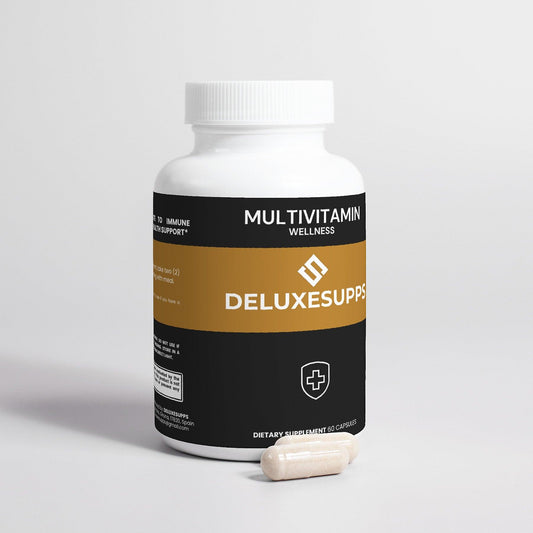
A multivitamin designed with bioavailable micronutrients can complement a diet focused on whole foods. When evaluating a formula, consider the following features that align with absorbable nutrients and nutrient bioavailability:
- Transparent forms: Labels that specify forms such as methylated B vitamins or chelated minerals indicate attention to absorption characteristics.
- Balanced amounts: Moderate, well-rounded amounts aim to complement meals rather than replace them.
- Clarity on non-active ingredients: Simple excipients and clear labeling support informed decisions.
- Quality practices: Consistent quality controls and accessible product information help you understand what you are choosing.
Explore a formula that emphasizes clarity and practicality here: Complete Multivitamin. If you prefer to compare options or adjust your routine, browse the full selection: All products. For a streamlined approach to pairing items, you may also visit: Create your bundle. For additional educational articles on ingredients and formats, see the editorial archive: Suppspedia.
Step-by-step how-to: how to maximize bioavailable nutrients in meals
Below is a practical workflow to help you plan and plate meals that support bioavailable nutrients. Each step is simple and focused on everyday cooking.
- Start with a whole-food base. Build meals around diverse proteins, legumes, vegetables, fruits, whole grains, nuts, and seeds. Diversity naturally covers a broader set of micronutrients.
- Pair iron sources with vitamin C. Combine plant sources of iron with foods rich in vitamin C in the same dish or course. This pairing can support nutrient absorption from plant iron.
- Introduce healthy fats for fat-soluble vitamins. Include a modest amount of oils, nuts, seeds, or avocado with dishes that contain fat-soluble vitamins. The presence of fat supports handling of these nutrients.
- Use preparation techniques that reduce inhibitors. Soaking, sprouting, or fermenting grains and legumes can lower compounds such as phytates. Cooking methods like simmering or pressure cooking also help reduce certain inhibitors.
- Mind beverage timing around key minerals. If a meal is designed for iron or zinc, consider spacing tea and coffee, which contain tannins, away from that meal for some individuals.
- Leverage acidity and heat when useful. Gentle acidity from lemon or vinegar and appropriate heat can change the food matrix in ways that support nutrient bioavailability for some dishes.
- Keep portions manageable. Practical portion sizes allow for variety across the day, spreading nutrient opportunities across multiple meals rather than relying on one plate.
- Review labels for absorbable forms. When you choose fortified foods or supplements, look for forms associated with absorbable nutrients, such as chelated minerals or methylated vitamins, as indicated on the label.
- Plan a rotation. Rotate protein sources, grains, and vegetables across the week. Rotation increases the chance that different nutrients appear in more bioavailable combinations.
- Adjust gently, assess, and iterate. Make small changes and keep what is easy and sustainable. Consistency supports the broader goal of nutrient bioavailability.
Preparation basics that can support nutrient absorption
- Rinse and soak legumes or whole grains before cooking when feasible.
- Use a mix of raw and cooked produce through the week to vary texture and nutrient availability.
- Combine acidic elements like citrus with vegetable and legume dishes.
- Add a source of fat to salads and vegetable sides.
- Alternate cooking methods (steaming, roasting, sautéing) to diversify the meal pattern.
Personal experience: applying bioavailable nutrients principles
I set up a simple routine to keep bioavailable nutrients in mind without tracking numbers. One evening per week, I combine a legume-based dish with citrus and herbs. Another evening features a leafy salad with a small amount of olive oil and seeds. I also rotate different grains and proteins across the week. This rotation has made grocery planning straightforward and keeps meal variety high. It is a practical approach that focuses on absorbable nutrients through small, predictable habits.
Summary and recommendations for bioavailable nutrients
Bioavailable nutrients refer to nutrients that are present in forms the body can absorb and use. Small adjustments to meal composition, preparation, and timing can support nutrient bioavailability. Pair plant iron with vitamin C, include a source of fat with fat-soluble vitamins, and use soaking or sprouting for legumes and grains where it fits. Review labels for forms associated with absorbable nutrients when choosing fortified foods or supplements. Keep the process simple and repeatable, using food variety and consistent meal patterns to support bioavailable micronutrients over time.
Q&A: What are bioavailable nutrients and how to improve bioavailability?
What are bioavailable nutrients and why do they matter?
Bioavailable nutrients are the portion of nutrients that move from your plate into your system for use. They matter because the amount present in food or a supplement is not the same as the amount absorbed. Considering nutrient bioavailability helps you combine foods and choose formats that support absorbable nutrients without changing your entire diet.
How can I improve the bioavailability of nutrients in my diet?
Focus on straightforward meal tactics. Pair vitamin C sources with plant iron, include a small amount of fat with foods that contain fat-soluble vitamins, and use preparation methods like soaking or sprouting for legumes and grains when practical. Space tea or coffee away from meals planned around iron or zinc. Rotate foods to cover different micronutrients across the week. These steps align with how to maximize bioavailable nutrients in meals in a simple, sustainable way.
What are the best foods for high bioavailable nutrients?
There is no single best list for everyone, but practical categories include a mix of animal proteins, legumes, leafy and colorful vegetables, fruits, whole grains, nuts, and seeds. Many people also include fermented foods or acidic ingredients to support meals built around plant-based minerals. The best foods for high bioavailable nutrients are those you enjoy and can prepare consistently, combined in ways that support nutrient absorption.
About the author
Deluxesupps Deluxesupps is a content strategist focused on ingredient education, product formats, and practical nutrition communication. With experience translating complex topics into clear guides, Deluxesupps Deluxesupps helps readers navigate nutrient bioavailability and absorbable nutrients with confidence. Thank you for reading and for prioritizing clarity in your routine.
The content in this blog post is intended for general information purposes only. It should not be considered as professional, medical, or legal advice. For specific guidance related to your situation, please consult a qualified professional. The store does not assume responsibility for any decisions made based on this information.