







Updated on: February 2, 2026
Mental wellbeing extends far beyond the pursuit of happiness alone. True psychological wellness encompasses emotional resilience, purposeful living, stress management, and sustainable life practices. This comprehensive guide explores how to advance mental health through evidence-based strategies, lifestyle modifications, and holistic approaches that foster lasting psychological balance and personal growth.
Table of Contents
- Myths versus Facts About Mental Wellbeing
- Step-by-Step Guide to Advancing Mental Wellness
- Frequently Asked Questions
- Questions and Answers Section
- Summary and Key Takeaways
- About the Author
Introduction
Society often equates mental health with constant happiness, yet this narrow perspective overlooks the complexity of psychological wellness. Promoting mental health beyond happiness means acknowledging that emotional difficulty, challenge, and growth are natural components of human experience. Mental wellbeing encompasses resilience during adversity, meaningful relationships, purposeful work, and the capacity to navigate life with intention and authenticity. This article explores comprehensive strategies for cultivating sustainable psychological health that extends beyond fleeting positive emotions.

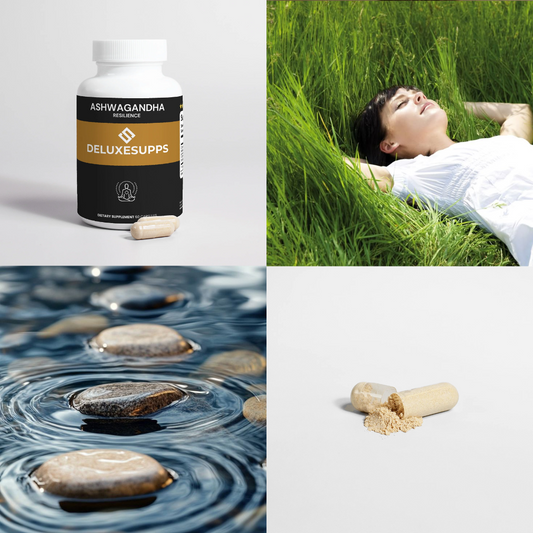
Person meditating in nature, surrounded by calm water and green landscapes.
Myths versus Facts About Mental Wellbeing
Myth One: Mental Health Means Being Happy All the Time
Fact: Psychological wellness includes the full spectrum of human emotions. Sadness, frustration, and anxiety are natural responses to life circumstances. Mental health involves processing these emotions constructively rather than suppressing them or expecting constant positivity.
Myth Two: Mental Health Issues Reflect Personal Weakness
Fact: Mental health challenges are medical conditions influenced by genetics, brain chemistry, environment, and life experiences. Seeking professional support demonstrates strength and self-awareness, not weakness.
Myth Three: Medication Is the Only Effective Treatment
Fact: While medication helps many individuals, effective treatment often combines multiple approaches including therapy, lifestyle changes, social support, and complementary practices. A holistic approach addressing physical health, sleep, nutrition, and stress management supplements can significantly support mental wellbeing.
Myth Four: Mental Health Problems Cannot Be Overcome
Fact: Many individuals successfully manage and overcome mental health challenges through appropriate treatment, support systems, and personal effort. Recovery is possible, though it requires patience and commitment.
Step-by-Step Guide to Advancing Mental Wellness
Step One: Establish Consistent Sleep Routines
Quality sleep forms the foundation of mental health. Aim for seven to nine hours nightly by maintaining consistent sleep and wake times. Create a sleep-conducive environment by reducing light, minimizing noise, and avoiding screens thirty minutes before bedtime. Poor sleep intensifies emotional reactivity and impairs decision-making capacity.
Step Two: Implement Regular Physical Activity
Exercise reduces anxiety and depression while enhancing mood through endorphin release. Engage in at least one hundred fifty minutes of moderate-intensity activity weekly. This may include brisk walking, swimming, cycling, or strength training. Physical activity also improves sleep quality and provides healthy stress outlets.
Step Three: Develop a Structured Nutrition Plan
Dietary choices directly affect brain chemistry and mood stability. Prioritize whole foods including vegetables, fruits, lean proteins, and healthy fats. Reduce refined sugars and processed foods that create energy fluctuations. Consider incorporating comprehensive nutritional support through quality supplements to address potential deficiencies affecting mental clarity.

Balanced meal plate with colorful vegetables, protein, and whole grains.
Step Four: Cultivate Meaningful Relationships
Social connection is fundamental to psychological wellness. Invest time in relationships that provide genuine support and understanding. Limit interactions with individuals who drain your emotional energy. Join communities aligned with your values and interests to build authentic connections.
Step Five: Practice Mindfulness and Meditation
These practices enhance emotional awareness and reduce rumination. Begin with five to ten minutes daily of focused breathing or body scanning. Mindfulness develops the capacity to observe thoughts without judgment, reducing anxiety and promoting emotional regulation.
Step Six: Set Meaningful Goals and Purpose
Purpose provides direction and motivation beyond temporary happiness. Identify values that matter to you and establish goals aligned with these principles. Break larger objectives into manageable steps, celebrating progress along the way. Purpose creates resilience during difficult periods.
Step Seven: Seek Professional Support When Needed
Therapy provides tools for managing challenges and understanding patterns. Mental health professionals can diagnose conditions, recommend evidence-based treatments, and support personal growth. Seeking help early prevents difficulties from escalating.
Frequently Asked Questions
What Is the Difference Between Mental Health and Happiness?
Mental health encompasses emotional stability, resilience, meaningful relationships, and purposeful living. Happiness is one emotion within the broader spectrum of psychological wellness. Someone with excellent mental health can experience sadness when circumstances warrant it, while maintaining overall resilience and life satisfaction. Understanding mindset and psychological approaches helps clarify these distinctions.
How Can I Improve Mental Health During Stressful Periods?
During stress, prioritize sleep, exercise, and social support. Practice grounding techniques like deep breathing or sensory awareness. Reduce non-essential obligations when possible. Consider stress-management supplements and maintain consistent routines. If stress becomes overwhelming, professional counseling provides valuable support and coping strategies.
Can Lifestyle Changes Alone Treat Mental Health Conditions?
Lifestyle modifications significantly impact mental wellbeing and often complement professional treatment. However, certain conditions require medical intervention. A comprehensive approach combining therapy, medication if appropriate, and lifestyle changes provides optimal outcomes. Consult mental health professionals to determine the most effective treatment plan for your situation.
Questions and Answers Section
How Does Physical Health Influence Mental Wellbeing?
Physical and mental health are interconnected. Regular exercise improves mood, sleep quality enhances emotional regulation, and proper nutrition supports brain function. Conversely, mental stress affects physical health through immune function and inflammation. Addressing both dimensions simultaneously creates sustainable wellness. Quality wellness products support this integrated approach.
What Role Does Purpose Play in Long-Term Mental Health?
Purpose provides meaning and direction that sustains psychological wellbeing during challenges. Research demonstrates that individuals with clear purpose experience lower rates of depression and anxiety while developing greater resilience. Purpose motivates healthy behaviors, strengthens relationships, and creates life satisfaction beyond temporary emotional states. Identifying and pursuing meaningful goals is essential for lasting mental wellness.
How Can I Support Someone Struggling With Mental Health?
Listen without judgment and validate their experiences. Encourage professional support without pressuring them. Maintain consistent presence and avoid minimizing their challenges. Learn about their specific condition to provide informed understanding. Respect boundaries while offering practical assistance. Your supportive presence can significantly impact their healing journey, though you cannot fix their issues for them.
Summary and Key Takeaways
Promoting mental health beyond happiness requires a multifaceted approach addressing sleep, physical activity, nutrition, relationships, and purpose. Mental wellness includes processing the full range of human emotions while maintaining resilience and life satisfaction. Practical strategies include establishing consistent routines, seeking professional support when needed, and building meaningful connections. Understanding that mental health extends beyond temporary emotional states creates sustainable psychological wellness. Implementing these evidence-based approaches fosters lasting resilience, emotional regulation, and purposeful living. Begin with one strategy that resonates with you, then gradually incorporate additional practices. Your mental health journey is deeply personal, and consistent, compassionate effort creates meaningful transformation.
Recommended Action
Start today by selecting one strategy from this guide that aligns with your current needs. Whether establishing better sleep habits, beginning a meditation practice, or scheduling professional support, taking action creates momentum toward enhanced mental wellbeing. Explore supportive wellness resources to complement your mental health practices. Remember that psychological wellness is an ongoing journey requiring patience and self-compassion.
About the Author
Deluxesupps Deluxesupps
Deluxesupps Deluxesupps is a wellness specialist and content strategist dedicated to providing evidence-based information on mental health, nutrition, and holistic wellbeing. With expertise in connecting psychological wellness with lifestyle practices, Deluxesupps creates accessible content that empowers individuals to prioritize their mental health authentically. Passionate about destigmatizing mental health discussions and promoting comprehensive wellness approaches, Deluxesupps believes that true psychological health encompasses far more than happiness alone. Connect with Deluxesupps for more insights on building sustainable, meaningful wellness practices.
The content in this blog post is intended for general information purposes only. It should not be considered as professional, medical, or legal advice. For specific guidance related to your situation, please consult a qualified professional. The store does not assume responsibility for any decisions made based on this information.