









Updated on: 2026-01-07
This guide explains how nutritional support for wellness fits into a simple, sustainable routine. You will learn the core principles behind balanced eating, smart supplementation, and lifestyle alignment. The article outlines practical benefits, clear reasons to consider evidence-informed nutrients, and answers to common questions. It closes with measured recommendations and resources to help you build a plan you can maintain.
Table of Contents
- Introduction Paragraph
- Benefits & Reasons
- Nutritional Support for Wellness: Core Principles
- FAQ
- Final Thoughts & Recommendations
- About the Author
Introduction Paragraph
Wellbeing rests on consistent habits. Sound nutrition, adequate movement, restorative sleep, and stress management form a dependable foundation. Within that framework, targeted nutrients can close common gaps and help maintain everyday performance. The goal is not perfection. The goal is clarity and steady progress. This article outlines a practical approach that favors balance over extremes. It simplifies choices, highlights evidence-informed practices, and encourages personal experimentation. The guidance here respects individuality, because needs differ by age, activity level, and preferences. Use it to refine your routine, assess your options, and make changes that are realistic for your schedule.
Benefits & Reasons
A coherent nutrition plan provides structure. It reduces decision fatigue and helps you keep promises to yourself. When food quality is consistent and portion sizes are appropriate, you set the stage for steady energy and better focus throughout the day. Adding supportive nutrients can make a routine more robust, especially during busy periods or when appetite and intake fluctuate.
Consider the following benefits, organized by practical outcomes rather than hype.
Micronutrients That Matter
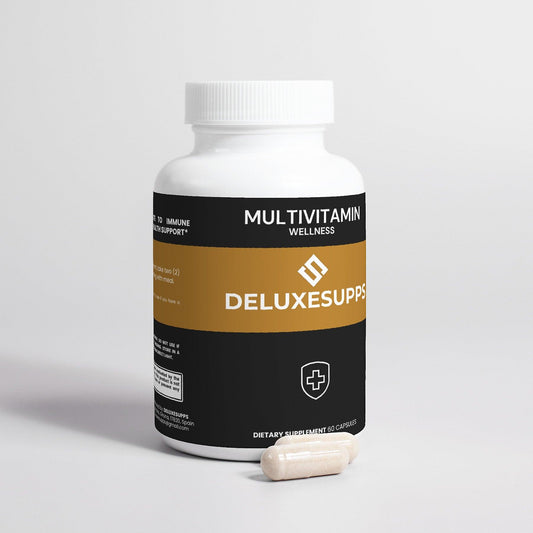
Vitamins and minerals support many physiological processes. Consistent intake helps maintain normal immune function, energy metabolism, and cognitive tasks. A well-formulated multivitamin can simplify coverage of routine gaps in a typical diet. For an everyday baseline, review the formulation and serving size of a product like the Complete Multivitamin and compare it against your needs and intake patterns.
Protein and Essential Fats
Adequate protein helps maintain muscle and supports satiety. This makes it easier to manage portions and reduce snacking between meals. Essential fatty acids support cell structure and general wellbeing. Together, balanced protein and healthy fats promote stable energy during work, training, and recovery days.
Digestion and Gut Balance
Fiber, diverse plant foods, and fermented options support digestive comfort. A calm and predictable gut makes it easier to train, to sleep, and to stay focused. Some individuals explore functional mushrooms to complement a plant-forward pattern. If you are curious about this category, review the balanced blends and label standards of a product such as the Mushroom Complex to understand ingredients and serving guidance.
Timing and Hydration
Regular meal timing assists appetite control and stable energy. Hydration supports physical and cognitive tasks. Adding electrolytes during heat or heavy training can preserve fluid balance. Simple routines, such as a glass of water with breakfast and a bottle at your desk, remove friction from busy days.
Quality and Safety
Reliable sourcing and transparent labels matter. Choose products from brands that document ingredients, serving sizes, and responsible manufacturing practices. Favor moderate dosages that fit within established intake ranges. Conservative, steady inputs are safer and usually more sustainable than aggressive stacks.
Nutritional Support for Wellness: Core Principles
Translating ideas into action requires a simple playbook. The principles below make nutrition more predictable, yet flexible enough for real life.
Balanced Patterns
- Build plates around protein, colorful produce, whole grains, and healthy fats.
- Use portion guides, like a palm of protein and a fist of vegetables per meal, to keep it simple.
- Plan easy defaults for travel days, such as mixed nuts, fruit, and a protein option.
Balanced patterns reduce extremes. They make weekends and busy weeks feel similar, which supports consistency over time.
Smart Supplementation
- Cover the basics first. A daily multivitamin can support routine adequacy when diet variety is limited. See the Complete Multivitamin for an example baseline.
- Target specific goals. Some individuals explore cellular energy support. To review that category, examine formulations such as an NAD+ supplement and consider how it aligns with your routine.
- Adjust with feedback. Track sleep, energy, training quality, and digestion. Keep what helps. Remove what does not.
Keep doses within suggested ranges and avoid stacking products that duplicate the same ingredients. When in doubt, simplify.
Lifestyle Alignment
- Sleep is a multiplier. Aim for regular bed and wake times. Support sleep with an evening wind-down and a dark, cool room.
- Training should be repeatable. Moderate intensity and consistent frequency often outperform sporadic efforts.
- Stress management keeps appetite and energy on track. Short walks, breath work, and brief breaks during the day help you reset.
Nutrition, movement, sleep, and stress form a system. Small improvements in one area tend to support the others. When used thoughtfully, nutritional support for wellness can reinforce these daily habits without complicating your schedule.
FAQ
How do I choose supplements that fit my goals?
Start with your current routine. Confirm that you eat protein at each meal, include fruits and vegetables daily, and drink enough water. Then identify a single gap. Choose one product that addresses it, such as a basic multivitamin for routine coverage or a focused blend for a clear objective. Review the label, serving size, and any cautions. Track your response for at least two to four weeks before adding anything else. For flexible options, consider a curated approach like the Create your bundle tool to compare and organize choices.
Can a well-planned diet be enough?
Yes. Many individuals maintain strong wellbeing with a balanced diet, good sleep, and regular activity. However, modern routines, travel, seasonal changes, and preferences can introduce gaps. In such cases, a modest supplement can provide convenient coverage. The key is to view products as complements to, not replacements for, nutrient-dense meals. If your diet is already varied and sufficient, keep it simple and reassess only when your life or training load changes.
How do I avoid over-supplementation?
Simplify the stack. Limit the number of products and avoid redundant ingredients. Read labels carefully, especially when combining multivitamins, single-ingredient products, and functional blends. Use conservative dosages and respect suggested serving sizes. Cycle a periodic review every quarter. Remove items that do not provide clear, observable value. When evaluating new categories, begin with one addition at a time. For instance, if exploring functional mushrooms, review the Mushroom Complex label, start at the lowest directed serving, and monitor how you feel.
Final Thoughts & Recommendations
Strong wellbeing is the result of consistent, moderate habits. Build a steady eating pattern, prioritize sleep, move daily, and manage stress. Then consider supportive nutrients to reinforce your foundation. Begin with the basics, verify quality, and measure your response over time. Keep your plan lean and focused. If you are ready to organize a simple, tailored routine, explore the Create your bundle option to compare essentials and assemble a plan that fits your schedule.
This content is educational and is not a substitute for individualized guidance. If you have specific questions about your situation, seek advice from a qualified professional who knows your health history and goals.
About the Author
Deluxesupps Deluxesupps is a content strategist focused on practical nutrition and supplement education. The team specializes in clear guidance that helps readers evaluate products, interpret labels, and build sustainable routines. Thank you for reading, and we wish you steady progress on your wellbeing journey.
The content in this blog post is intended for general information purposes only. It should not be considered as professional, medical, or legal advice. For specific guidance related to your situation, please consult a qualified professional. The store does not assume responsibility for any decisions made based on this information.