







Updated on: 2025-12-15
This guide explains how to evaluate omega fatty acids supplements, compare sources, and use them safely and effectively. You will learn how to read labels, understand forms and sourcing, and set a simple routine that fits your goals. It also clarifies common myths, outlines quality checks, and offers practical storage and pairing tips. The information is educational and not a substitute for professional advice; always follow product directions and consult a qualified practitioner with specific questions.
Table of Contents
- 1. Introduction
- 2. Myths vs. Facts
- 3. Step-by-Step Guide to omega fatty acids supplements
- 4. Frequently Asked Questions
- 5. Summary & Key Takeaways
- 6. Q&A Section
- 7. About the Author
Essential fats are a core component of human nutrition. They provide building blocks for cell membranes and support normal biological processes. Many people, however, find it difficult to choose a reliable product amid a crowded market. The guidance below presents a clear approach to source selection, label literacy, and practical use. It favors clarity and measurable standards so you can make an informed, confident choice without guesswork.
Myths vs. Facts
-
Myth: All marine oils are the same. Fact: Source, processing, and form vary. Fish, krill, and algal options differ in fatty acid profile, potency per capsule, and sustainability practices. Processing steps can affect stability, taste, and oxidation risk.
-
Myth: More capsules always deliver better results. Fact: Quality, not just quantity, matters. Concentration, purity testing, and absorption influence practical outcomes more than the total number of pills.
-
Myth: Plant oils can fully replace marine-derived EPA and DHA for everyone. Fact: The body converts ALA from seeds and nuts to longer-chain fats at limited rates. Some individuals may prefer a direct source of EPA and DHA, such as algal oil, especially when avoiding fish.
-
Myth: A “natural” label guarantees purity. Fact: Trustworthy brands verify quality with third-party testing for heavy metals, oxidation, and contaminants. Look for lot-level transparency and clear contact channels for certificates.
-
Myth: If it does not have a strong fishy taste, it is weak. Fact: A clean, neutral taste often reflects proper purification and low oxidation. Reputable encapsulation and antioxidants help protect delicate fats.
Step-by-Step Guide to omega fatty acids supplements
-
1. Define your objective. Clarify why you are adding essential fats. Typical reasons include general wellness support, dietary gaps, or a preference for vegetarian sources. Your goal guides your source choice and serving plan.
-
2. Choose an appropriate source. Fish oil and krill oil supply long-chain fats directly. Algal oil offers a vegetarian route to EPA and DHA. If you prefer seed-based options, note that ALA is a shorter-chain fat and converts at a modest rate.
-
3. Understand the form. Triglyceride and re-esterified triglyceride forms are common. Ethyl ester forms also appear in the market. Shellfish-based products include phospholipids that may influence how they disperse. No single form is universally “best”; focus on consistency and verified quality.
-
4. Examine concentration per serving. Compare the amount of EPA and DHA listed per capsule or teaspoon, not only the total oil weight. This allows consistent tracking and easier adjustments within label directions.
-
5. Review purity and oxidation data. Seek independent testing for heavy metals, dioxins, and peroxidation values. Responsible brands disclose test methods, acceptance limits, and freshness measures such as peroxide and anisidine indices.
-
6. Confirm sustainability practices. Favor brands that use responsibly managed fisheries or controlled algal cultivation. Transparent sourcing reduces environmental impact and supports ongoing supply quality.
-
7. Check supportive ingredients. Natural antioxidants such as mixed tocopherols help resist oxidation. A neutral capsule material and clean excipient list support stability and digestibility.
-
8. Plan timing with meals. Taking fats with food can improve comfort and consistency. Many users align servings with their largest meal to simplify routine and reduce aftertaste.
-
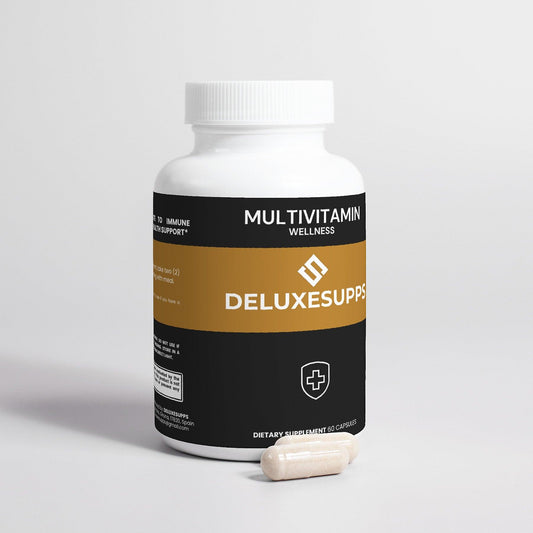
9. Pair with foundational nutrition. A balanced routine supports better adherence. For a simple base, consider a comprehensive daily formula such as the Complete Multivitamin, then layer in your chosen fatty acid product as directed.
-
10. Start low and track. Begin at the label’s suggested serving. Keep a brief journal noting timing, meals, and any sensory feedback. Adjust only within product guidance or professional advice.
-
11. Store correctly. Protect from heat, light, and moisture. Close lids tightly and keep products in a cool, dry place. Some liquids benefit from refrigeration after opening; follow the label.
-
12. Reassess every few months. Review how the product fits your routine, taste preferences, and budget. If you need help comparing options, explore curated choices or build a custom set with Create Your Bundle.
Frequently Asked Questions
What is the difference between fish oil and algal oil?
Both provide long-chain fats, but their sources differ. Fish oil comes from marine fish, while algal oil derives from cultivated algae. Algal options suit individuals who avoid fish and can offer consistent composition and controlled sourcing.
When should I take a fatty acid supplement?
Most people take it with a meal to support comfort and routine. Choose a consistent time of day, such as your largest meal. Follow the specific directions on the label.
Are plant sources enough on their own?
Plant oils provide ALA, which the body converts to longer-chain fats at limited rates. Many individuals still prefer a direct source of EPA and DHA from fish or algae to simplify serving targets, especially when dietary intake is variable.
Summary & Key Takeaways
Essential fats are an important part of a balanced nutrition plan. Choosing confidently requires attention to source, form, concentration, and verified purity. A simple routine built around meals supports consistency and comfort.
- Focus on EPA and DHA amounts per serving rather than total oil weight.
- Verify third-party testing for contaminants and freshness metrics.
- Match the source to your preferences: fish, krill, or algae.
- Store away from heat and light; follow label directions for liquids.
- Build a sustainable routine with a solid base and simple tracking.
Ready to plan your routine? Explore options in Shop all supplements or customize with Create Your Bundle. For assistance, reach out via Contact us. This content is educational and does not replace professional guidance.
Q&A Section
Which purity markers matter most?
Look for confirmation of heavy metal testing and low oxidation values. Transparent brands disclose acceptance limits and methods. Freshness indicators, such as controlled peroxide and anisidine levels, suggest careful processing and storage.
Do higher milligrams always mean better quality?
Not necessarily. Quality depends on concentration, sourcing, oxidation control, and third-party verification. Choose an appropriate serving within label guidance and prioritize reliably documented purity.
How should I store fatty acids at home and during travel?
Keep products cool, dry, and protected from light. Close containers promptly. When traveling, place capsules in a sealed container away from heat; for liquids, use a well-sealed bottle and follow any refrigeration guidance on the label.
Can I pair essential fats with a daily multivitamin?
Yes, many individuals take both as part of a simple routine. Consider a balanced base such as the Complete Multivitamin and schedule servings with meals for consistency.
Where can I get ordering help or shipping details?
For product comparisons and support, visit Contact us. For delivery information, consult the store’s guidelines in the Contact us section or the main help resources.
About the Author
Deluxesupps Deluxesupps is a content specialist focused on nutritional quality, label literacy, and practical supplementation strategy. The aim is to make complex topics easy to act on while keeping claims measured and responsible. Thank you for reading, and best wishes on building a simple, sustainable routine.
The content in this blog post is intended for general information purposes only. It should not be considered as professional, medical, or legal advice. For specific guidance related to your situation, please consult a qualified professional. The store does not assume responsibility for any decisions made based on this information.