










Updated on: February 14, 2026
Plant-based protein options have revolutionized nutrition for athletes, fitness enthusiasts, and health-conscious consumers seeking sustainable alternatives to animal products. This comprehensive guide explores the best sources of protein derived from plants, their nutritional benefits, and how to integrate them effectively into your daily diet. Discover scientifically-backed information about legumes, seeds, grains, and specialty products that deliver complete amino acid profiles. Whether you follow a vegan lifestyle or simply want to reduce animal product consumption, understanding diverse protein sources empowers you to make informed dietary choices.
Table of Contents
- Buyer's Checklist
- Step-by-Step Guide to Selecting Quality Sources
- Frequently Asked Questions
- Closing Thoughts and Call to Action
- About the Author
Understanding Plant-Based Protein Options for Modern Nutrition
Plant-based protein options represent one of the most significant shifts in nutritional science and dietary practices. These alternatives provide essential amino acids, fiber, vitamins, and minerals without relying on animal sources. Whether motivated by environmental concerns, ethical beliefs, or personal health goals, millions of individuals worldwide have embraced plant-derived proteins as their primary macronutrient source.
The transition to plant-based eating no longer means sacrificing nutritional completeness or taste satisfaction. Modern food science has created diverse, accessible options that meet the protein requirements of elite athletes, bodybuilders, and everyday health enthusiasts. Understanding which sources offer complete amino acid profiles, how to combine foods for optimal nutrition, and where to source high-quality products is essential for success on this dietary journey.
Buyer's Checklist for Plant-Based Protein Selection
- Verify that the protein source contains all nine essential amino acids or plan complementary foods
- Check protein content per serving and calculate daily requirements based on body weight and activity level
- Review ingredient lists for additives, artificial sweeteners, and allergens
- Confirm third-party testing or certification for quality assurance and purity
- Compare prices across bulk purchases versus individual servings for cost effectiveness
- Identify personal taste preferences and texture preferences before committing to large quantities
- Research brand reputation and customer reviews for consistency and reliability
- Ensure products align with dietary restrictions, certifications, and ethical sourcing standards
- Look for products with minimal processing and recognizable whole-food ingredients
- Consider storage requirements and shelf life for practical meal planning
Step-by-Step Guide to Selecting Quality Plant-Based Protein Sources
Step One: Assess Your Protein Requirements
Begin by calculating your daily protein needs based on body weight and activity level. The recommended dietary allowance is approximately 0.8 grams per kilogram of body weight for sedentary adults. However, athletes, individuals engaged in strength training, or those building muscle require 1.2 to 2.0 grams per kilogram of body weight daily. Write down your target protein intake and keep this figure visible as you evaluate different options.
Step Two: Identify Complete Versus Incomplete Proteins
Complete proteins contain all nine essential amino acids in sufficient quantities. Incomplete proteins lack one or more essential amino acids. Among plant-based sources, quinoa, hemp seeds, buckwheat, soy products, and spirulina are considered complete proteins. Legumes like lentils and beans are incomplete but can be paired with grains to create complete amino acid profiles. Document which complete proteins appeal to you and which incomplete options you enjoy, then plan complementary combinations.

Colorful array of legumes, seeds, and whole grains representing diverse protein sources.
Step Three: Research Quality Indicators
Look for third-party certifications from organizations such as NSF International, USP Verified, or Informed Choice. These certifications indicate that products have been tested for contaminants, label accuracy, and banned substances. Read ingredient lists carefully, prioritizing products with minimal additives and recognizable whole-food components. Examine sodium content, sugar levels, and fiber quantities to ensure nutritional alignment with your health objectives.
Step Four: Compare Protein Density and Cost Efficiency
Calculate the cost per gram of protein to identify the most economical options for your budget. Bulk purchases of dried legumes typically offer superior value compared to packaged products, though they require preparation time. Powders, pre-cooked options, and convenience foods carry premium pricing but provide time-saving benefits for busy schedules. Balance cost considerations with lifestyle factors and personal priorities to determine the optimal purchasing strategy for sustainable adherence.
Step Five: Test Compatibility and Taste Preferences
Purchase small quantities of new products to assess digestibility, taste compatibility, and texture preferences before investing in bulk supplies. Some individuals experience digestive discomfort with certain legumes or proteins, while others tolerate them well. Keep a simple food journal documenting how different sources affect your energy levels, digestion, and overall satisfaction. This personalized data helps refine your long-term protein strategy and increases dietary consistency.
Primary Categories of Plant-Based Protein Options
Legumes and Pulses
Legumes represent one of the most affordable and widely available plant-based protein options. Lentils, chickpeas, black beans, kidney beans, and peas provide 15 to 25 grams of protein per cooked cup. These foods also deliver substantial fiber, iron, and polyphenol antioxidants. Preparation requires soaking and cooking, though canned varieties offer convenience for time-constrained individuals. Incorporating legumes into soups, curries, salads, and grain bowls creates satisfying, nutrient-dense meals.
Seeds and Nuts
Hemp seeds, pumpkin seeds, sunflower seeds, chia seeds, and various nuts offer concentrated protein alongside healthy fats and micronutrients. These foods work well as snacks, salad toppings, or ingredients in smoothies and baked goods. Nut butters provide convenient portable options for active individuals. While calorie-dense, seeds and nuts deliver exceptional nutritional value and support satiety, helping regulate appetite throughout the day.
Whole Grains
Quinoa, amaranth, buckwheat, and oats provide moderate protein quantities while contributing significant carbohydrates for energy. Quinoa stands out as a complete protein, containing all nine essential amino acids. These grains serve as breakfast staples, grain bowls, or side dishes accompanying legume-based proteins to create complete amino acid combinations. Their versatility makes them fundamental components of balanced plant-based nutrition.
Soy and Soy Products
Tofu, tempeh, edamame, and soy milk represent complete protein sources with exceptional amino acid profiles. Tofu's neutral flavor adapts to virtually any cuisine, while tempeh offers nutty characteristics and firmer texture. These products contain bioactive compounds and phytoestrogens that may provide additional health benefits. Soy products are particularly valuable for individuals seeking convenient, ready-to-eat protein sources requiring minimal preparation.

Prepared tofu, tempeh, and edamame dishes showcasing versatile soy protein preparations.
Specialized Protein Powders and Supplements
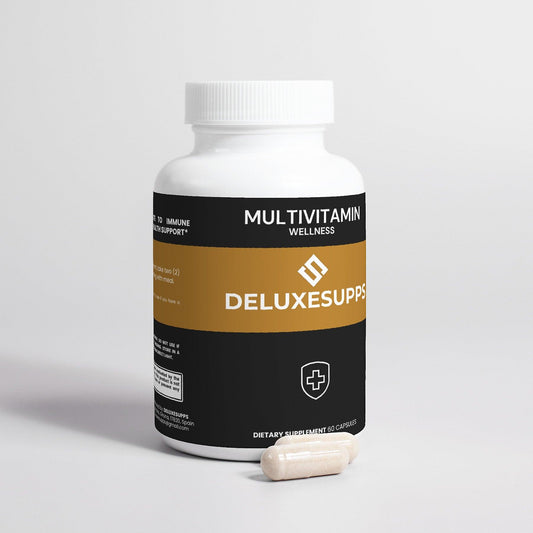
Plant-based protein powders derived from pea, rice, hemp, or blended sources provide concentrated protein convenient for smoothies, baking, and post-workout recovery. These products deliver 15 to 30 grams of protein per serving with minimal preparation. Quality varies significantly among brands, making thorough research essential. For comprehensive nutrition support, consider complementary supplements like complete multivitamins to address potential micronutrient gaps in plant-based diets.
Nutritional Advantages of Plant-Based Protein Options
Plant-based proteins deliver comprehensive nutritional profiles beyond amino acids. Legumes provide exceptional fiber content, supporting digestive health, blood sugar regulation, and sustained energy. Seeds and nuts contribute omega-3 fatty acids, vitamin E, magnesium, and selenium. Whole grains deliver B vitamins essential for energy metabolism and nervous system function. Many plant sources contain phytochemicals and antioxidants that combat oxidative stress and inflammation, supporting long-term health and disease prevention.
Research demonstrates that individuals consuming diverse plant-based proteins experience improved cardiovascular health, lower blood pressure, reduced cholesterol levels, and healthier body composition. These benefits arise from the synergistic effects of protein, fiber, vitamins, minerals, and phytonutrients working together to optimize physiological function. Additionally, plant-based diets generally result in lower environmental impact and reduced resource consumption compared to animal-based proteins, aligning nutrition with sustainability values.
Frequently Asked Questions
Do plant-based proteins provide sufficient amino acids for muscle building?
Yes, plant-based proteins can absolutely support muscle development when consumed in adequate quantities and combined strategically. Complete protein sources like soy, quinoa, hemp, and buckwheat contain all nine essential amino acids necessary for muscle protein synthesis. Incomplete proteins should be paired with complementary foods throughout the day to ensure adequate amino acid availability. Athletes consuming sufficient total protein calories from diverse plant sources consistently achieve excellent results in strength development and muscle hypertrophy.
How can I ensure I am consuming complete amino acid profiles on a plant-based diet?
Prioritize complete protein sources including soy products, quinoa, hemp seeds, buckwheat, and spirulina as meal foundations. For meals featuring incomplete proteins, combine legumes with whole grains, nuts with seeds, or beans with rice to create complete amino acid profiles. This combination strategy, known as protein complementation, ensures your body has access to all necessary amino acids for optimal protein synthesis. Over the course of a day, eating varied plant foods naturally provides complete amino acid coverage.
Which plant-based proteins are most convenient for busy individuals?
Tofu, tempeh, edamame, canned beans, instant oats, quinoa, and plant-based protein powders offer exceptional convenience for time-constrained individuals. These options require minimal preparation or cooking while delivering substantial protein quantities. Protein powders mixed with plant-based milk create quick smoothies, while canned legumes combine with frozen vegetables for rapid meals. Pre-cooked grain and protein combinations available commercially provide complete balanced nutrition requiring only reheating.
Are there any potential digestive concerns when transitioning to plant-based proteins?
Some individuals experience temporary digestive discomfort when significantly increasing plant protein consumption due to elevated fiber intake. This typically resolves within two to three weeks as the digestive system adapts. Gradual increases in intake, thorough chewing, adequate hydration, and spreading protein consumption throughout the day minimizes potential discomfort. Soaking and cooking legumes reduces oligosaccharides that cause gas and bloating. Individuals with persistent concerns should consult healthcare providers to rule out food sensitivities or medical conditions.
Closing Thoughts and Call to Action
Plant-based protein options have evolved into sophisticated, nutritionally complete dietary strategies suitable for virtually any health goal or lifestyle preference. From affordable dried legumes to convenient powders and ready-to-eat products, accessible options exist for every budget and schedule. Success requires understanding your nutritional needs, selecting quality sources, and maintaining consistent consumption patterns.
Begin your plant-based protein journey today by selecting one or two new sources to incorporate into your regular meals this week. Explore recipes, discover flavor combinations you enjoy, and gradually expand your dietary repertoire. For additional nutritional support, explore premium supplement collections designed to complement plant-based nutrition. Visit our contact page to discuss personalized supplementation strategies with our nutrition experts, and discover how optimized supplementation can enhance your plant-based lifestyle.
About the Author
Deluxesupps Deluxesupps is a nutrition and wellness specialist with extensive expertise in plant-based dietary strategies, supplementation science, and fitness nutrition. With years of experience helping individuals transition to sustainable, nutrient-dense eating patterns, Deluxesupps combines evidence-based research with practical dietary guidance. Their work emphasizes accessibility, long-term adherence, and comprehensive nutrition optimization for diverse populations and health objectives.
The content in this blog post is intended for general information purposes only. It should not be considered as professional, medical, or legal advice. For specific guidance related to your situation, please consult a qualified professional. The store does not assume responsibility for any decisions made based on this information.