




Updated: 2026-01-06
- Key Benefits of Choosing Verified Supplements
- How to Identify Quality Dietary Supplements
- Step 1 — Read the Label With Precision
- Step 2 — Confirm Independent Testing
- Step 3 — Assess Ingredient Forms and Synergy
- Step 4 — Check Dosage and Delivery Format
- Step 5 — Examine Sourcing and Sustainability
- Step 6 — Purchase From Trusted Channels
- Frequently Asked Questions
- Are premium-priced supplements always better?
- How do I read a third-party lab report?
- Can I combine multiple supplements safely?
- Summary
- About the Author
Consumers are increasingly selective about what they put in their bodies, and for good reason. To make informed choices about quality dietary supplements, it is vital to evaluate manufacturing standards, evidence-backed ingredients, and transparent labeling. The best products prioritize safety, purity, and consistency over flashy claims. You do not need to be a scientist to separate the solid from the superficial. A clear framework helps you review brand practices, independent testing, ingredient forms, and dosing logic. This article presents a structured method to evaluate supplement integrity so you can buy with confidence and monitor outcomes responsibly. The goal is to empower you to make decisions that are practical, defensible, and aligned with your personal goals.
Key Benefits of Choosing Verified Supplements
- Improved transparency: Credible brands share Certificates of Analysis from ISO 17025–accredited labs, list full ingredient quantities, and state known allergens.
- Manufacturing rigor: Facilities that follow current Good Manufacturing Practices and undergo routine audits help ensure batch-to-batch consistency and contaminant control.
- Ingredient integrity: Thoughtful formulations use bioavailable forms such as methylcobalamin for vitamin B12 or chelated minerals for better absorption.
- Responsible dosing: Products that match established reference intakes or evidence-based ranges support safe, purposeful use without excess.
- Reduced additives: Clean labels minimize artificial colors, unnecessary fillers, or potentially irritating excipients, supporting tolerability.
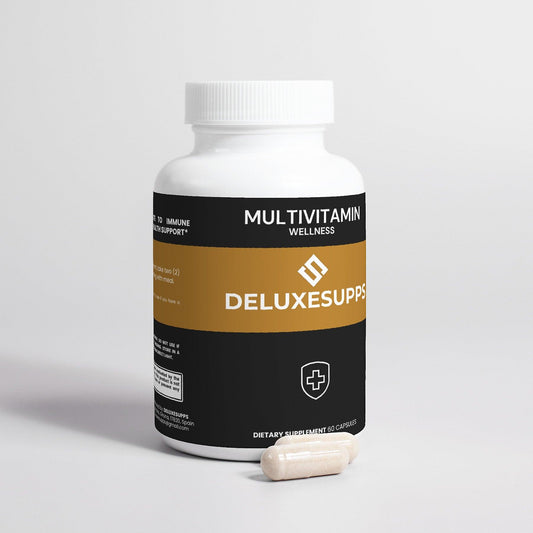
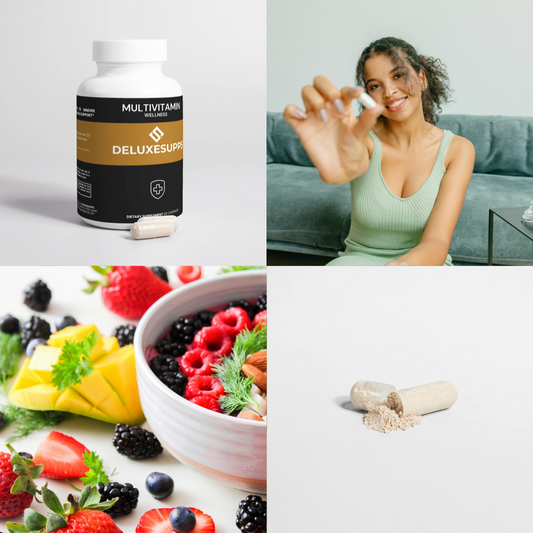
- Smart formulation design: Comprehensive blends can simplify routines; for example, a balanced multivitamin may cover common nutrient gaps, such as the Complete Multivitamin option.
How to Identify Quality Dietary Supplements
Step 1 — Read the Label With Precision
Start with the Supplement Facts panel and the full ingredient list. Verify active ingredients and their exact amounts, not just proprietary blends. Check serving size, suggested use, allergens, and storage instructions. Avoid products that hide major components behind vague blends without disclosing totals. Look for lot numbers and an expiration or best-by date, which indicate traceability and stability considerations. Clear contact information and batch identifiers are good signs of accountability. Labels should also note whether the product is vegan, gluten-free, or free from major allergens when relevant, and should disclose any common excipients.
Step 2 — Confirm Independent Testing
Third-party testing is central to trust. Seek documentation from independent, accredited laboratories that verify identity, potency, and purity. A robust test panel screens for heavy metals, microbial contamination, and adulterants. Certifications such as NSF or USP can indicate standardized processes and manufacturing discipline. Many credible brands provide a Certificate of Analysis by lot number. When available, verify that measured ingredient quantities align with the label and that contaminant levels fall within recognized safety thresholds. The ability to produce recent, relevant reports is a hallmark of a responsible supplier.
Step 3 — Assess Ingredient Forms and Synergy
Ingredient quality is not only about what is included, but also how it is delivered. Prefer well-studied forms that support bioavailability and tolerability. For example, look for chelated minerals, active vitamin forms, and standardized botanicals with specified marker compounds. Avoid unnecessary megadoses without a clear rationale. Consider complementary formulations that deliver purposeful combinations; for instance, a curated fungi blend such as the Mushroom Complex 10x may simplify a routine when used appropriately. Prioritize clarity over hype, and confirm that each component plays a distinct role within the formula.
Step 4 — Check Dosage and Delivery Format
Effective dosage depends on context. Confirm that serving sizes match evidence-based ranges where applicable and align with your dietary pattern. Delivery format matters too: capsules often reduce excipients, while tablets can pack more actives; powders suit flexible dosing; softgels help with certain fat-soluble compounds. Stability and compatibility are key. For example, sensitive nutrients may benefit from protective encapsulation or opaque packaging. A rational design balances potency with practicality, ensuring a regimen you can follow consistently.
Step 5 — Examine Sourcing and Sustainability
Trustworthy brands disclose origin, extraction methods, and standardization details for botanicals and specialty actives. Look for ethical sourcing, attention to biodiversity, and supplier audits. Marine, botanical, and bee-derived ingredients warrant particular scrutiny due to ecological considerations. Packaging also reflects quality. Recyclable materials, moisture control, and light protection can help preserve potency over the product lifecycle. Clear supply chain narratives and traceability signals indicate a manufacturer that invests in integrity beyond the label.
Step 6 — Purchase From Trusted Channels
Buy directly from the brand or recognized retailers to reduce the risk of mishandling or counterfeits. Use brand resources to vet products, compare options, and build a streamlined routine. Explore a curated range via the full catalog, or objectively weigh features side by side with the compare tool. If you prefer ready-made bundles or want to tailor your stack, consider guided options that align with your goals. Keep receipts, note lot numbers, and monitor how you feel over several weeks to assess fit and consistency.
Frequently Asked Questions
Are premium-priced supplements always better?
Not necessarily. Price often reflects raw material cost, testing rigor, and manufacturing controls, but it can also reflect branding. Focus on verifiable factors: third-party lab results, GMP compliance, bioavailable ingredient forms, and transparent dosing. Compare labels and verify that stated amounts match independent test data when available. A fairly priced product with clear documentation can outperform a more expensive option that lacks transparency. Value is the balance of quality proof, formulation logic, and consistency.
How do I read a third-party lab report?
Start with the batch or lot number to confirm it matches your bottle. Check identity tests (confirming the material is what it claims to be), potency results (actual amount versus label), and purity screenings (heavy metals, microbes, and adulterants). Confirm that detected levels sit within recognized safety limits and that methods are appropriate for the ingredient type. Reports from ISO 17025–accredited labs carry additional weight. If a brand cannot provide recent, lot-specific reports, proceed cautiously.
Can I combine multiple supplements safely?
Stacking can be useful, but it increases the chance of redundancy or excess. Review overlapping nutrients across products to avoid exceeding safe intake levels. Consider interactions between botanicals and nutrients, and the cumulative load of excipients such as caffeine or certain minerals. Keep your regimen simple and purposeful, and reassess periodically. When in doubt, seek guidance from a qualified professional who can review your diet, medications, and goals for potential conflicts.
Summary
Strong decisions come from clear standards. To evaluate quality dietary supplements, verify independent testing, inspect bioavailable ingredients, and confirm rational dosages. Favor transparent labels, robust manufacturing practices, and ethical sourcing. Purchase through reputable channels, record lot numbers, and track your response over time. Keep claims in perspective, choose simplicity over excess, and update your routine as your needs evolve. This careful approach helps you invest wisely and support your goals with confidence.
About the Author
Deluxesupps Deluxesupps specializes in evidence-informed product curation, quality assurance, and practical guidance for everyday supplement routines. Our team focuses on transparent labeling, responsible sourcing, and accessible education. We hope this guide helps you make clear, confident decisions for your wellness routine. Thank you for reading and for choosing thoughtful nutrition.
The content in this blog post is intended for general information purposes only. It should not be considered as professional, medical, or legal advice. For specific guidance related to your situation, please consult a qualified professional. The store does not assume responsibility for any decisions made based on this information.