










Updated on: 2025-12-06
This guide explains how to evaluate and use stress management supplements with confidence. You will learn how to read labels, understand common ingredients, and align choices with lifestyle habits. The article outlines quality checks, dosing principles, safety considerations, and practical steps for tracking results. It also shares a brief personal story and provides concise answers to common questions.
- 1. Introduction
- 2. Did You Know?
- 3. Choosing Wisely
- 4. Expert Tips
- 5. Personal Anecdote
- 6. Summary & Takeaways
- 7. Q&A Section
- 8. About the Author
Introduction Paragraph
The right nutritional strategies can help you feel more centered during busy seasons. Many people look to stress management supplements to complement sleep hygiene, movement, and balanced nutrition. This category includes botanicals and nutrients formulated to support calm focus and everyday resilience. The goal is not to chase quick fixes. It is to support your baseline so you can respond to daily pressures with clarity.
This article outlines how to evaluate ingredient profiles, dosing formats, and product quality. You will see how adaptogens, amino acids, and minerals differ in their roles. You will also learn how to integrate these choices into a consistent routine. Simple steps, like tracking sleep and energy, make it easier to judge whether a formula fits your needs.
Did You Know?
- Adaptogens such as ashwagandha and rhodiola are traditionally used to promote balance during occasional strain.
- L-theanine is valued for calm focus and is often paired with low or moderate caffeine.
- Magnesium glycinate is selected for evening routines because it is gentle and convenient for capsules.
- Mushroom blends may include reishi or lion’s mane to support clarity and day-to-day wellbeing.
- GABA and glycine appear in nighttime formulas designed for wind-down routines.
- Third-party testing and transparent label amounts are reliable signals of product quality.
What to Know About Stress Management Supplements
When assessing calming formulas, begin with the ingredient list. Look for clear, named extracts with standardization where appropriate. With botanicals, standardized extracts help ensure batch-to-batch consistency. For example, ashwagandha formulas may indicate a known percentage of withanolides. Amino acids, like L-theanine, should show the exact milligram content per serving. Minerals such as magnesium should specify the form, such as glycinate, citrate, or oxide.
Choose evidence-informed ingredients with straightforward dosing. Many people prefer single-ingredient options when first exploring a category. This approach makes it easier to understand your response before considering blends. A measured approach also reduces the likelihood of overlapping actives from multiple products.
Quality assurance matters. Select brands that communicate sourcing, identity testing, and contaminant screening. Packaging should protect from moisture and light. Labels should state serving size, full ingredient amounts, and any known allergens. If you prefer botanicals, consider starting with a well-known option like Ashwagandha. For those who favor fungi-based support, a broad-spectrum option such as Mushroom Complex can fit daytime routines.
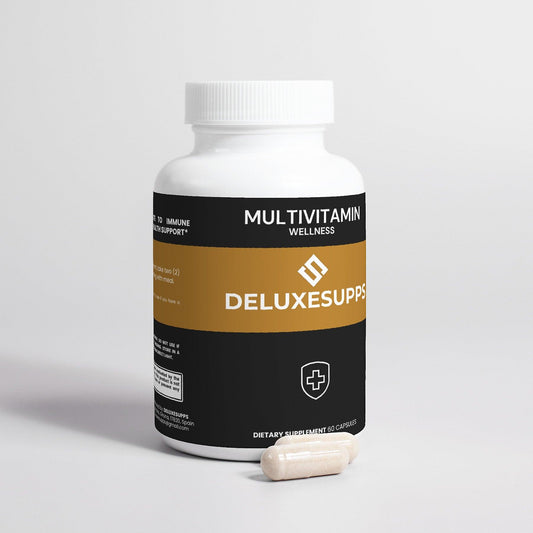
Context is essential. Supplements work best alongside steady habits. Aim for a regular sleep schedule, protein-rich meals, hydration, and light daily movement. Caffeine timing matters as well. If you use L-theanine with coffee or tea, consider reducing late-day caffeine to support evening relaxation. If nutrition feels inconsistent, a foundational option like a Complete Multivitamin may help cover daily baseline needs while you refine your diet.
Adjust gradually. Introduce one product at a time. Keep notes on timing, dose, and perceived effects over one to two weeks. If a product does not fit, taper off before trying another. This measured approach respects individual variability and simplifies decision-making.
Finally, align your plan with personal preferences. Some people like capsules for portability. Others prefer powders for custom serving sizes. Evening routines may favor magnesium glycinate or glycine. Daytime routines may favor adaptogens or L-theanine for clear-headed calm. Consistency and observation will guide you toward the formula that suits your daily rhythm.
Expert Tips
- Start low and assess. Increase slowly only if needed.
- Choose products with transparent milligram amounts per serving.
- Prioritize third-party testing and simple, clean labels.
- Match timing to goals: amino acids for daytime focus; minerals for evening wind-down.
- Avoid stacking multiple new products at once.
- Limit late-day caffeine to support natural evening relaxation.
- Track sleep, energy, and mood in a simple weekly log.
- Discuss new regimens with a qualified professional if you have health conditions or take medications.
Personal Anecdote
During a demanding project, my schedule compressed and evenings stretched longer than planned. I refined my routine rather than chasing quick fixes. First, I set a consistent bedtime and kept screens away from the bedroom. Second, I reduced late-afternoon caffeine. Finally, I introduced a single product at a time. A gentle magnesium glycinate in the evening helped anchor my wind-down ritual. On busy mornings, I used a modest amount of L-theanine alongside tea. The steady, small adjustments were more effective than dramatic changes. Over a few weeks, the routine felt natural, and I regained a sense of calm focus without overcomplicating my plan.
Summary & Takeaways
Balanced routines and thoughtful product selection can support daily composure. Here are clear actions to consider today:
- Define your goal: daytime calm focus or evening wind-down.
- Begin with one proven ingredient before exploring blends.
- Verify label amounts, forms, and third-party testing.
- Limit new variables and track your response for one to two weeks.
- Pair supplements with consistent sleep, nutrition, and movement.
Explore options and customize a simple plan with the Create Your Bundle tool for a streamlined start. This content is for educational purposes only and does not replace professional advice.
Q&A Section
What ingredients are commonly used for everyday calm?
Common choices include L-theanine for smooth focus, magnesium glycinate for evening routines, and amino acids such as glycine or GABA for wind-down support. Adaptogens like ashwagandha and rhodiola are valued for balance during busy periods. Reishi and lion’s mane appear in mushroom blends for daily clarity. Choose one category first, observe for a short period, and adjust only if needed.
How long does it take to notice changes?
Responses vary. Some people perceive a shift within days, especially with L-theanine. Others need a couple of weeks to assess adaptogens or mineral routines. Track your sleep, focus, and energy for at least 10 to 14 days before judging fit. If results feel unclear, pause, reassess habits, and consider a simpler formula or a different timing strategy.
Can I combine calming formulas with caffeine or vitamins?
Yes, but be deliberate. L-theanine pairs well with modest caffeine for focused calm. If you take a multivitamin or additional minerals, confirm that total daily intakes remain within reasonable limits. Avoid introducing many new products at once. For baseline nutritional coverage, consider a straightforward option like a daily Complete Multivitamin, then layer targeted support only if needed.
Who should be cautious before starting?
Individuals who are pregnant, nursing, managing a health condition, or using prescription medications should consult a qualified professional first. Those with known sensitivities to botanicals, amino acids, or minerals should review labels closely and start with very small amounts. If you experience discomfort, discontinue use and seek guidance. Keep all products out of reach of children and store them as directed.
About the Author
Deluxesupps Deluxesupps is a wellness content specialist focused on practical supplementation strategies. With expertise in ingredient profiles, label literacy, and routine design, the team helps readers make informed, simple choices. Thank you for reading, and please continue exploring options that support your daily balance.
The content in this blog post is intended for general information purposes only. It should not be considered as professional, medical, or legal advice. For specific guidance related to your situation, please consult a qualified professional. The store does not assume responsibility for any decisions made based on this information.