






Updated on: 2026-01-16
This comprehensive guide explores essential wellbeing practices for aging adults designed to promote physical health, mental clarity, and emotional resilience. Discover evidence-based strategies that support longevity, independence, and quality of life during the aging process. Learn how nutritional support, physical activity, cognitive engagement, and social connection work together to create a holistic approach to healthy aging. We provide actionable recommendations that integrate seamlessly into daily routines for sustained wellness outcomes.
Table of Contents
- Benefits and Reasons for Prioritizing Senior Health
- Nutritional Strategies Supporting Healthy Aging
- Physical Activity and Mobility Enhancement
- Cognitive Wellness and Mental Engagement
- Social Connection and Emotional Well-being
- Frequently Asked Questions
- Final Thoughts and Recommendations
- About the Author
Benefits and Reasons for Prioritizing Senior Health
Implementing comprehensive wellbeing practices for aging adults provides transformative benefits that extend far beyond basic health maintenance. When older individuals adopt proactive wellness strategies, they experience enhanced energy levels, improved cognitive function, and greater emotional stability. These positive outcomes create a foundation for maintaining independence and pursuing meaningful activities that bring fulfillment and purpose to later life stages.
Research demonstrates that adults who engage in structured wellness routines report significantly lower rates of chronic disease progression and age-related decline. By addressing health comprehensively—through nutrition, movement, mental stimulation, and social engagement—seniors can maintain functional capacity and reduce healthcare complications. This holistic approach to aging transforms how individuals experience their later years, shifting from a focus on limitations to celebrating capabilities and continued growth.
The psychological benefits prove equally important as physical improvements. Seniors who commit to intentional health practices develop greater confidence, resilience, and optimism about their future. This mindset shift reinforces positive behavioral patterns and creates momentum toward sustained wellness. Additionally, preventive health practices reduce emergency medical events and hospitalizations, allowing older adults to remain in their homes and communities longer while maintaining autonomy.
Nutritional Strategies Supporting Healthy Aging
Optimal nutrition represents a cornerstone of effective health management for aging populations. Dietary choices directly influence energy levels, cognitive performance, bone density, and immune function. Seniors require thoughtful nutritional planning because metabolic rates change with age, and certain nutrients become increasingly critical for maintaining physiological function and preventing deficiency-related complications.
Adequate protein consumption becomes paramount for preserving muscle mass and strength as adults age. Current research recommends that older individuals consume between 1.0 to 1.2 grams of protein per kilogram of body weight daily. Quality protein sources include lean meats, fish, eggs, legumes, and dairy products. Meeting these requirements helps maintain muscle tissue, supports immune function, and promotes stable blood sugar levels throughout the day.
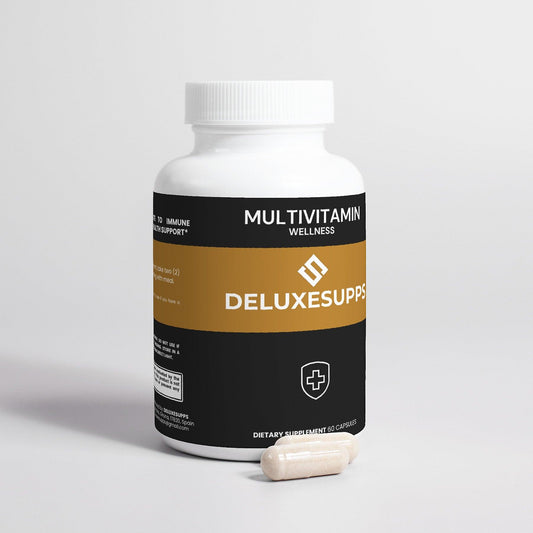
Micronutrient density deserves particular attention in senior nutrition planning. Vitamins B12, D, and folate often become depleted in aging populations, leading to energy decline and cognitive challenges. Calcium and magnesium support bone health and cardiovascular function. Antioxidant-rich foods including colorful vegetables, berries, and nuts help combat cellular aging and inflammation. Quality multivitamin supplementation can help fill nutritional gaps when dietary intake proves insufficient.
Hydration requires consistent attention but often receives inadequate focus. Thirst mechanisms weaken with age, making conscious fluid intake essential. Proper hydration supports cognitive function, joint mobility, digestion, and temperature regulation. Seniors should aim for eight to ten glasses of fluid daily, adjusting for individual health conditions and medications that may affect fluid needs.
Physical Activity and Mobility Enhancement
Regular movement represents one of the most powerful tools for maintaining vitality and independence throughout aging. Physical activity strengthens bones and muscles, improves cardiovascular health, enhances balance and coordination, and reduces fall risk—a critical concern for older populations. Seniors benefit from a balanced exercise approach incorporating aerobic activity, strength training, and flexibility work.
Aerobic exercise performed three to five days weekly supports heart health and stamina. Walking, swimming, cycling, and dancing provide excellent low-impact options suitable for various fitness levels. These activities should elevate heart rate moderately, allowing conversation but not singing during exertion. Starting gradually and building duration progressively prevents injury and builds sustainable habits.
Resistance training two to three times weekly preserves muscle mass and bone density while improving metabolic function. Bodyweight exercises, resistance bands, and light weights all provide effective options. Simple movements like wall push-ups, chair squats, and standing leg lifts build strength without requiring gym equipment. Progressive challenge as fitness improves yields continued benefits and prevents adaptation plateaus.
Flexibility and balance training reduce injury risk and support functional independence. Gentle yoga, tai chi, and stretching routines improve range of motion and proprioception. Balance exercises such as standing on one leg, heel-to-toe walking, and seated marching build stability and confidence. These practices also promote body awareness and mindfulness, contributing to overall well-being beyond physical improvements.
Cognitive Wellness and Mental Engagement
Mental stimulation remains equally important as physical activity for supporting healthy brain aging. Cognitive engagement activates neural pathways, builds cognitive reserve, and helps maintain mental sharpness. Seniors who regularly engage in learning, problem-solving, and creative pursuits demonstrate better memory function and reduced cognitive decline risk compared to sedentary peers.
Diverse mental activities provide optimal cognitive benefits. Learning new skills—whether languages, musical instruments, or technology—challenges the brain in unique ways. Reading, puzzles, games, and strategy activities stimulate different cognitive domains. Social interaction combined with mental challenge provides compounded benefits, as conversation requires simultaneous cognitive processing and emotional attunement.
Mindfulness and meditation practices support emotional regulation and stress management while enhancing cognitive function. Regular meditation improves attention span, reduces anxiety and depression symptoms, and promotes emotional resilience. Even ten to fifteen minutes daily produces measurable benefits. These practices pair effectively with herbal supplements designed to support stress management, creating a comprehensive approach to mental wellness.
Social Connection and Emotional Well-being
Social engagement profoundly influences physical and mental health outcomes for aging adults. Loneliness and social isolation increase mortality risk comparable to smoking and obesity. Conversely, meaningful relationships and regular social interaction strengthen immune function, reduce inflammation, and support emotional stability. Building and maintaining social connections becomes increasingly intentional with age but yields tremendous health dividends.
Seniors benefit from diverse social contexts including family gatherings, community groups, volunteer opportunities, and friendship networks. Senior centers, hobby clubs, faith communities, and educational programs provide structured social engagement. Technology enables connection with distant family and friends through video calls, messaging, and online communities. Volunteering offers particularly powerful benefits by combining social interaction with purpose and contribution.
Emotional well-being supports physical health through stress reduction and improved health behaviors. Processing emotions in healthy ways, maintaining optimism, and finding meaning and purpose all contribute to resilience. Seniors who experience purpose report better health outcomes and greater longevity. This might involve mentoring younger generations, pursuing creative expression, contributing to community, or deepening spiritual practices.
Frequently Asked Questions
What is the minimum amount of physical activity recommended for healthy aging?
Current guidelines recommend at least 150 minutes of moderate-intensity aerobic activity weekly, combined with strength training twice weekly. However, any movement exceeds sedentary behavior. Seniors should begin at their current fitness level and progress gradually. Consulting healthcare providers before starting new exercise programs ensures safety, particularly for those with existing health conditions. Consistency matters more than intensity, and adapted activities that accommodate limitations prove more sustainable than aggressive approaches.
How can aging adults improve sleep quality naturally?
Quality sleep depends on consistent sleep schedules, cool dark sleeping environments, and limiting screen exposure before bedtime. Regular physical activity and morning light exposure regulate circadian rhythms. Limiting caffeine after midday and avoiding large meals close to bedtime supports better sleep. Relaxation practices like gentle stretching or meditation prepare the mind and body for rest. If sleep difficulties persist despite these strategies, healthcare providers can evaluate underlying causes and recommend appropriate interventions.
What nutritional supplements benefit older adults most?
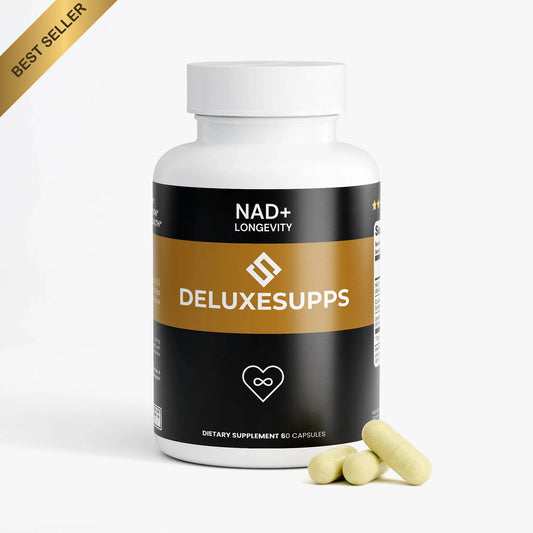
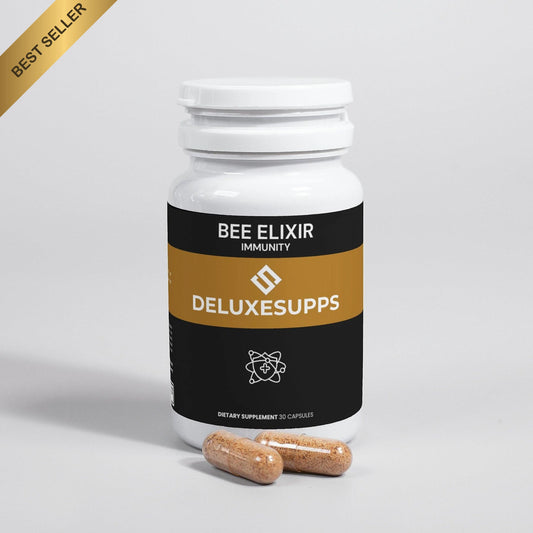
Individual supplement needs vary based on dietary patterns, health conditions, and medications. However, certain supplements commonly support healthy aging including vitamin D, vitamin B12, and calcium. Omega-3 fatty acids support heart and brain health. Quality NAD-supporting supplements may benefit cellular function, while mushroom complexes offer immune-supporting properties. Healthcare providers should review supplement regimens to ensure appropriate selection, adequate dosing, and prevention of interactions with medications.
Final Thoughts and Recommendations
Wellbeing practices for aging adults create profound positive impacts on health, independence, and quality of life. A comprehensive approach addressing nutrition, physical activity, cognitive engagement, and social connection yields greater benefits than any single strategy alone. Success requires viewing aging as an opportunity for continued growth rather than inevitable decline. This mindset shift empowers older adults to take active roles in shaping their health trajectories.
Begin implementation by selecting one or two practices that resonate most strongly. Building momentum with initial successes makes adding additional wellness strategies feel natural and sustainable. Small consistent actions compound over time, producing remarkable transformations in health markers, functional capacity, and subjective well-being. Remember that aging itself is not a disease requiring cure, but a natural process that responds beautifully to intentional, holistic care approaches.
Consider exploring our comprehensive wellness collection designed to support healthy aging. Quality supplementation paired with lifestyle optimization creates a synergistic approach to longevity and vitality. Your future self will thank you for the investments you make in your health today. Start your wellness journey now and discover the remarkable benefits of prioritizing comprehensive care.
About the Author
Deluxesupps Deluxesupps is a dedicated wellness expert specializing in nutritional science and healthy aging strategies. With extensive knowledge of supplement formulations, lifestyle optimization, and evidence-based health practices, Deluxesupps Deluxesupps helps clients transform their relationship with health and aging. Committed to empowering individuals through education and quality products, this author believes that thriving during later life stages is achievable through informed choices and comprehensive wellness approaches. Connect with Deluxesupps Deluxesupps for personalized guidance on optimizing your health journey.
The content in this blog post is intended for general information purposes only. It should not be considered as professional, medical, or legal advice. For specific guidance related to your situation, please consult a qualified professional. The store does not assume responsibility for any decisions made based on this information.