









Updated on: 2025-12-04
This article explains how to organize product data using the concept of an Array to improve navigation, merchandising, and conversion on a Shopify store. It outlines practical steps for shaping clean attributes, building consistent collections, and enabling accurate filters. It also highlights how strong data structure supports search, recommendations, and analytics. The guidance is platform-agnostic, easy to apply, and designed for durable, evergreen value.
Table of Contents
Clear product data is a competitive advantage. When items are organized into a consistent, structured list, shoppers find what they want faster and have less friction in the path to purchase. Clean attributes also make merchandising more efficient and reduce errors in bulk edits. This guide provides a systematic approach to structuring product information, using a simple, repeatable method that scales as your catalog grows. The approach covers naming conventions, attribute normalization, variant strategy, collection logic, and reporting alignment. It is designed for Shopify merchants who aim to build a strong foundation for filters, search, bundling, and analytics without complex tooling.
Array: Benefits & Reasons
A structured product list brings order to growth. When each item follows the same attribute pattern, your team can launch products faster, shoppers can filter with confidence, and reporting becomes more accurate. The benefits compound over time because clean data requires less rework as your catalog expands.
- Accuracy in navigation: Shoppers rely on consistent facets such as goal, format, size, and flavor. Standardized attributes prevent mismatched filters and reduce dead ends.
- Faster merchandising: Clear attribute values allow you to build rules-based collections that update automatically as new items meet the criteria. This reduces manual curation.
- Improved discoverability: Clean tags and fields increase the quality of on-site search and boost relevance in collection sort orders.
- Better cross-sell: When relationships between products are well defined, recommendations can promote complementary options naturally.
- Consistent content: Product pages look uniform when attributes map to the same layout, which builds trust and reduces confusion.
- Reliable analytics: Standard names and ranges ensure that dashboards, cohorts, and funnels measure categories the same way every time.
Start with a shared attribute model. Define a concise set of fields that every item should carry, such as goal, audience, active type, serving count, form, flavor, and bundle status. Write a short style guide with allowed values and exact spelling. Keep the list lean, and use drop-down style choices when possible to reduce typos.
Normalize values. For example, do not mix “60 caps,” “60 capsules,” and “60-capsule.” Pick one term and apply it catalog-wide. The same goes for flavors, sizes, and goal descriptors. If you change a value, update all applicable items to maintain uniformity.
Establish variant boundaries. Create variants only when the shopper expects them to live together on a single page, such as flavor, size, or color. Avoid mixing functionally different items as variants. This clarity supports accurate filtering and avoids false duplicates in search results.
Use precise tags or metafields to capture structured values, not just free-text labels. A regular system improves collection rules, boosts filtering accuracy, and enables programmatic merchandising. Consider an attribute matrix that maps each item to its standardized values. Keep this matrix stored in a spreadsheet or a simple PIM workflow that your team can maintain.
Align navigation with customer intent. Collections should map to how people shop, not only to internal categories. For example, create collections by goal (daily support, strength and performance, focus and clarity), by format (capsules, tablets, powders), and by regimen (single product, stack, bundle). Shoppers who prefer broad browsing can visit a comprehensive category like Shop all products, while focused customers can filter quickly within curated groups.
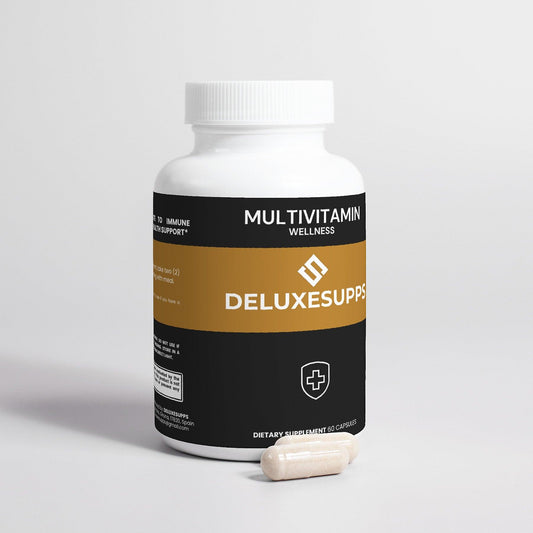
Ensure product families feel coherent. If you sell daily essentials, anchor them in a consistent structure and presentation so customers can easily compare options. For general daily support, a product such as Complete Multivitamin fits naturally within a “foundations” set. For energy and cellular support needs, many shoppers explore a targeted option like a high-quality NAD+ supplement. For stress and balance, an adaptogen such as Ashwagandha often appears in structured collections aimed at routine wellness. This consistent mapping helps browsing, comparison, and post-purchase clarity.
Maintain a change log for data updates. When values shift, note the date, fields edited, and reason. This record helps diagnose drops or spikes in search traffic or filter usage because you can connect changes to outcomes.
Design your product detail pages to reflect the same structure across the catalog. Position key facts in the same order: goal, what it is, primary ingredients or features, form and servings, how to use, storage guidance, and general notes. Keep sentences clear and concise to improve readability and reduce returns caused by confusion.
Plan for lifecycle management. Retire old tags, deprecated sizes, or legacy flavor names as you phase out or replace products. Audit collections quarterly to remove obsolete rules and ensure new items conform to the latest standards. Small governance steps keep your data clean and your on-site experience uniform.
FAQ
How should I standardize product attributes without breaking existing collections?
Use a phased approach. First, export your catalog and identify inconsistent values across critical fields. Create a single source of truth for allowed values and map legacy terms to the new standard. Update a small test group of products and review collection rules and filters to ensure they still capture the right items. Then roll out changes in batches, monitoring navigation, search queries, and conversion. Maintain a reversible change log so you can restore previous values if needed.
What is the best way to manage variants for clear browsing and filtering?
Group only close substitutes as variants, such as flavor or size within the same formula. Keep functionally different items as separate products. Use one primary attribute as the first variant axis to support clean swatches or selection controls. Ensure each variant has accurate images and consistent titles that share the same base name. Avoid duplicating near-identical products with separate listings if a single product page can host the differences cleanly. This method strengthens filtering and reduces confusion during comparison.
How can structured product data improve on-site search and recommendations?
Structured data gives search a reliable foundation. Standardized fields help the engine identify relevance, reduce mismatches, and present consistent snippets. Well-defined attributes also feed recommendation logic by clarifying relationships among items, such as complementary goals or formats. With accurate metadata, you can build rules that surface alternatives and companion products at key touchpoints. The result is more meaningful discovery, fewer null searches, and more guided shopping paths. Align these systems with your collection strategy for unified results.
Final Thoughts & Recommendations
Strong product structure compounds value across your store. It accelerates merchandising, smooths navigation, and improves the integrity of analytics. Most importantly, it gives customers a predictable, trustworthy experience. Begin with a lean attribute model, normalize values, clarify variant rules, and ensure your collections reflect how customers shop. Maintain a simple governance rhythm through audits and change logs so standards do not drift over time.
If you want a quick win, review your top 20 products and align their attributes, titles, and variant names today. Confirm that filters, collection rules, and search terms match your standard values. Then extend the same framework across the catalog. For streamlined browsing and discovery, ensure that foundational items and targeted options are easy to compare and understand within your primary collections. As your structure matures, you will see faster setup for future launches and a more coherent customer journey end to end.
About the Author
Deluxesupps Deluxesupps is a content strategist focused on ecommerce taxonomy, conversion UX, and product data governance. The team specializes in turning complex catalogs into simple, high-performing shopping experiences. Thank you for reading, and we hope these steps help you build a clearer store structure.
The content in this blog post is intended for general information purposes only. It should not be considered as professional, medical, or legal advice. For specific guidance related to your situation, please consult a qualified professional. The store does not assume responsibility for any decisions made based on this information.