





Updated on: 2025-12-02
Selecting the right stress management supplements can feel complex, especially with many formulas and overlapping claims. This guide simplifies the landscape with clear comparisons, a practical buyer’s checklist, and responsible usage tips. You will learn how to assess ingredient quality, set realistic expectations, and integrate nutrition with daily habits for better resilience. Use this as a structured reference before you add any new product to your routine.
- 1. Did You Know?
- 2. Comparison: Pros & Cons
- 3. Buyer’s Checklist for Stress Management Supplements
- 4. Final Thoughts & Advice
- 5. Q&A Section
- 6. About the Author
Effective daily stress support starts with clarity. The supplement marketplace is crowded, and labels often highlight buzzwords instead of substance. This article focuses on what matters: ingredient identity, dosage transparency, evidence-informed benefits, and product quality. You will find practical comparisons, a concise checklist for buying decisions, and guidance to align your choices with your goals. This resource does not replace personalized advice; it helps you ask better questions and choose with confidence.
Did You Know?
- Calm and clarity are multifactorial. Nutrition, sleep, movement, and mental skills training often work together more effectively than any single capsule.
- Ingredient form matters. For example, magnesium glycinate is commonly chosen for gentler gastrointestinal tolerance compared with some other forms.
- Label transparency is key. Proprietary blends can mask individual dosages, making it difficult to assess suitability.
- Consistency beats intensity. Supportive nutrients may require steady, daily use to align with your routine and goals.
- Quality control is not universal. Third‑party testing and Good Manufacturing Practice (GMP) standards indicate a stronger quality culture.
- Adaptogenic botanicals are often paired with amino acids or minerals to support a balanced response rather than an overstimulating effect.
- Stacking fewer, well‑matched ingredients reduces overlap and helps you observe what truly supports you.
Comparison: Pros & Cons
Adaptogenic Herbs
- Pros:
- Traditionally used to support resilience during busy periods.
- Often combined well with minerals and amino acids.
- Available in standardized extracts for consistent serving sizes.
- Cons:
- Quality varies; standardization and sourcing affect consistency.
- Effects can be subtle and gradual rather than immediate.
- Blends may obscure exact amounts of each herb.
Amino Acids and Minerals
- Pros:
- Common options like L‑theanine and magnesium have straightforward label dosing.
- Generally easy to combine with daily multinutrient support.
- Often perceived as non‑sedating and suitable for daytime use.
- Cons:
- Forms differ in absorption and tolerance.
- Some powders have a distinct taste and may require capsules.
- Stacking with multiple products can unintentionally increase dose.
Mushroom Complexes
- Pros:
- Multi‑species formulas are valued for broad wellness support.
- Fruiting body extracts with documented beta‑glucan content provide clearer expectations.
- Often combined with B‑vitamins or adaptogens in comprehensive blends.
- Cons:
- Hot water extracts and mycelium products differ in composition; labels should specify process and part used.
- Dose can be higher than a single capsule; check serving size.
- Flavor and smell may be noticeable in powders.
Broad Multinutrient Support
- Pros:
- Covers baseline micronutrient gaps that can affect energy and focus.
- Convenient foundation before adding targeted ingredients.
- Can simplify routines and reduce redundant single‑nutrient purchases.
- Cons:
- Not a substitute for balanced meals, hydration, and sleep hygiene.
- May exceed needs if combined with multiple fortified products.
- Large tablets may be harder to swallow; consider capsule options.
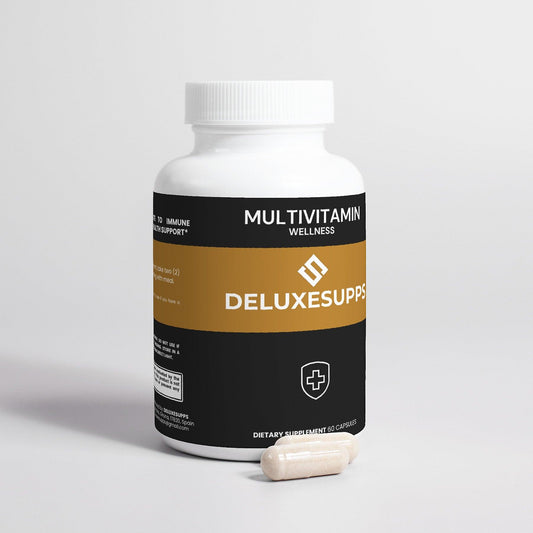
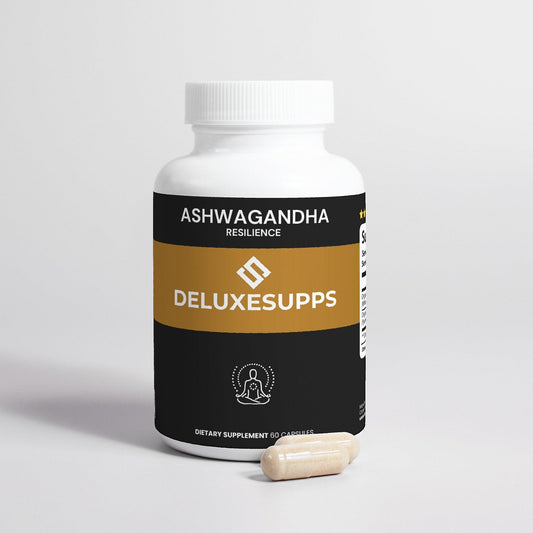
For targeted options, review formulation clarity and brand quality. For example, you may explore a focused herb like Ashwagandha, a multi‑species blend such as Mushroom Complex, or a foundational product like Complete Multivitamin. For routines that include mindset tools and daily practices, consider the resources in the Mindset Blog.
Buyer’s Checklist for Stress Management Supplements
- Clarify your goal. Decide whether you seek day‑time calm, evening wind‑down, general resilience, or foundational nutrition.
- Scan the Supplement Facts panel. Look for fully disclosed amounts, not only proprietary blend totals.
- Verify ingredient forms. Identify botanical species and extract ratios; check mineral chelates and amino acid types.
- Assess dose per serving. Confirm the number of capsules or tablets required to reach the labeled amount.
- Check third‑party testing. Independent verification and GMP adherence indicate stronger quality controls.
- Watch for overlap. If you use a multivitamin, adjust any additional minerals or B‑vitamins to avoid redundancy.
- Evaluate stimulant content. If sensitive, avoid added caffeine or strong energizers in evening products.
- Plan timing. Some ingredients fit morning focus, others better suit later routines; keep it consistent.
- Consider capsule and tablet size. If swallowing is difficult, seek smaller capsules or powder options.
- Start low and observe. Introduce one product at a time so you can evaluate your response.
- Record your baseline. Track sleep regularity, daily mood, and focus before and after changes.
- Mind interactions. If you take prescription medications or have health concerns, consult a qualified professional before use.
- Align with lifestyle. Reinforce with simple habits: regular meals, hydration, short walks, breath practice, and screen breaks.
Final Thoughts & Advice
Calm, clarity, and focus are built step by step. Supplements can support a steady routine when the formulation is transparent and the goal is realistic. Start with essentials, add one targeted product, and measure your response over several weeks. Choosing stress management supplements is personal; favor quality, simplicity, and consistency. For additional ideas, explore practical articles in the Mindset Blog and review foundational options such as Complete Multivitamin, focused botanicals like Ashwagandha, or broad wellness blends such as Mushroom Complex. This content is for educational purposes and does not replace personalized guidance.
Q&A Section
Which ingredients commonly support calm and focus?
Many individuals consider magnesium in well‑tolerated forms, L‑theanine for relaxed alertness, and adaptogenic herbs such as ashwagandha or rhodiola in standardized extracts. Some choose multi‑species mushrooms for broad wellness support. A balanced multinutrient can serve as a base, especially when daily intake is inconsistent. Select the fewest ingredients that match your specific goal, verify dosages, and add only as needed.
Can I combine different formulas safely?
Combining products requires careful label review. Avoid duplicating similar ingredients at high amounts across multiple items. If you already use a multivitamin, account for overlapping minerals or B‑vitamins before adding targeted products. Introduce one item at a time, maintain a simple log, and evaluate how you feel. If you use prescription medications or have specific health concerns, consult a qualified professional before changes.
How should I evaluate dose, form, and timing?
Begin with the manufacturer’s suggested use and confirm how many capsules or tablets equal one serving. Check ingredient forms, such as chelated minerals or standardized botanical extracts, for clarity on what you are taking. Align timing with your day: some ingredients suit morning or mid‑day focus, while others may be better in the evening. Keep the routine consistent for a fair evaluation, and adjust only one variable at a time.
About the Author
Deluxesupps Deluxesupps shares practical guidance on ingredient quality, label literacy, and supplement routines. Our team focuses on clear, responsible education that helps readers make informed choices. Thank you for reading, and we wish you steady progress with your wellness goals.
The content in this blog post is intended for general information purposes only. It should not be considered as professional, medical, or legal advice. For specific guidance related to your situation, please consult a qualified professional. The store does not assume responsibility for any decisions made based on this information.