










Updated on: 2025-12-08
This guide explains how to evaluate prenatal vitamins with clarity and confidence. You will learn what to look for on labels, how to interpret forms and amounts, and how to choose formats that fit your routine. We compare dedicated formulas with general multis and outline practical tolerability tips. A short product spotlight and an actionable checklist help you shop smarter while staying within professional advice.
Table of Contents
- Introduction Paragraph
- Choosing the right formula
- Product Spotlight
- Did You Know?
- Pros & Cons Analysis
- FAQ Section
- Conclusion & CTA
- About the Author Section
Introduction Paragraph
Preparation for a healthy pregnancy often includes a careful approach to daily micronutrients. A structured plan helps you cover common gaps in routine diets while keeping dosages within professional guidance. The right combination can support energy metabolism, cellular processes, and overall wellness throughout the preconception and pregnancy journey. This article outlines how to read labels, how to assess nutrient forms, and how to pick an option that fits your schedule without unnecessary excess. The goal is clarity, simplicity, and confident decision-making grounded in widely accepted nutrition principles.
Choosing Prenatal Vitamins: A Practical Guide
Begin with the label. Look for a comprehensive spread across B vitamins, vitamins A, C, D, E, K, and key minerals. Consider folate in a bioavailable form and an amount aligned with professional recommendations. Many consumers prefer methylated or active forms, while others tolerate standard forms well. The best choice is the one you take consistently and that matches individual guidance from your clinician.
Choline is a noteworthy nutrient in modern maternal formulas. It plays roles in cell membranes and methylation pathways and is often under-consumed in everyday diets. When present, it reduces the need to rely solely on food to reach typical intake targets. Iodine, when recommended, contributes to thyroid-related processes. Iron needs vary; some individuals may do best with gentle forms and split dosing to improve comfort. Vitamin D is common but amounts differ across products; coordination with your healthcare professional helps align intakes from food, sun exposure, and supplements.
Check the format. Capsules and tablets allow precise dosing and are often more concentrated, reducing added sugars. Gummies may be easier to take but usually contain fewer minerals and may require additional capsules to fill gaps. Look for products that disclose the form of each mineral (for example, citrate, glycinate, or sulfate) and the elemental amount, not just the compound weight.
Scrutinize extras. Herbal blends and specialty compounds can add complexity without clear benefit for every person. If you choose a formula that includes botanicals, ensure it matches professional advice and that the total daily intake remains conservative. For those with sensitive stomachs, consider split dosing, taking with a small snack, or using gentler mineral forms. Above all, avoid stacking multiple products with overlapping nutrients unless your clinician has reviewed the combined totals.
Product Spotlight
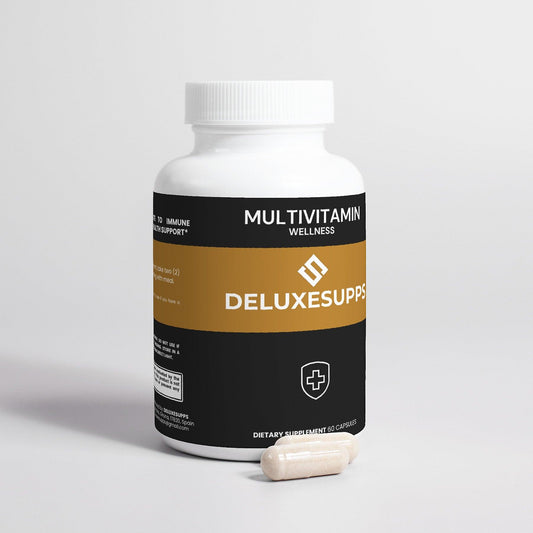
For customers seeking a straightforward daily baseline, the Deluxesupps Complete Multivitamin offers broad micronutrient coverage suitable for general wellness. While it is not formulated as a dedicated prenatal formula, it provides an organized foundation that some individuals may use before transitioning to a specialized maternal product under professional guidance.
- Balanced A–Z vitamin and mineral profile in capsule form for predictable dosing.
- Format designed for routine use, which can support consistency.
- No added complexity from extensive botanical blends.
- Useful as a bridge for those confirming personalized needs with a healthcare professional.
Explore the formula details here: Complete Multivitamin. To compare category features and formats side by side, see this resource: Compare formulas. Always confirm suitability with your clinician, especially for pregnancy or when using additional iron, iodine, vitamin D, or choline from separate products.
Did You Know?
- “Elemental” mineral amounts matter. A label may list a compound (for example, ferrous bisglycinate) but the elemental number tells you the actual dose.
- Gummies typically deliver fewer minerals than capsules. If you favor gummies for taste, you might need complementary capsules to reach target intakes.
- Folate appears on labels in several forms. Your clinician can help you choose a form and amount that fits your health profile and diet.
- Choline is present in eggs, fish, and some beans, yet many people do not meet common intake targets from food alone.
- Capsules can reduce excipients compared with some tablets or gummies, which some individuals prefer for a simpler ingredient deck.
- Staggering doses across morning and evening may improve comfort and adherence for sensitive stomachs.
Pros & Cons Analysis
- Dedicated maternal formula — Pros: Purpose-built nutrient ranges; often includes choline and iodine; clear daily plan; aligns well with clinician guidance.
- Dedicated maternal formula — Cons: May be multiple capsules daily; can feel complex; some include iron amounts that not everyone needs.
- General adult multivitamin — Pros: Simple; often once-daily; easy to pair with individual add-ons as advised.
- General adult multivitamin — Cons: May not include choline or adequate iodine; usually not tailored to pregnancy; requires careful add-on planning.
- Capsules — Pros: Precise dosing; fewer sweeteners; easy to split doses.
- Capsules — Cons: Some find swallowing difficult; may require multiple capsules to meet needs.
- Gummies — Pros: Pleasant taste; helpful for pill fatigue.
- Gummies — Cons: Lower mineral content; added sugars; may need extra capsules to complete the plan.
FAQ Section
When should I start a maternal supplement?
Many individuals begin during preconception to establish a steady intake pattern before pregnancy. This approach makes routine easier and allows time to adjust formats or timing for comfort. Discuss timing with your clinician, especially if you plan to add iron, iodine, vitamin D, or other single-ingredient products to customize your daily plan.
Which nutrient forms are gentler to take?
Some people find iron bisglycinate or iron gluconate more comfortable than harsher alternatives. Mineral glycinate or citrate forms may also be easier on the stomach than oxide forms. Split doses and taking with a small snack can further improve comfort. The most suitable option varies by individual tolerance and professional guidance.
Can a general multivitamin cover my needs?
A well-designed general multivitamin can offer a baseline of essential vitamins and minerals. However, it may not include choline, adequate iodine, or the folate amount that your clinician recommends for pregnancy. If you use a general multi, review the label for key nutrients and avoid overlapping totals when adding single-ingredient products.
Conclusion & CTA
The right plan balances completeness, tolerability, and simplicity. Start with label literacy, select formats you can take consistently, and confirm amounts with your clinician. To personalize your routine, explore curated options with this builder: Create Your Bundle. If you would like assistance choosing a product mix or interpreting labels, our team is ready to help: Contact. This article is educational and does not replace professional advice.
About the Author Section
Deluxesupps Deluxesupps is a specialist content team focused on nutrition education, labeling literacy, and evidence-informed supplement selection. Our editors review product categories to clarify formats, nutrient forms, and practical use. We translate complex topics into simple steps so you can shop with confidence. Thank you for reading.
The content in this blog post is intended for general information purposes only. It should not be considered as professional, medical, or legal advice. For specific guidance related to your situation, please consult a qualified professional. The store does not assume responsibility for any decisions made based on this information.