


Updated on: 2025-12-07
Reducing free sugars in daily routines can support a cleaner mouth, steadier energy, and a simpler path to consistent oral hygiene. This guide explains practical steps to limit hidden sweeteners, build reliable habits, and select products that align with low-sugar goals. You will find clear comparisons, a buyer’s checklist, and answers to common questions. Use these insights to refine your routine with confidence and minimal guesswork.
Table of Contents
- Introduction
- Sugar-free dental care tips that fit daily routines
- Did You Know?
- Comparison: Pros & Cons
- Buyer’s Checklist
- Final Thoughts & Advice
- Q&A Section
- About the Author
Introduction
Modern routines expose teeth to frequent sweeteners and acids. Adopting sugar-free dental care tips can simplify choices and reduce exposure to fermentable carbohydrates between brushes. This article focuses on practical, everyday actions. You will learn how to adjust meals and snacks, build strong brushing habits, and select supportive products. The guidance is straightforward, sustainable, and suitable for busy schedules.
Sugar-free dental care tips that fit daily routines
Removing excess sugar from your oral routine is a daily commitment. The most effective approach is simple, repeatable steps. Focus on hydration, label awareness, and timing. These actions help you manage residue on teeth while keeping your routine realistic.
Morning routine
- Start with water. Hydration supports saliva, which naturally rinses the mouth. Prefer plain water before coffee or tea.
- If you drink acidic beverages, wait a short period before brushing. This helps avoid brushing immediately after acid exposure.
- Select a breakfast with minimal added sugars. Plain yogurt, eggs, nuts, and whole grains keep residues lower than sweet pastries or syrups.
- Use a soft-bristled brush and a pea-sized amount of toothpaste. Gentle technique supports gum comfort.
- Check that your toothpaste does not include fermentable sugars. Many use non-cariogenic sweeteners for taste instead.
On-the-go habits
- Carry a refillable water bottle. Sip water after snacks to dilute residues.
- Choose sugar-free chewing gum after meals. Chewing stimulates saliva, which assists natural cleansing.
- Plan portable snacks that are not sticky. Fresh vegetables, nuts, and cheese leave less residue than soft candies or dried fruit blends.
- Keep a compact kit with floss or interdental picks. A quick clean prevents food from lingering between teeth.
- Use breath refreshers without added sugars. Look for products sweetened with xylitol or erythritol rather than table sugar.
Evening reset
- Floss before brushing. This clears debris so your toothpaste can contact tooth surfaces effectively.
- Brush gently for at least two minutes. Focus on small circular motions and even coverage.
- Consider an alcohol-free rinse as the final step. A milder formula can be comfortable for daily use.
- Avoid late-night snacking after your routine. This keeps the mouth clean until morning.
- Set out your kit for the next day. Preparation removes friction and supports consistency.
Did You Know?
- Many “energy” snacks rely on syrups or sticky fruits that cling to enamel longer than expected.
- Mouth breathing can dry the mouth, and a dry mouth may make dental plaque harder to manage.
- Sugar alcohols like xylitol are not fermentable in the same way as table sugar and can make products more tooth-friendly.
- Rinsing with plain water after coffee or citrus helps dilute acids before your next brushing.
- Hard, brittle candies dissolve slowly and can bathe teeth in sweetness for extended periods.
Comparison: Pros & Cons
-
Pros of low-sugar oral routines
- Simplifies snacking decisions and reduces exposure to sticky residues.
- Supports steadier energy, which can help you stick to brushing schedules.
- Encourages label reading and more mindful product choices.
- Often pairs well with balanced nutrition and hydration.
-
Cons or trade-offs
- Requires vigilance with labels and hidden sweeteners.
- May limit certain convenience foods.
- Initial habit change can feel restrictive until routines settle.
- Finding preferred flavors in sugar-free options can take time.
Buyer’s Checklist
- Ingredients: Favor products that avoid fermentable sugars. Non-cariogenic sweeteners such as xylitol or erythritol are common in tooth-friendly formulas.
- Abrasivity: Look for toothpaste with a moderate Relative Dentin Abrasivity rating to balance cleaning with comfort.
- Mouthwash profile: Alcohol-free and pH-considered formulations can be more comfortable for frequent use.
- Texture and residue: Choose items that do not leave sticky films. Fast-rinsing gels and lightweight rinses are convenient.
- Flavor and freshness: If taste supports routine adherence, you are more likely to use the product daily.
- Packaging: Travel-ready sizes encourage midday care and improve consistency.
- Whole-health support: Stable energy, stress control, and consistent sleep can make oral routines easier to maintain. Explore supportive resources such as Mindset insights for habit building.
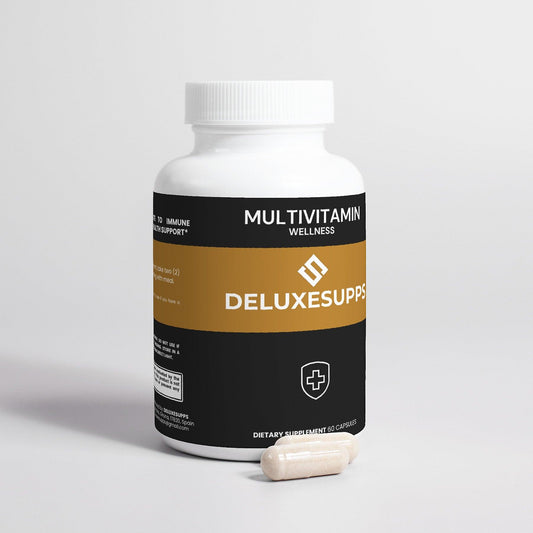
- Simple wellness staples: If you value a streamlined regimen, consider essentials that complement a balanced diet, such as a quality multivitamin like Complete Multivitamin. For those who prefer botanical blends, some choose options like Mushroom Complex to support general wellness routines. Select only what fits your needs and consult a professional if unsure.
- One-stop shopping: If you prefer fewer vendors, browse a curated selection via All products and compare labels carefully.
Final Thoughts & Advice
Effective oral hygiene is a system, not a single product. Small, repeatable steps create momentum. Hydrate, plan low-sugar snacks, and protect your evening routine. Use tools that you enjoy and will use daily. When in doubt, simplify your choices and return to fundamentals. With these practices and the sugar-free dental care tips outlined above, you can refine your habits and keep your routine sustainable.
Disclaimer: This content is for informational purposes only and does not substitute professional advice. Always follow guidance from a qualified dental professional for personal care decisions.
Q&A Section
Are sugar substitutes safe for teeth?
Many tooth-friendly products use non-cariogenic sweeteners such as xylitol or erythritol instead of table sugar. These ingredients add taste without providing fermentable sugars that oral bacteria readily use. Individual tolerance can vary, so start with small amounts if you are new to them. Review labels and choose products from reputable brands.
When should I brush after acidic drinks?
Acidic beverages can temporarily soften the outer tooth surface. Waiting a short period after consumption can help you brush more comfortably. Rinse with plain water first to dilute acids. Then brush gently with a soft-bristled brush.
Do I need mouthwash if I brush and floss?
Brushing and interdental cleaning are core steps. An alcohol-free mouthwash can be a helpful final rinse for freshness and convenience. Choose a formula that fits your preferences and does not irritate your mouth. Consistency matters more than the number of products you use.
About the Author
Deluxesupps Deluxesupps
Deluxesupps Deluxesupps creates practical, evidence-aware content on wellness routines, habit building, and product selection. Our focus is clarity, simplicity, and sustainable results. Thank you for reading, and we hope these insights help you refine your daily care with confidence.
The content in this blog post is intended for general information purposes only. It should not be considered as professional, medical, or legal advice. For specific guidance related to your situation, please consult a qualified professional. The store does not assume responsibility for any decisions made based on this information.