









Updated on: 2025-12-07
Expecting parents often seek clear guidance on nourishing both parent and baby. This article explains evidence-informed strategies to plan meals, choose supplements responsibly, and build sustainable routines. You will learn how to set practical nutrient priorities, organize grocery lists, and read labels with confidence. With a structured approach to prenatal nutrition support, you can reduce decision fatigue and stay consistent throughout each trimester.
- How-To Steps for Prenatal Nutrition Support
- Key Nutrients and Daily Targets
- Smart Meal Planning for Pregnancy
- Supplements and Safety Considerations
- FAQ
- Closing Thoughts
- About the Author
Nutrition during pregnancy benefits from structure, simplicity, and consistency. Instead of following restrictive rules, focus on steady habits that make healthy choices automatic. The goal is a balanced diet, sensible supplementation where appropriate, and mindful routines that fit your lifestyle. This guide outlines practical steps that align with current nutrition principles, so you can plan with clarity and shop with confidence.
How-To Steps for Prenatal Nutrition Support
- 1. Build a balanced plate. Aim for half non-starchy vegetables and fruit, one quarter lean protein, and one quarter whole grains or starchy vegetables. Add a source of healthy fat, such as olive oil, nuts, or avocado, to improve satiety and absorption of fat-soluble vitamins.
- 2. Prioritize protein distribution. Include a protein source at each meal and snack to support steady energy. Options include eggs, poultry, tofu, beans, yogurt, and fish that aligns with local guidance on mercury limits.
- 3. Choose fiber-rich carbohydrates. Prefer oats, quinoa, brown rice, whole-grain breads, beans, lentils, and fruit. These foods support digestive comfort and help maintain stable energy.
- 4. Plan hydration. Keep water available throughout the day. Herbal teas without caffeine and seltzer can add variety. Adjust intake according to your environment and individual needs.
- 5. Organize a weekly meal rhythm. Repeat simple breakfasts, pre-portion snacks, and rotate a few reliable dinners. A predictable plan reduces stress and improves adherence.
- 6. Set a supplement routine, if needed. If you and your healthcare professional agree on a multivitamin or specific nutrients, take them at the same time daily. Track tolerance and discuss any concerns promptly.
- 7. Shop with a shortlist. Build a core list of staples for the week, add seasonal produce, and include protein backups such as canned fish, beans, or frozen poultry for flexibility.
- 8. Monitor how you feel. Note energy, appetite patterns, and digestion. Use these observations to adjust meal timing, fiber sources, or portion sizes.
Key Nutrients and Daily Targets
Pregnancy increases the demand for several nutrients. While individual needs vary, the following essentials commonly deserve extra attention. Always discuss personal targets with a qualified professional.
- Folate and choline: These nutrients support normal growth and cellular processes. Foods such as leafy greens, beans, eggs, and fortified grains help cover needs. Many multivitamins include folate.
- Iron: Iron supports red blood cell production. Include lean red meat, poultry, beans, lentils, and fortified cereals. Pair plant sources with vitamin C sources (citrus, peppers, strawberries) to enhance absorption.
- Iodine: Iodine supports normal thyroid function. Sources include iodized salt, dairy, and seafood within safe intake limits.
- Vitamin D and calcium: These nutrients support bone health and overall wellness. Sources include dairy or fortified alternatives, small fish with bones, and safe sunlight exposure as appropriate.
- DHA and EPA: These omega-3 fatty acids occur in fish and algae-based products. Choose low-mercury fish according to guidance and consider algae-based options as needed.
- Magnesium and potassium: These minerals are found in beans, nuts, seeds, whole grains, potatoes, and bananas. They support normal nerve and muscle function.
- Protein: Requirements often increase during pregnancy. Include lean meat, dairy or fortified plant alternatives, legumes, soy foods, and nuts to distribute protein across the day.
- Fiber: Aim for a variety of fibers from legumes, whole grains, vegetables, fruit, and seeds. Adjust slowly and pair higher fiber intake with adequate fluids to maintain comfort.
Meeting these needs through foods first is a sound approach. When diet alone does not meet targets, supplements may help close gaps. Ingredient quality, appropriate dosing, and personal tolerance should guide selection.
Smart Meal Planning for Pregnancy
Effective planning streamlines healthy eating. Start with a simple weekly structure, then refine with your preferences and schedule.
- Breakfast framework: Combine protein, fiber, and healthy fat. Examples include Greek yogurt with berries and oats, eggs with whole-grain toast and spinach, or tofu scramble with vegetables and avocado.
- Lunch framework: Use the balanced plate method. Build grain bowls, hearty salads, or soups with legumes plus a side of fruit.
- Dinner framework: Choose a lean protein, add two vegetables (one starchy, one non-starchy), and include an oil or nuts for flavor and satiety.
- Snack rotation: Pair produce with protein (apple and peanut butter, carrots and hummus, cheese and whole-grain crackers) to maintain even energy.
- Batch and prep: Cook grains in bulk, roast a tray of mixed vegetables, and pre-portion proteins. Keep frozen fruit, vegetables, and seafood on hand for quick meals.
If you prefer ready-made structure, consider using a simple bundle approach for your core items. You can customize a routine using the Create Your Bundle tool to align pantry staples or supplements with your weekly plan.
Supplements and Safety Considerations
Some individuals choose a multivitamin or targeted nutrients when advised by a healthcare professional. When evaluating options, focus on transparency, reasonable doses, and third-party quality testing. Avoid megadoses unless instructed by your clinician.
- Label literacy: Review forms of nutrients (for example, folate forms or iron types) and serving sizes. Confirm that quantities align with guidance you have received.
- Quality checks: Select products from brands that share manufacturing standards. When possible, look for independent testing.
- Tolerance and timing: If iron or other nutrients affect comfort, ask your healthcare professional about timing with food or alternative forms.
- Interactions: Discuss all supplements and prescription medications with your clinician to reduce the risk of interactions.
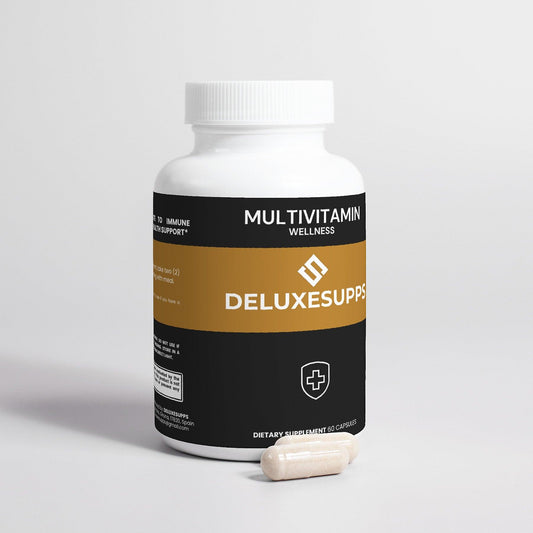
For a straightforward, once-daily option to discuss with your professional, review the formula details on the Complete Multivitamin page and compare across products using the Compare tool. If you need clarification on ingredients or usage, contact our team via the Contact page. For a streamlined shopping experience that matches your routine, try the Create Your Bundle option to keep essentials organized.
Disclaimer: This content is for informational purposes only and does not substitute professional medical advice. Always consult a qualified healthcare professional regarding personal nutrition and supplement decisions.
FAQ
How should I balance macronutrients during pregnancy?
A balanced approach works well. Emphasize protein at each meal, include fiber-rich carbohydrates for energy and digestive comfort, and add healthy fats to support satiety and absorption of fat-soluble vitamins. Distribute intake across the day to help maintain steady energy. Consider any personal recommendations from your clinician first.
Do I need a prenatal multivitamin if I eat well?
Many people meet most needs through a varied diet. However, some nutrients can be difficult to obtain consistently from food alone, depending on preferences, tolerance, and access. A multivitamin or targeted nutrients may be appropriate when advised by your healthcare professional. Review labels carefully and select products with clear dosing and quality standards.
Are omega-3s important during pregnancy?
Omega-3 fatty acids such as DHA and EPA are commonly included in pregnancy nutrition plans. Fish and algae-based options are typical sources. Choose varieties that align with guidance on mercury and discuss options with your clinician, especially if you have dietary restrictions or allergies.
Closing Thoughts
Healthy eating during pregnancy benefits from a calm, repeatable system. Focus on balanced plates, nutrient-dense staples, and sensible supplementation when appropriate. Keep your routine simple and sustainable, and seek professional guidance whenever you have questions or need adjustments. With a thoughtful plan and reliable resources, you can navigate each trimester with confidence.
About the Author
Deluxesupps Deluxesupps is a team of nutrition-focused product specialists dedicated to clear, practical guidance on pregnancy-friendly meal planning and supplement selection. Our content emphasizes label literacy, quality standards, and day-to-day strategies that fit real life. If you have questions, our team is ready to help. Thank you for reading, and take good care on your journey.
The content in this blog post is intended for general information purposes only. It should not be considered as professional, medical, or legal advice. For specific guidance related to your situation, please consult a qualified professional. The store does not assume responsibility for any decisions made based on this information.