





Updated on: 2025-12-11
This guide explains how to evaluate formulation, documentation, labeling, and quality controls to reduce risk in eyeshadow manufacturing and distribution. It details ingredient screening, batch testing, packaging checks, and consumer-facing practices that support safe, compliant launches. You will learn how to vet suppliers, verify pigments, and structure a practical compliance file. The article concludes with clear checklists and answers to common questions brand owners ask before scale-up.
- Introduction
- Product Spotlight
- Myths vs. Facts: private-label eyeshadow safety
- Frequently Asked Questions
- Final Recommendations
- Q&A Section
- About the Author Section
Consumers expect color cosmetics to be attractive, reliable, and gentle on skin. However, true confidence comes from rigorous process control, verified pigments, and transparent labeling. This article outlines a step-by-step approach to private-label eyeshadow safety, including supplier qualification, batch testing, packaging checks, and claims review. It balances formulation insights with operational discipline, so founders and product managers can bring palettes to market with a strong safety posture and a clear audit trail.
Product Spotlight
Consider a neutral-toned pressed-powder palette designed for daily wear. The formula uses mineral-based pigments with proven stability, a talc alternative for silky payoff, and a binder system optimized for smooth pick-up. What distinguishes this palette is not only its finish, but its quality assurance design: each pigment has a certificate of analysis (COA), allowable-use verification for the intended area, and traceable batch coding. Microbial controls are built into the process through dry-blend hygiene, controlled humidity, and cleanroom packing protocols.
Key product safeguards include:
- Ingredient screening: Every pigment and filler is validated for identity and purity. Heavy metal levels are reviewed against internal acceptance criteria appropriate for color cosmetics.
- Batch-level checks: Representative batches undergo microbiological testing suitable for low-water systems and spot heavy metal scanning. Out-of-spec lots are rejected.
- Packaging compatibility: Pans, adhesives, and cartons are assessed for migration risk, abrasion, and drop resistance. Labels use abrasion-resistant inks and include batch codes for traceability.
- Clear labeling: Ingredients appear in descending order with standardized color index names. Storage and usage guidance help consumers handle the palette properly.
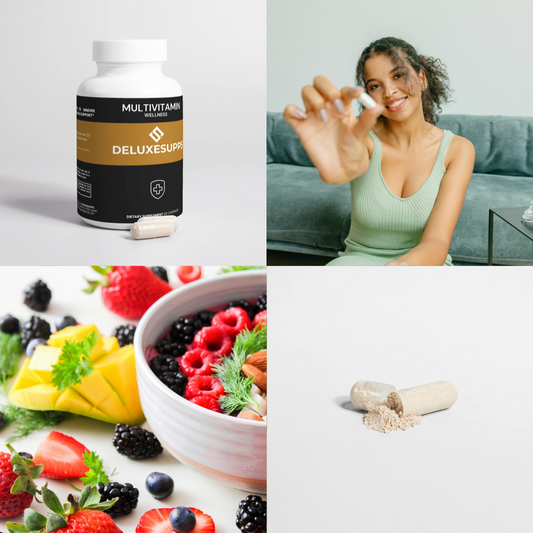
Transparency also matters after purchase. Demonstrating how you present ingredients and storage advice across categories can reinforce trust. For example, explore consistent label design on the Complete Multivitamin page or the Mushroom Complex page, where ingredient lists and directions are presented clearly and simply.
Myths vs. Facts: private-label eyeshadow safety
- Myth: Natural automatically means safer. Fact: Natural pigments can vary in purity and may contain trace metals. Verification and controlled sourcing are required for consistent quality.
- Myth: Vegan formulas are hypoallergenic. Fact: Vegan only indicates the absence of animal-derived inputs. Sensitization risk depends on the specific ingredients and their levels.
- Myth: “Made domestically” means compliant by default. Fact: Compliance depends on formulation, approved colorants for the intended area, documentation, and labeling—not geography.
- Myth: Preservative-free equals better. Fact: Pressed powders are low in water, but good manufacturing practices and hygiene remain essential. If any water-based components are used, preservative systems or alternative controls may be appropriate.
- Myth: All glitters and neons are eye-safe. Fact: Only pigments permitted for use near the eyes should be used in palettes marketed for that area. Always verify allowable use, particle size, and purity for the intended application.
Brand credibility grows when myths are addressed openly. Educate customers with concise care tips, patch-test advice, and ingredient transparency. For broader educational content strategy, see how an editorial approach supports clarity in the Suppspedia resource hub.
Frequently Asked Questions
How should I vet a pigment supplier?
Request COAs for each lot, safety data sheets, allowable-use statements for eye-area applications, and details on heavy metal limits. Evaluate change-control procedures and ask for traceability down to the mine or manufacturer for mineral pigments where practical.
Do pressed powders require microbial testing?
Yes. Low-water activity reduces risk, but it does not eliminate it. Implement routine bioburden tests and environmental monitoring of the production area. Confirm results remain within your acceptance criteria before release.
What is the role of stability testing?
Stability studies confirm that shade, payoff, odor, and pan integrity remain consistent through the product’s intended shelf life. Include accelerated and ambient conditions, transport simulation, and packaging abrasion tests.
Final Recommendations
Use a disciplined, documented workflow to control risk from formulation to shelf. The following actions help teams execute with consistency:
- Build a compliance file: formula, raw-material specs, COAs, safety data, pigment allowable-use confirmations, batch records, and stability/micro results.
- Implement good manufacturing practices: hygiene protocols, controlled environments, equipment cleaning verification, and training records.
- Verify labels: complete ingredient lists using standard naming, batch code, net quantity, usage guidance, and contact details for customer support.
- Screen every lot: quick checks on appearance, shade uniformity, pay-off, pan press consistency, and label legibility. Escalate to lab tests if anything deviates.
- Monitor in-market feedback: maintain a documented process for handling consumer questions and quality complaints, including trends analysis and corrective action.
Education builds loyalty. Provide simple care tips, shade-use guidance, and clear photography to reduce misuse. If you want to see how consistent formatting supports clarity across a catalog, browse the full collection and note how product details stay readable and structured. For private-label eyeshadow safety, reinforce your content with a brief patch-test note and storage advice to promote informed use.
Q&A Section
Which tests are most critical before first production?
Prioritize pigment identity and allowable-use verification for the eye area, heavy metal screening to internal limits, and microbiological tests suitable for low-water powders. Add stability studies, transport simulation, and packaging abrasion tests to ensure shade fidelity and pan integrity during distribution.
What documentation must be ready before launch?
Assemble raw-material specs, COAs, safety data sheets, formula records, manufacturing instructions, batch records, test results, and finalized artwork with ingredient lists and batch coding. Keep supplier qualification files and change-control agreements accessible for audits.
How should I respond to a consumer quality complaint?
Log the case with batch code, photos, and a clear description. Assess whether it suggests misuse, packaging damage, or a process deviation. If needed, quarantine related inventory, test retains, and execute corrective actions. Follow up with the customer with respectful, transparent communication.
Can I use the same glitter in lips and eyes?
Only if the glitter is permitted for both areas and meets particle-size guidance for the eye area. Verify allowable uses with the supplier and keep written confirmation on file.
What boosts consumer confidence post-purchase?
Clear ingredient lists, simple care instructions, and predictable batch quality. Consistency across your storefront also helps. See how straightforward layouts aid understanding in the collections view, where information is easy to scan.
About the Author Section
Deluxesupps Deluxesupps
Deluxesupps Deluxesupps writes about product quality systems, labeling clarity, and practical compliance for consumer goods. The team focuses on plain-language guidance that helps brands build trust. Thank you for reading, and feel free to explore more resources anytime.
The content in this blog post is intended for general information purposes only. It should not be considered as professional, medical, or legal advice. For specific guidance related to your situation, please consult a qualified professional. The store does not assume responsibility for any decisions made based on this information.