






Updated on: 2025-12-10
- Did You Know? Facts About male health supplements
- Comparison: Pros & Cons
- Buyer’s Checklist
- Final Thoughts & Advice
- Q&A Section
- About the Author Section
Choosing the right products in the crowded nutrition market can be challenging. If you are exploring male health supplements for energy, resilience, and daily wellness, it is essential to focus on quality standards, realistic expectations, and consistent use. This article clarifies how to read labels, weigh ingredient trade-offs, and align choices with your goals and lifestyle. It also offers a direct comparison of common categories and a checklist you can reference before purchasing. Use the insights below to select targeted formulas with confidence and to build a routine you can maintain.
Did You Know? Facts About male health supplements
- Label transparency matters. Look for products that list exact ingredient amounts rather than proprietary blends with hidden totals.
- Third-party testing supports quality. Independent verification can help confirm identity, purity, and absence of heavy metals or contaminants.
- Synergy is common. Zinc, magnesium, and vitamin D often appear together because they support complementary physiological roles.
- Forms influence absorption. For example, glycinate or citrate forms of minerals are typically gentle and well tolerated for many individuals.
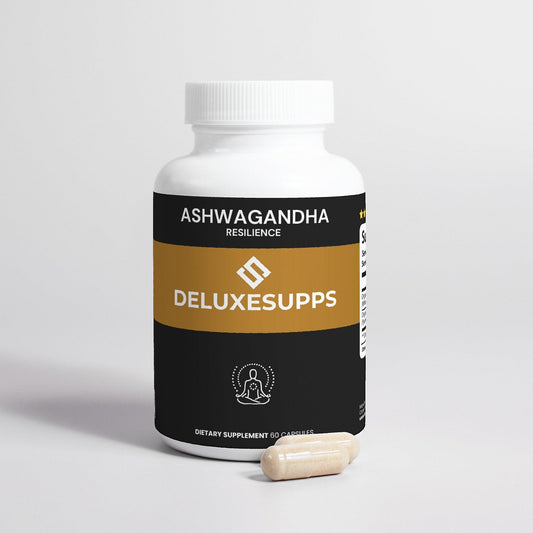
- Adaptogens are nuanced. Ashwagandha and similar herbs are used for stress support, but effects can vary by dose, extract type, and consistency.
- Amino and performance nutrients serve different aims. Creatine is often used for training performance, whereas a multivitamin targets general coverage.
- Consistency beats intensity. Moderate, daily intake aligned with your routine is usually more effective than irregular, high-dose cycles.
- Lifestyle is foundational. Sleep, balanced meals, hydration, and training quality magnify the benefits of a well-chosen supplement stack.
- Budget discipline helps. A focused core regimen often delivers more value than an oversized stack you cannot sustain.
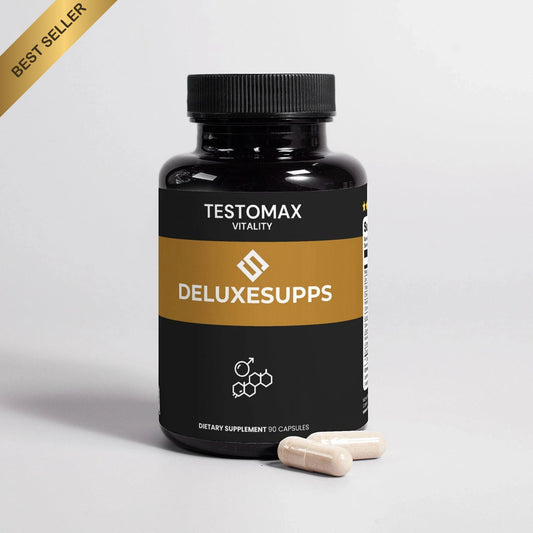
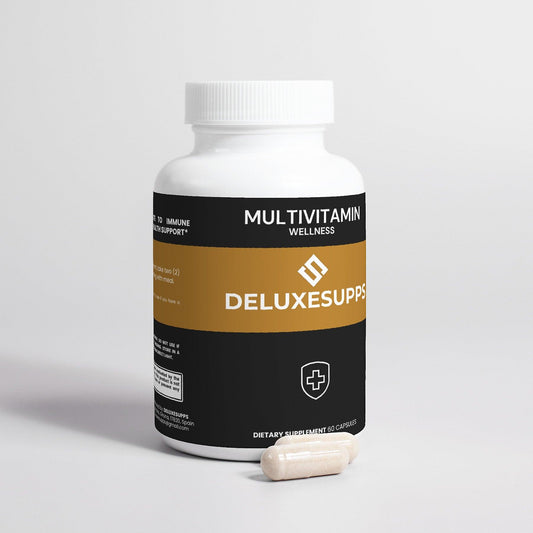
For a curated range of men’s wellness options, explore the collection and compare labels side by side. You can browse and evaluate ingredient profiles with these helpful pages: Shop all products, TestoMax, Complete Multivitamin, and Compare formulas.
Comparison: Pros & Cons
-
Multivitamins
- Pros: Broad nutrient coverage; convenient one- or two-capsule routine; helps fill gaps in typical diets.
- Cons: Not personalized to unique needs; quality and forms vary; should not be viewed as a meal replacement.
-
Minerals (e.g., zinc, magnesium)
- Pros: Targeted support for common shortfalls; gentle chelated forms can be well tolerated.
- Cons: Overlapping doses across products can lead to excess; best results often depend on timing with meals.
-
Adaptogens (e.g., ashwagandha)
- Pros: Popular for stress support and balance; standardized extracts offer predictable dosing.
- Cons: Individual responses vary; sourcing quality matters; some users prefer evening use due to calming effects.
-
Omega-3 and foundational fats
- Pros: Useful for dietary balance when fatty fish intake is low; often simple once-daily routines.
- Cons: Taste and capsule size can be barriers; always check oxidation control and freshness practices.
-
Performance aids (e.g., creatine, beta-alanine)
- Pros: Well-studied for training output when taken consistently; easy to stack with other basics.
- Cons: Goals must match the category; some cause tingling or water shifts; hydration becomes more important.
-
Herbal and specialty blends
- Pros: Designed for specific targets like energy, focus, or recovery; may combine vitamins, minerals, and botanicals.
- Cons: Complex labels can obscure per-ingredient amounts; monitor for duplication with your core stack.
Buyer’s Checklist
- Define one or two primary outcomes (for example, daily coverage, stress support, or training consistency) before you shop.
- Scan for exact ingredient amounts and avoid blends that hide key dosages behind generic totals.
- Favor products that note third-party testing or quality verification practices.
- Check forms of nutrients (chelated minerals, methylated B vitamins, standardized herbal extracts) for clarity and tolerability.
- Verify serving size and capsules per container to estimate monthly cost with accuracy.
- Cross-check your current regimen to avoid duplicate doses of zinc, vitamin D, or other common nutrients.
- Consider your routine. Choose capsules, tablets, or powders you can take at a consistent time each day.
- Review any gentle caution statements on labels and consult a professional if you have questions about interactions.
- Start with a focused core (for example, a multivitamin plus a single targeted formula) before expanding.
- Set a reminder to reevaluate in 30–60 days, tracking how you feel, adhere, and recover.
Final Thoughts & Advice
A smart regimen is simple, sustainable, and aligned with your goals. Build around a solid foundation such as a high-quality multivitamin, then add targeted support only where it makes sense. Keep expectations practical and focus on daily consistency rather than constant product rotation. Read labels carefully, compare serving sizes, and choose formulas that disclose exact doses and forms.
Pair your plan with fundamentals: balanced meals, movement, sleep, and hydration. These factors amplify any supplement routine and help you notice steady improvements in energy, training quality, and resilience. When you are ready to refine your stack, evaluate options side by side and keep a brief log of your routine and observations. If you are unsure about interactions or unique health considerations, seek personalized guidance before making changes.
Disclaimer: This content is educational and is not medical advice. Always consult a qualified professional about your individual needs before starting or changing any supplement routine.
Q&A Section
Which ingredients are commonly prioritized for men’s daily wellness?
Many individuals start with a comprehensive multivitamin to cover basic micronutrients. Minerals such as zinc and magnesium are frequent additions due to their roles in hundreds of physiological processes. Vitamin D is also commonly prioritized for those with limited sun exposure. For stress support, some consider standardized ashwagandha extracts. If training performance is a goal, creatine is often considered for its simplicity and strong evidence base on exercise output when taken regularly.
How can I judge dose, form, and timing for best practicality?
Begin with the label. Confirm the exact dose per serving and the number of servings per day. Look at forms—chelates for minerals, methylated B vitamins, and standardized herbal extracts can support predictable dosing. For timing, many users take minerals and multivitamins with food to improve tolerance. If a product is stimulating or calming, place it accordingly—morning for energizing blends, evening for calming support—while following label directions.
Can a multivitamin replace a balanced diet?
No. A multivitamin is a supplement, not a substitute. It helps fill gaps but does not provide the fiber, protein quality, or diverse phytonutrients that whole foods supply. You will gain better results when you treat supplements as tools within a broader routine that includes varied meals, hydration, and adequate sleep. This approach makes your regimen more effective and sustainable over time.
What is the smartest way to start and track progress?
Start small. Choose a quality multivitamin as your base, then add one targeted formula that matches your top goal. Maintain the routine daily for several weeks. Track simple markers such as energy through the day, training consistency, and sleep quality. Adjust one variable at a time so you can identify what helps. When you want to compare alternatives, review labels side by side and consider budget, serving size, and declared testing.
About the Author Section
Deluxesupps Deluxesupps
Deluxesupps Deluxesupps specializes in evidence-aware nutrition guidance, label transparency, and practical supplement routines that fit real life. Our focus is to help readers compare ingredients clearly and build sustainable regimens. Thank you for reading—wishing you clarity and confidence on your wellness journey.
The content in this blog post is intended for general information purposes only. It should not be considered as professional, medical, or legal advice. For specific guidance related to your situation, please consult a qualified professional. The store does not assume responsibility for any decisions made based on this information.