










Updated on: 2025-12-01
This article distills practical wellness strategies you can apply today, without complexity or extremes. You will learn how to align sleep, nutrition, movement, and stress management to build durable daily habits. It also clarifies common myths and explains how environment and routines influence outcomes. A concise Q&A and a friendly author bio close the guide.
- Introduction
- Myths vs. Facts
- Practical guidance for daily routines
- Personal Experience
- Final Thoughts & Takeaways
- Q&A Section
- About the Author Section
Introduction
Effective healthy living tips focus on small, reliable actions. A sustainable plan starts with the basics: sleep, nutrition, movement, and stress regulation. These fundamentals reinforce one another. When you sleep better, you move more. When you move more, you tend to eat with intention. When you reduce stress, your choices become clearer. This guide explains how to align those levers in a simple, repeatable way. It also addresses common myths that can distract your progress and offers a realistic framework that adapts to busy routines. You will leave with clear steps, practical tools, and an approach that rewards consistency over intensity.
Myths vs. Facts
Confusion thrives when advice is extreme. The following points distinguish common misconceptions from practical truths.
- Myth: Success requires perfect discipline. Fact: Consistency with modest actions beats occasional intensity.
- Myth: Carbs or fats are the problem. Fact: Overeating and low nutrient density matter more than a single macronutrient.
- Myth: Only long workouts count. Fact: Short, frequent activity accumulates meaningful benefits over time.
- Myth: Late-night productivity has no cost. Fact: Disrupted sleep undermines energy, appetite control, and motivation.
- Myth: More supplements equal better results. Fact: Food quality, sleep, and movement remain the foundation.
- Myth: Change must be complicated. Fact: Simple checklists and small habit loops are more reliable.
Practical healthy living tips that fit real life
Use the sections below to build a plan that fits your schedule. Start small, track progress, and scale only when a habit feels stable.
Sleep and recovery
Set a consistent wake time and build your evening around it. A dark, cool, quiet room supports deeper rest. Dim screens and bright lights at night to help your body wind down. In the morning, expose yourself to natural light to reinforce your daily rhythm. Limit heavy meals and intense exercise right before bed. Treat naps as a tool, not a crutch: brief and early if used.
Balanced nutrition
Anchor meals with a source of protein, colorful produce, and a modest portion of quality carbs or fats. This pattern improves satiety and makes portions easier to manage. Pre-plan two to three reliable breakfast or lunch options to reduce decision fatigue. Drink water throughout the day, and keep a bottle within reach. When eating out, choose a lean protein, add vegetables first, and size the starch to your hunger.
Movement and mobility
Accumulate activity in short blocks. Aim for regular walks, brief mobility sessions, and two to three bouts of strength-focused work per week. Use a standing or walking interval during calls. Keep simple tools nearby, such as a resistance band. Track steps or active minutes to build awareness. Gentle stretching at day’s end can help you transition to rest.
Stress regulation
Stress is part of life; the response is trainable. Use slow, steady breathing to calm the body during transitions. Schedule short breaks between demanding tasks to reset attention. Write a quick priorities list in the morning to reduce mental clutter. Learn to pause before reacting to notifications or requests. Protect one block of quiet time each day to think or reflect.
Environment and digital hygiene
Design your spaces to make good choices easy. Keep water visible, fruit on the counter, and prepped ingredients at eye level in the fridge. Place resistance bands or a mat where you see them. On the digital side, set app limits and turn off nonessential alerts. Park your phone away from the bed. Small environmental nudges create automatic wins.
Responsible supplementation
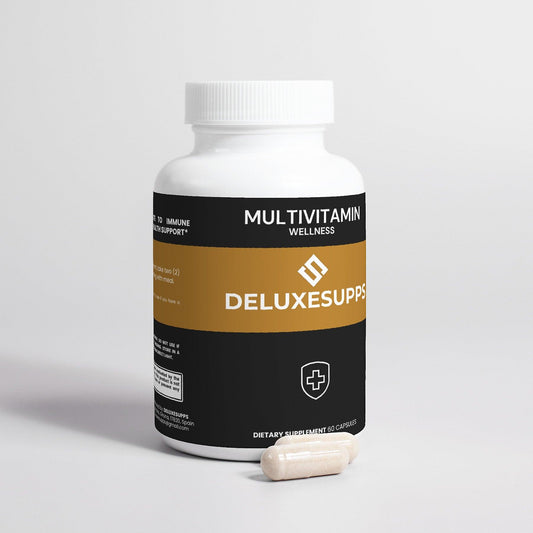
Food, sleep, movement, and stress care are the foundation. If you explore supplements, keep it simple and consistent with your goals. A quality multivitamin can help cover general gaps; review the label and serving size carefully. Consider options like a balanced Multivitamin, adaptogen basics such as Ashwagandha, and evaluate whether they fit your routine. To browse curated choices, see Shop all. This content is for general information only and does not replace personalized guidance.
Habit design and tracking
Make one change at a time. Connect new actions to an existing routine, such as stretching after you make coffee. Reduce friction: lay out shoes the night before or prep tomorrow’s lunch while cleaning up dinner. Use a simple checklist to track completion, not perfection. Review each week and celebrate small wins. When a habit feels automatic, add the next one.
Personal Experience
When I coached busy professionals, the turning point was simplifying goals. We replaced vague targets with a clear checklist: lights dimmed at night, a short morning walk, a protein-forward lunch, and a five-minute review in the evening. Progress accelerated because the plan fit their calendars. They did not need more motivation; they needed fewer decisions. The result was steadier energy, better focus, and momentum that lasted. Real change came from consistency, not complexity, and from building an environment that made good choices default.
Final Thoughts & Takeaways
Long-term success grows from small daily actions. Focus on sleep, food quality, movement you enjoy, and a calm mind. Use simple tools, friendly reminders, and a weekly review to keep momentum. For more mindset support, visit our Mindset blog. Put these healthy living tips into action today and let consistency do the heavy lifting.
- Build routines around a fixed wake time.
- Eat simply: protein, produce, and smart portions.
- Move daily in short blocks; lift a few times each week.
- Design your space to make the best choice obvious.
- Track actions, review weekly, and adjust gently.
Q&A Section
How much exercise is enough for general wellness?
Short daily movement adds up. A practical pattern is to walk most days, include brief mobility, and add two to three strength-focused sessions weekly. The exact mix depends on your baseline and schedule. Focus on consistency and gradual progression. If time is tight, stack movement into transitions, such as a 10-minute walk after meals or bodyweight work during breaks.
What is a simple way to improve nutrition without counting calories?
Use a plate method. Fill half with vegetables or fruit, one quarter with a protein source, and the remaining quarter with whole grains or healthy fats. This visual cue controls portions without math. Plan two reliable meal templates you enjoy and repeat them on busy days. Keep water accessible and add a piece of fruit to snacks for extra fiber.
Are supplements necessary for a balanced routine?
They are optional tools. Most progress comes from food quality, regular sleep, movement, and stress care. If you choose to use supplements, select a small number that aligns with your goals, review labels, and be consistent. Consider discussing your plan with a qualified professional if you have questions or specific needs. Start with the basics and expand only if helpful.
About the Author Section
Deluxesupps Deluxesupps
Deluxesupps Deluxesupps writes about practical wellness, habit design, and balanced routines for busy people. With a focus on clarity and evidence-informed practice, the content prioritizes simple actions that scale. Thanks for reading, and here is to steady progress each day.
The content in this blog post is intended for general information purposes only. It should not be considered as professional, medical, or legal advice. For specific guidance related to your situation, please consult a qualified professional. The store does not assume responsibility for any decisions made based on this information.